

 Sushma Prajwal
 Mokshada Ekadashi is a revered observance in Hinduism, celebrated with fervor and devotion. This sacred day, occurring on the eleventh lunar day (Ekadashi) of the Shukla Paksha (waxing phase of the moon) in the Hindu month of Margashirsha (November-December), holds profound spiritual and religious significance.
Historical Background
The term “Mokshada” translates to “bestower of liberation (Moksha),” and this Ekadashi is believed to grant freedom from the cycle of rebirths. Its history is intertwined with the rich tapestry of Hindu mythology and scriptures. According to the Vishnu Purana, once there was a virtuous king named Vaikhanasa who ruled in the city of Champaka Nagara. Despite his just governance, he was troubled by a recurring dream that revealed his father suffering in the afterlife due to past misdeeds.
Distressed, the king sought the counsel of learned sages, who advised him to observe the Mokshada Ekadashi fast and offer prayers to Lord Vishnu. Following their guidance, King Vaikhanasa observed the fast with utmost devotion, and through his penance, he was able to liberate his father’s soul. This narrative emphasizes the power of Mokshada Ekadashi in achieving spiritual liberation and atonement.
Importance in the Hindu Community
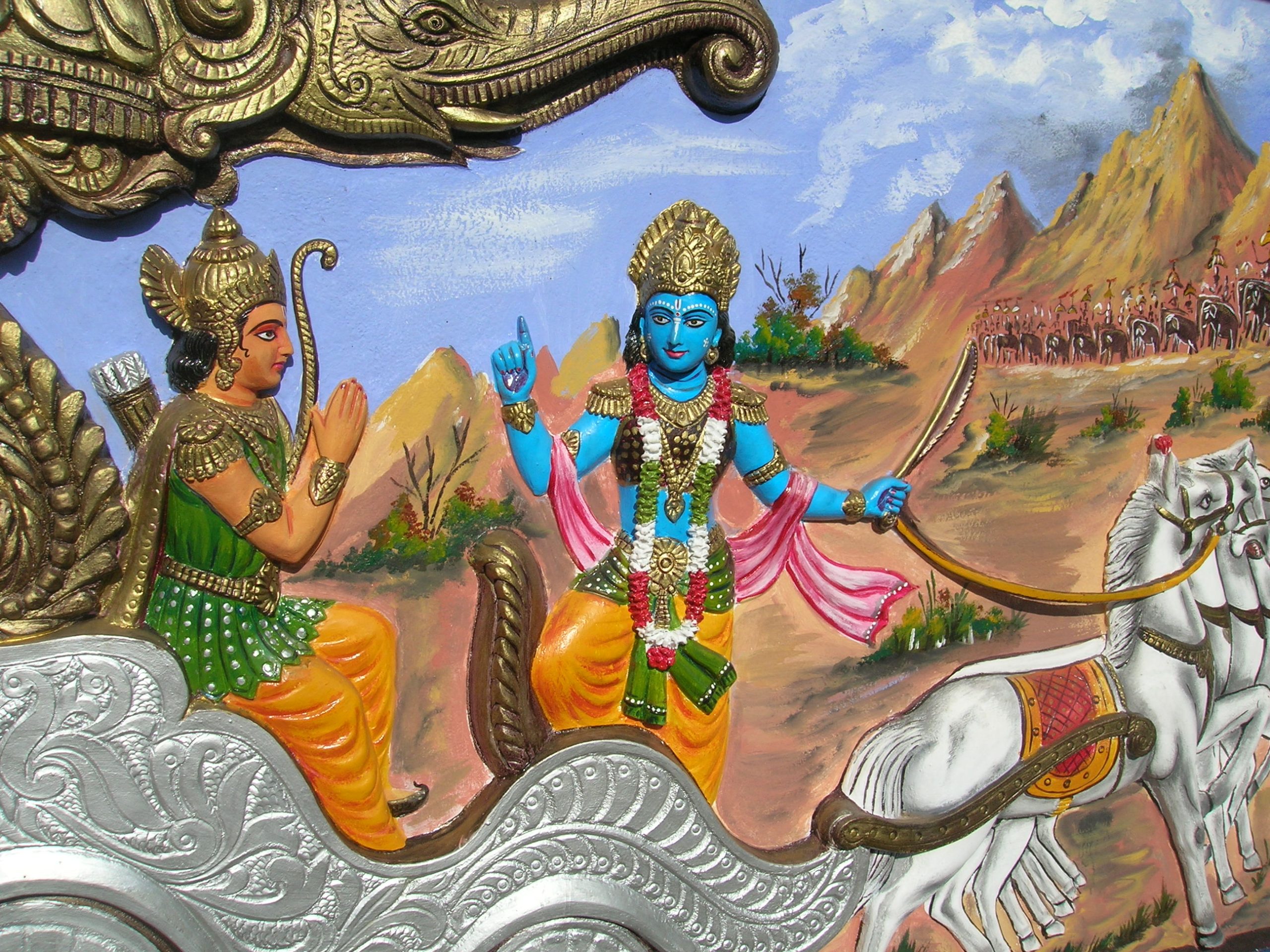
Mokshada Ekadashi is revered for its ability to cleanse one’s soul and help attain Moksha. Devotees believe that observing the fast on this day brings immense spiritual benefits, including the nullification of past sins and the attainment of divine blessings. It is also associated with Gita Jayanti, the day when Lord Krishna is said to have imparted the sacred teachings of the Bhagavad Gita to Arjuna on the battlefield of Kurukshetra.
The rituals involve a day-long fast, starting from sunrise and ending the next morning. Devotees abstain from grains, pulses, and certain vegetables, consuming only fruits, milk, and non-cereal foods. The day is spent in prayer, chanting hymns, and reading sacred texts, particularly the Bhagavad Gita. Temples dedicated to Lord Vishnu and Krishna see large congregations, where special prayers and discourses are held to commemorate the day.
Relevance in Today’s World
In the modern world, the spiritual essence of Mokshada Ekadashi remains profoundly relevant. As people navigate the complexities of contemporary life, the teachings associated with this Ekadashi offer solace and guidance. The practice of fasting and introspection encourages individuals to reflect on their actions, seek forgiveness, and strive for a life of virtue and righteousness.
Furthermore, the observance of Mokshada Ekadashi fosters a sense of community and shared faith. It provides an opportunity for families and communities to come together, reinforcing bonds through shared rituals and collective worship.