Eleanor Thompson
 By NZB News International Desk
Introduction: Celebrating India’s Social Reformers
Every year, India’s Padma Awards shine a light on individuals whose work has transformed lives and inspired change across the nation. In 2025, as the country marked its 76th Republic Day, the Padma Awards once again celebrated a diverse group of visionaries, activists, and community leaders-many of whom have dedicated their lives to social reform. Their stories are a testament to the power of individual action, collective effort, and the enduring pursuit of justice, equality, and dignity for all.
This article explores the Padma Award 2025 recipients recognised for their outstanding contributions to social reform. We delve into their backgrounds, the impact of their work, and the broader significance of honouring social reformers in today’s India.
The Padma Awards: A Brief Overview
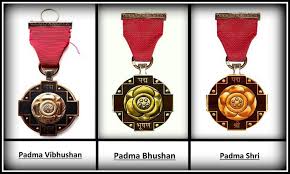
The Padma Awards are among India’s highest civilian honours, conferred annually in three categories:
- Padma Vibhushan: For exceptional and distinguished service.
- Padma Bhushan: For distinguished service of a higher order.
- Padma Shri: For distinguished service in any field.
The awards recognise achievements across a wide spectrum: art, literature, science, public affairs, social work, medicine, trade, industry, and more. In 2025, 139 Padma Awards were announced, including 7 Padma Vibhushan, 19 Padma Bhushan, and 113 Padma Shri awards. Notably, 23 honourees were women, 10 were from the Indian diaspora or foreign nationals, and 13 were posthumous awards.
Social Reform: The Heart of the 2025 Padma Awards
Why Social Reform Matters
Social reformers challenge the status quo, uplift the marginalised, and foster inclusive progress. Their work often addresses deep-rooted issues-gender inequality, caste discrimination, illiteracy, poverty, health disparities, and environmental injustice. By recognising such individuals, the Padma Awards not only honour their personal achievements but also signal the nation’s commitment to building a fairer, more compassionate society.
Key Recipients in Social Reform, 2025
Bheru Singh Chouhan: Folk Art as a Vehicle for Change
Bheru Singh Chouhan, awarded the Padma Shri in Art, has spent over 50 years using folk music and storytelling to promote social awareness in Malwa, Madhya Pradesh. Through performances that weave together the tales of legendary saints and contemporary issues, Chouhan has championed social equality, women’s education, and girl child empowerment. His art has become a powerful tool for spreading awareness about social reforms among rural communities, making him a cultural icon and a grassroots change-maker.

Libia Lobo Sardesai: The Voice of Goa’s Liberation
At 100 years old, Libia Lobo Sardesai stands as a living legend. Honoured with the Padma Shri for Social Work, she was the underground voice of Goa’s liberation struggle. Through decades of activism, she has advocated for the rights of women, the poor, and the oppressed. Her life’s work exemplifies the courage and resilience required to drive social change, especially in the face of adversity.

Radha Bahin Bhatt: Community Empowerment in Uttarakhand
Radha Bahin Bhatt received the Padma Shri for her lifelong commitment to social work in Uttarakhand. Her initiatives have empowered women, promoted education, and fostered rural development. Bhatt’s leadership in self-help groups and community-based organisations has enabled thousands to break the cycle of poverty and exclusion.

Suresh Harilal Soni: Social Work in Gujarat
Recognised with the Padma Shri, Suresh Harilal Soni’s work in Gujarat has touched countless lives. Through grassroots mobilisation, he has advanced education, health, and social justice for marginalised communities. His efforts have strengthened local governance and built bridges across divides of caste and class.

Jumde Yomgam Gamlin: Social Work in Arunachal Pradesh
Jumde Yomgam Gamlin was honoured with the Padma Shri for his social work in Arunachal Pradesh. His dedication to tribal welfare, education, and sustainable development has brought transformative change to remote communities, ensuring that progress reaches even the most isolated corners of India.

Vinayak Lohani: Uplifting the Underprivileged in West Bengal
Vinayak Lohani, also a Padma Shri awardee, has been recognised for his work in West Bengal. He founded Parivaar, an organisation that provides shelter, education, and care for orphans and vulnerable children. Lohani’s vision has given thousands of children a chance at a brighter future, breaking the cycle of deprivation and neglect.

Other Notable Social Reformers Recognised in 2025
- Chaitram Deochand Pawar (Maharashtra): Awarded the Padma Shri for Social Work, Pawar’s efforts in rural development and water conservation have empowered farmers and improved livelihoods.
These honourees represent the diversity of India’s social reform movement-spanning geography, language, and cause, but united by a commitment to service.
The Broader Impact: Social Reform in Modern India
Grassroots Change and National Progress
The stories of this year’s Padma recipients highlight the critical role of grassroots activism in shaping India’s development. Whether through education, women’s empowerment, health, or cultural preservation, these reformers have demonstrated that sustainable change begins at the community level.
Art, Culture, and Social Awareness
Figures like Bheru Singh Chouhan exemplify how art and culture can be harnessed to address social issues. Folk music, storytelling, and traditional crafts are not just forms of entertainment-they are vehicles for education, mobilisation, and reform. By recognising artists who use their talents for social good, the Padma Awards affirm the importance of cultural change alongside policy and legal reform.
Women Leading Change
With 23 women among the 2025 Padma Awardees, the list reflects the growing leadership of women in social reform. From Libia Lobo Sardesai’s activism to Radha Bahin Bhatt’s community work, women are at the forefront of efforts to build a more equitable India.
Regional Diversity and Inclusion
The recipients come from every corner of India-urban and rural, north and south, east and west-demonstrating that the spirit of reform is alive in every community. The inclusion of honourees from Arunachal Pradesh, Goa, West Bengal, Uttarakhand, and Gujarat underscores the importance of regional voices in the national conversation about social justice.
The Padma Awards Ceremony: A Moment of National Recognition
The 2025 Padma Awards ceremony, held at Rashtrapati Bhavan and presided over by President Droupadi Murmu, was attended by Vice President Jagdeep Dhankhar, Prime Minister Narendra Modi, Union Ministers, and dignitaries from across the country. The event was a celebration of India’s pluralism, resilience, and the enduring power of individual action.
As each recipient was called to the stage, their stories were shared with the nation-stories of struggle, innovation, and hope. The ceremony served as a reminder that social reform is not the work of a few, but the responsibility of all.
Discussion: The Ongoing Challenge of Social Reform
Persistent Inequalities
Despite progress, India continues to face deep-seated challenges: poverty, gender discrimination, caste barriers, illiteracy, and health disparities. The work of this year’s Padma Awardees is a reminder that social reform is an ongoing process-one that requires courage, persistence, and collective action.
The Role of Government and Civil Society
While government policies and legal frameworks are essential, real change often comes from civil society-from individuals and organisations working at the grassroots. The Padma Awards highlight the need for partnership between government and citizens in addressing the nation’s most pressing issues.
Inspiring the Next Generation
By honouring social reformers, the Padma Awards inspire young Indians to take up the mantle of service. The stories of Bheru Singh Chouhan, Libia Lobo Sardesai, Radha Bahin Bhatt, and others serve as powerful examples of what is possible when one person commits to making a difference.
Summary
The Padma Awards 2025 have once again celebrated the unsung heroes of India’s social reform movement. From folk artists using their craft to spread awareness, to activists fighting for women’s rights and community leaders empowering the marginalised, this year’s honourees embody the spirit of service and the promise of a more just society.
Their achievements remind us that social reform is not a destination, but a journey-a journey that demands vision, resilience, and the courage to challenge injustice wherever it is found. As India moves forward, the stories of the 2025 Padma Awardees will continue to inspire hope, action, and the belief that a better future is within reach for all.
For NZB News, this is the International Desk, saluting the champions of social reform and the enduring power of individual and collective action.