

 Lara Zijl
 Auckland’s Indian community converged at Shri Ram Mandir for the Raksha Bandhan Community Celebration, weaving tradition, gratitude, and joy into a vibrant tapestry of dance, ceremony, and heartfelt speeches.
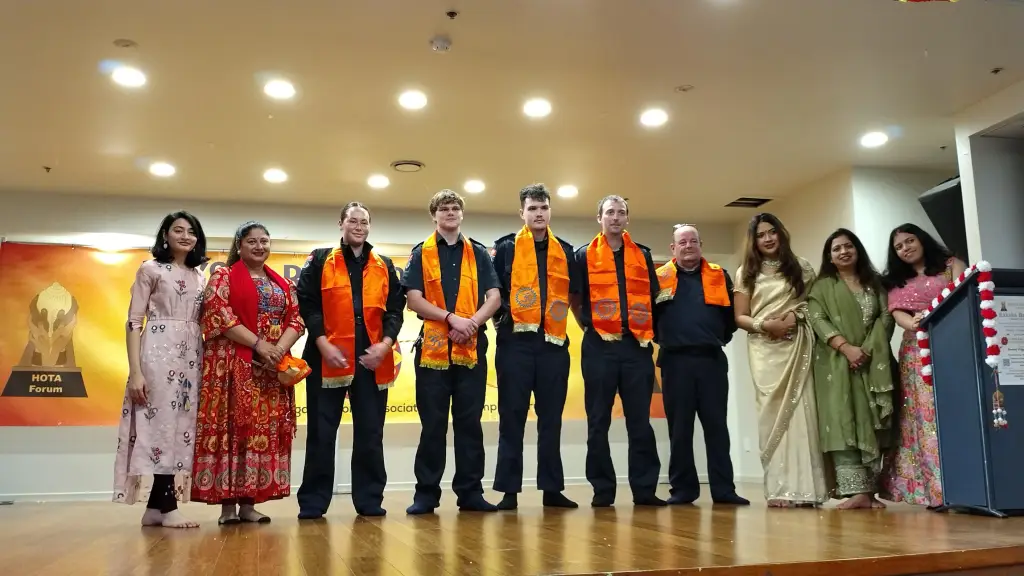
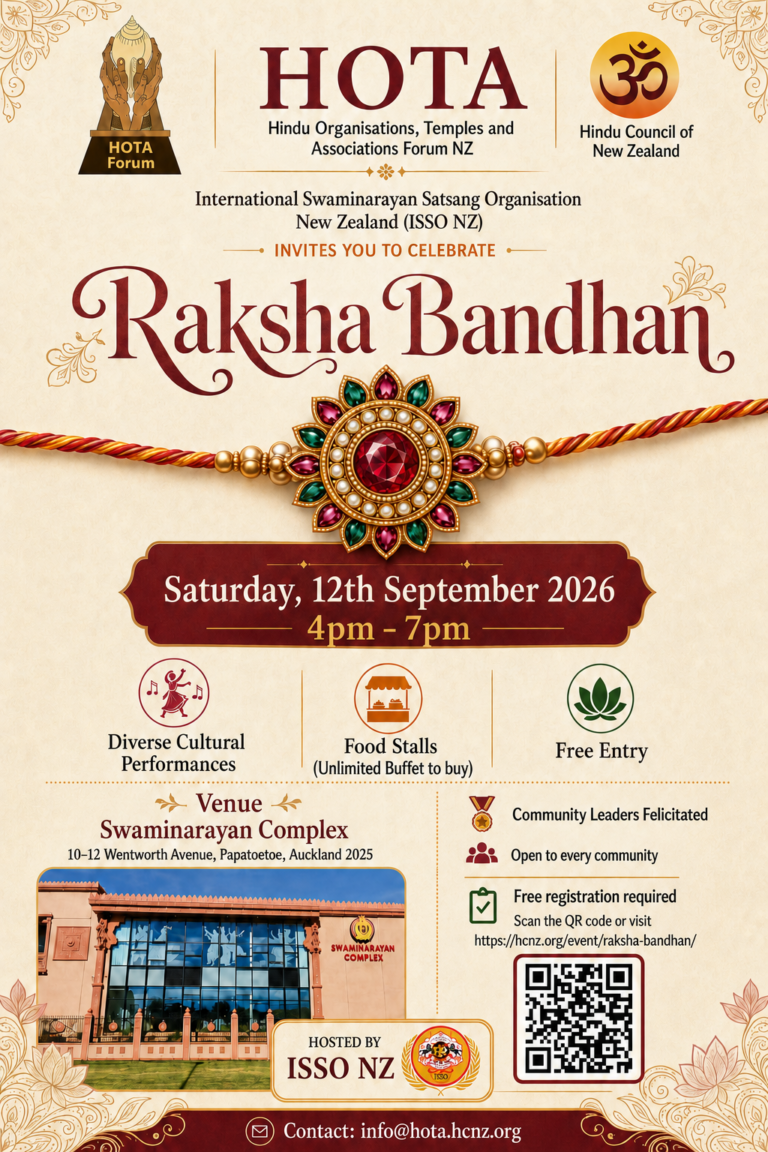
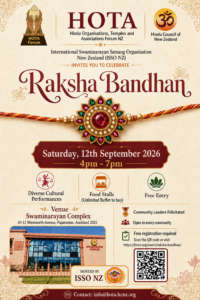
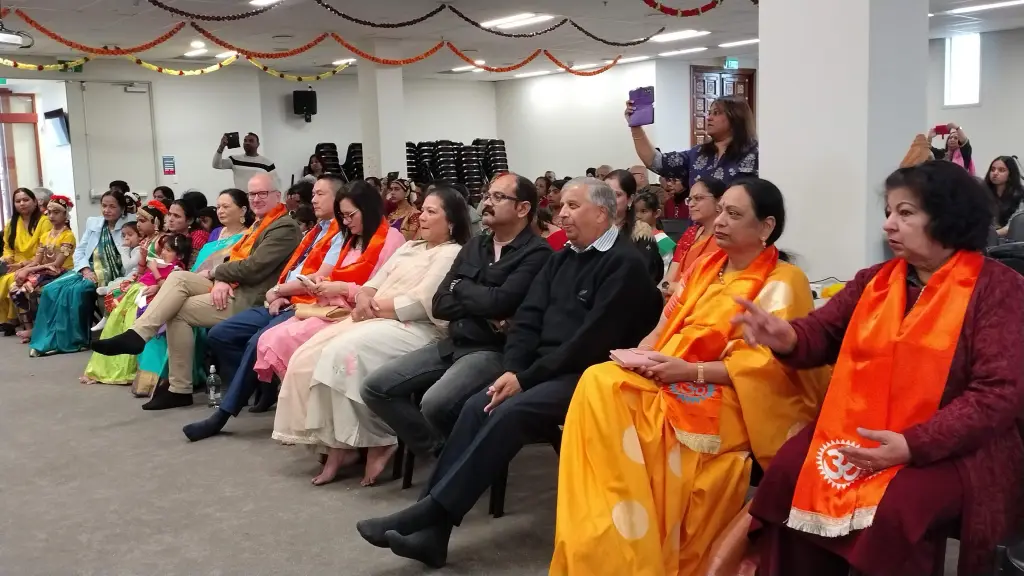
The Raksha Bandhan Community Celebration hosted by HOTA Forum NZ delivered an afternoon of culture, connection, and tradition at Shri Ram Mandir, Henderson, with locals, dignitaries, frontline workers, and families all sharing the sacred bond of protection and unity. The event featured a ceremonial diya lighting, Rakhi tying honouring first responders and leaders, a rich program of dances and music, and an atmosphere of collective pride.
An Afternoon Shaped By Ritual and Respect
The warm spring air carried an undercurrent of anticipation as guests began arriving at Shri Ram Mandir well before the scheduled start. The HOTA Team was in motion from early afternoon, transforming the temple’s main hall and hospitality areas into a welcoming environment festooned with colourful decorations, intricate mandalas, and banners reflecting the spirit of Raksha Bandhan. As clock struck three, volunteers Shivani and Pragati led final housekeeping checks and prepared to host what would become one of Auckland’s most memorable community gatherings of the year.
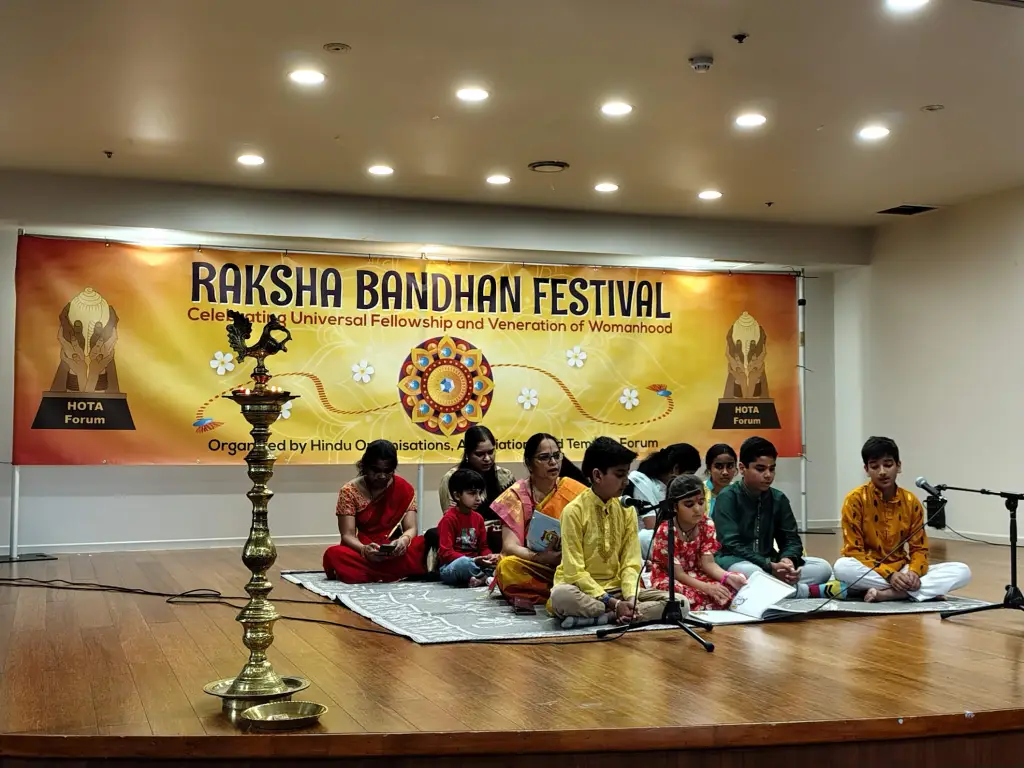
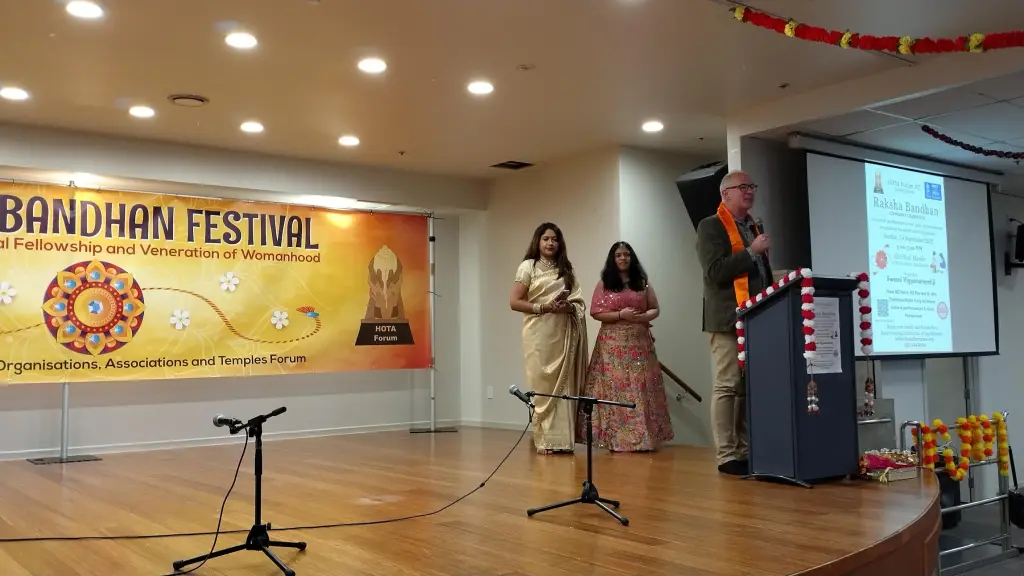
Dignitaries assembled at the entrance, greeted by the unmistakable aroma of incense and fresh marigold. With guests seated and the stage set, hosts Pragati and Shivani welcomed everyone, briefly introducing one another and sharing the intent behind the day’s program—a celebration of the time-honored bond between siblings and the broader meaning of protection that Raksha Bandhan represents.
Symbolic Beginnings: Lighting the Diya
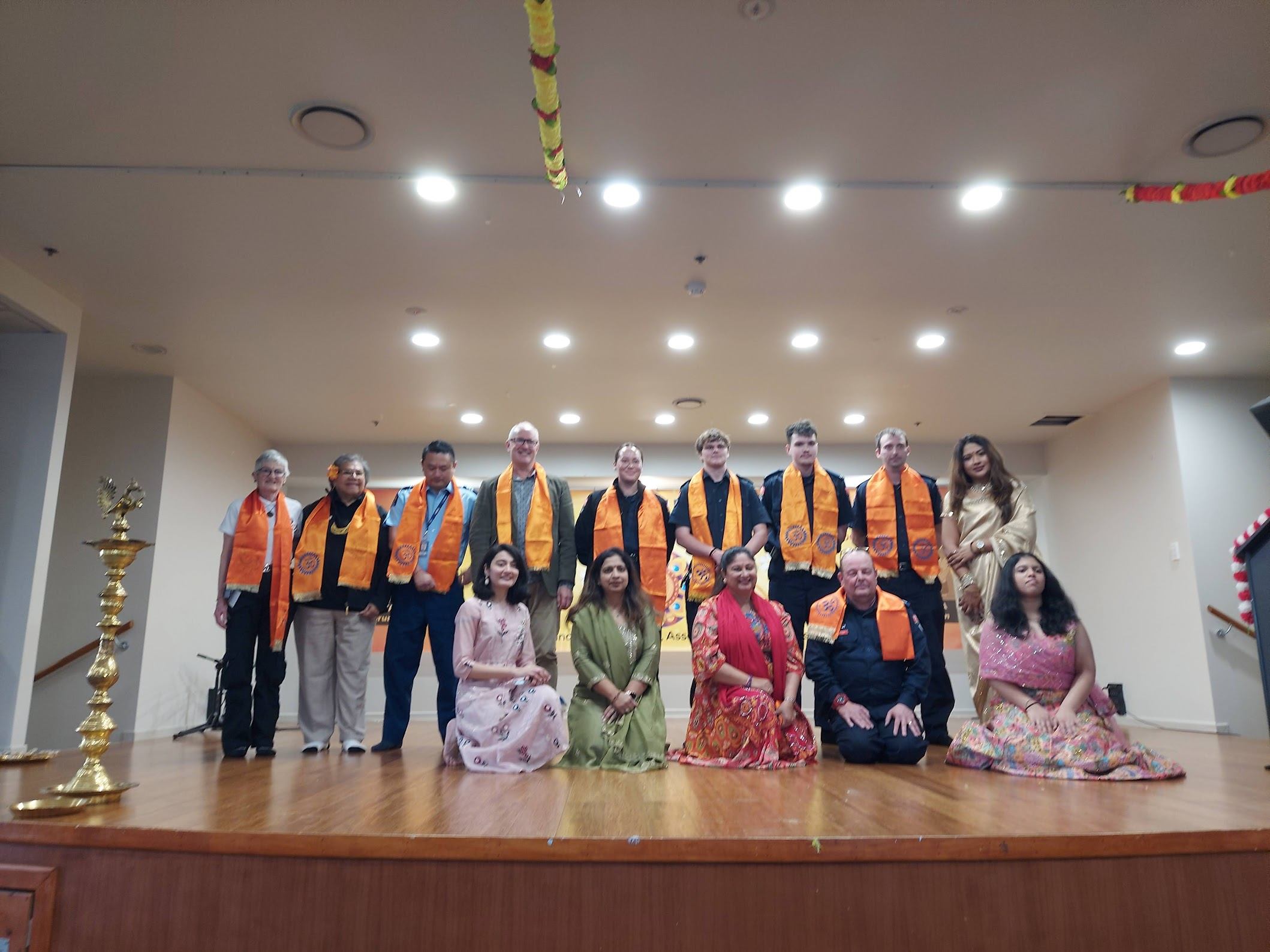
Centrepiece to the proceedings was the ceremonial lighting of the diya, a ritual marking new beginnings and dispelling darkness. Joining the hosts on stage were prominent figures: MP Phil Twyford, NZ Police’s community engagement officers, Fire Department lead James and team, St John Ambulance representatives Eleni and Nicola, and elders from Ram Mandir. Together, they lit the diya in a gesture symbolizing collective harmony and shared responsibility.
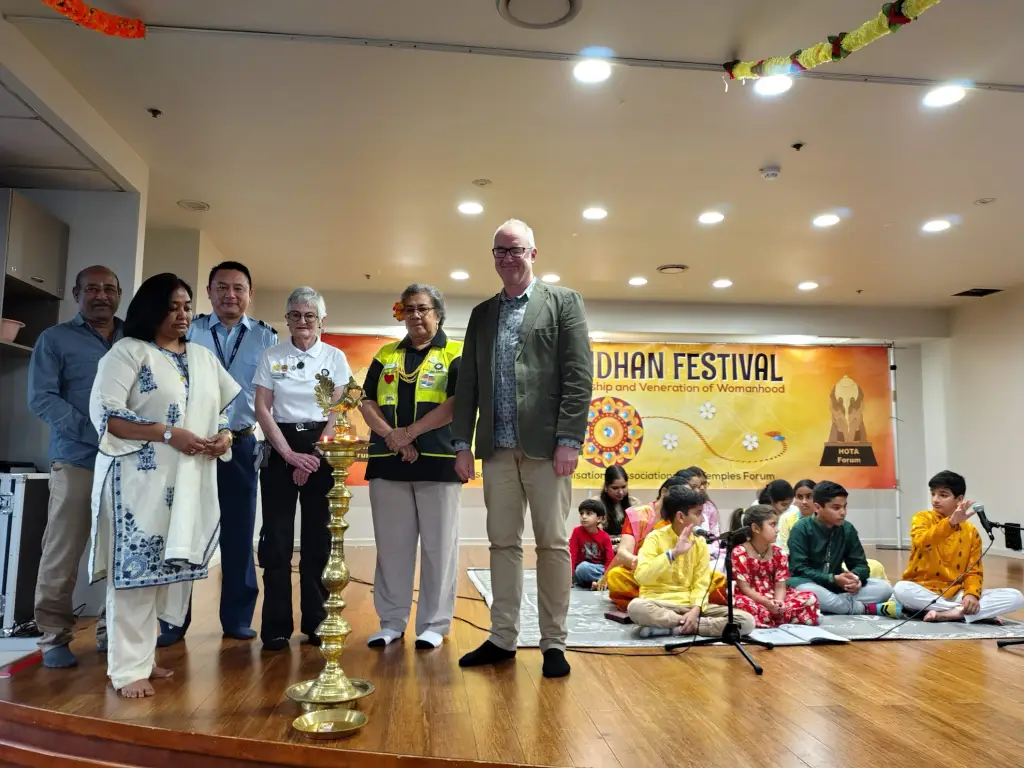
As the flames flickered, Shivani announced the next segment—a shloka recital by young students from Prajna Jeeyer Educational Trust. Echoing through the hall, their voices lent a sacred note to the event, underscoring the festival’s roots in ancient Indian tradition.
Honouring Heroes: Rakhi Tying Ceremony
The emotional heart of the celebration followed. Shelly took her place holding the ceremonial thali, adorned with kumkum, scarf, and rakhis woven by the community’s women and children. Pragati and Krupa moved through the dignitaries, tying rakhis around wrists with softly spoken words of gratitude and protection. Each Rakhi bestowed was both a physical token and a spiritual promise—a reminder that protection is a mutual responsibility, shared by every citizen and leader.
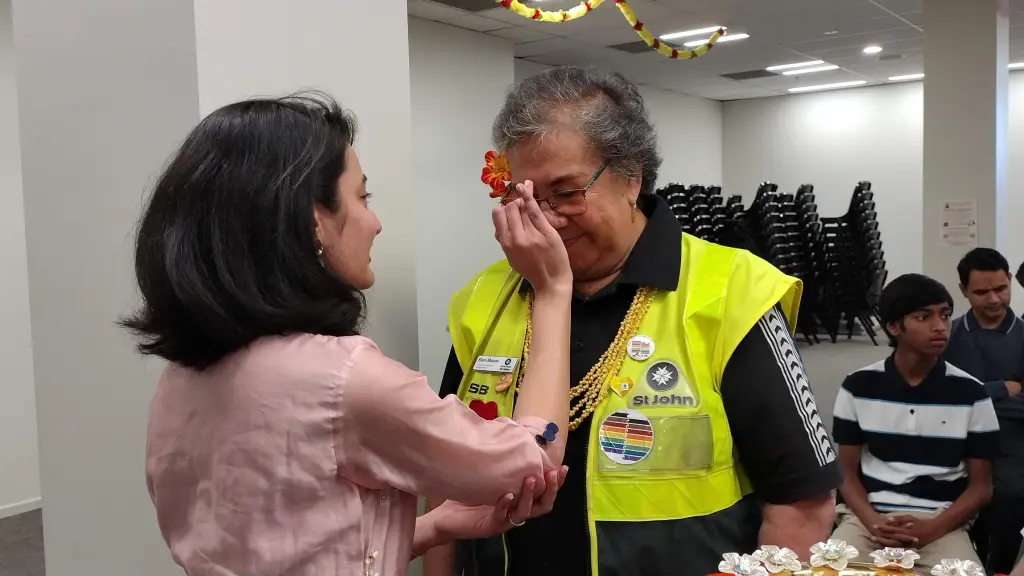
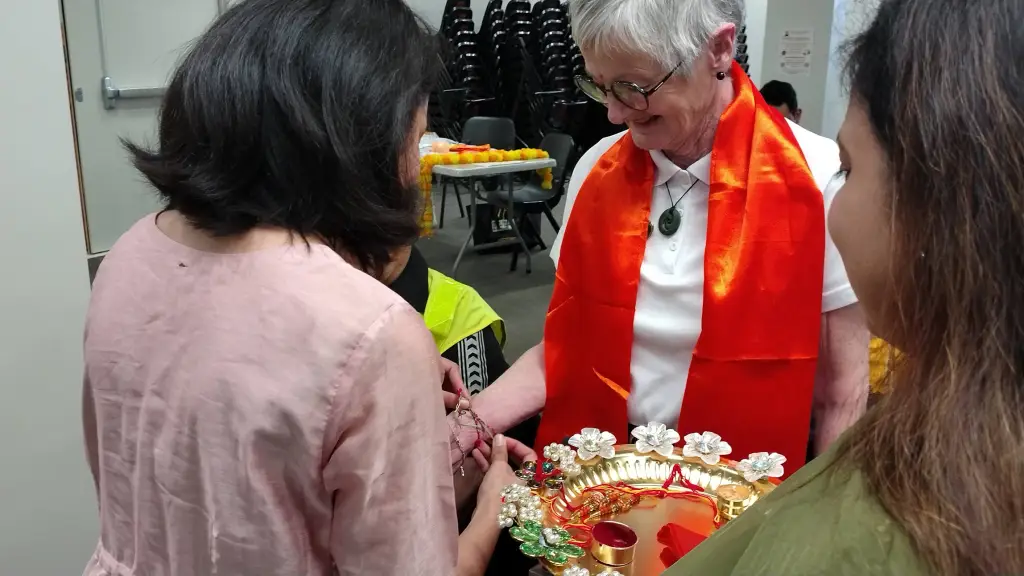
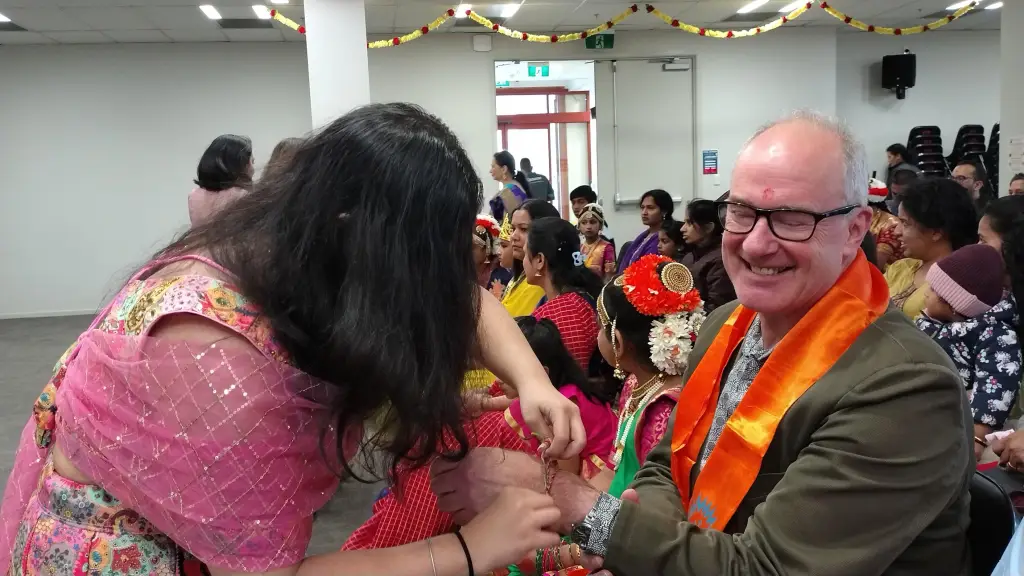
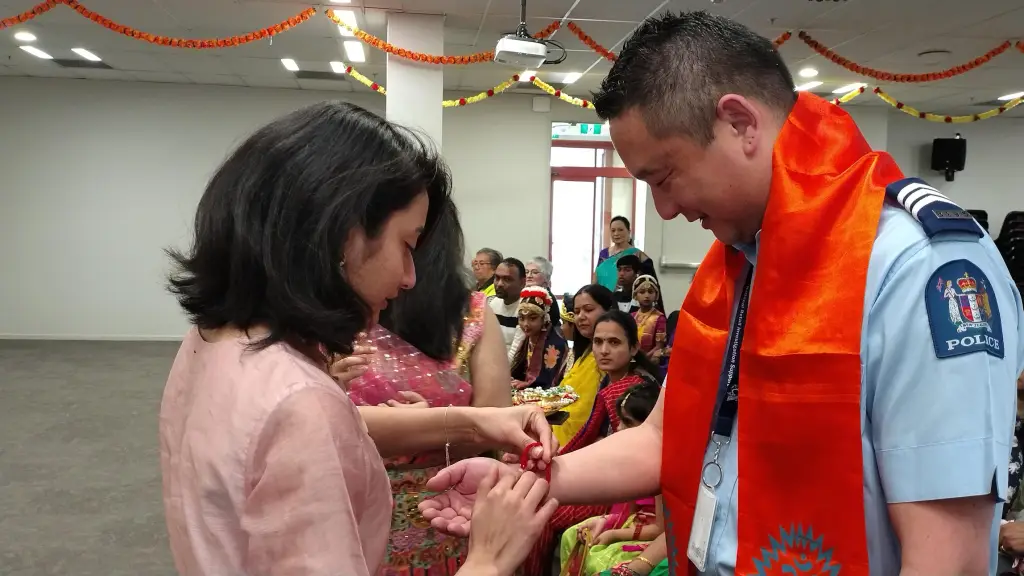
This act resonated with attendees, especially as rakhis adorned the hands of MP Phil Twyford, police officers, first responders, and fire service crews. Witnessing frontline workers honored by the community not only painted a picture of multicultural New Zealand, but also emphasized the power of tradition to transcend backgrounds and roles.
Words That Inspire
After the rakhi ceremony, MP Phil Twyford addressed the gathering. His remarks reflected on Auckland’s diversity, the resilience revealed by its communities, and the importance of festivals like Raksha Bandhan in knitting together the city’s cultural fabric. Representatives of NZ Police, Fire Services, and St John Ambulance each spoke in turn, expressing appreciation for the acknowledgment and reaffirming their commitment to serving all residents.
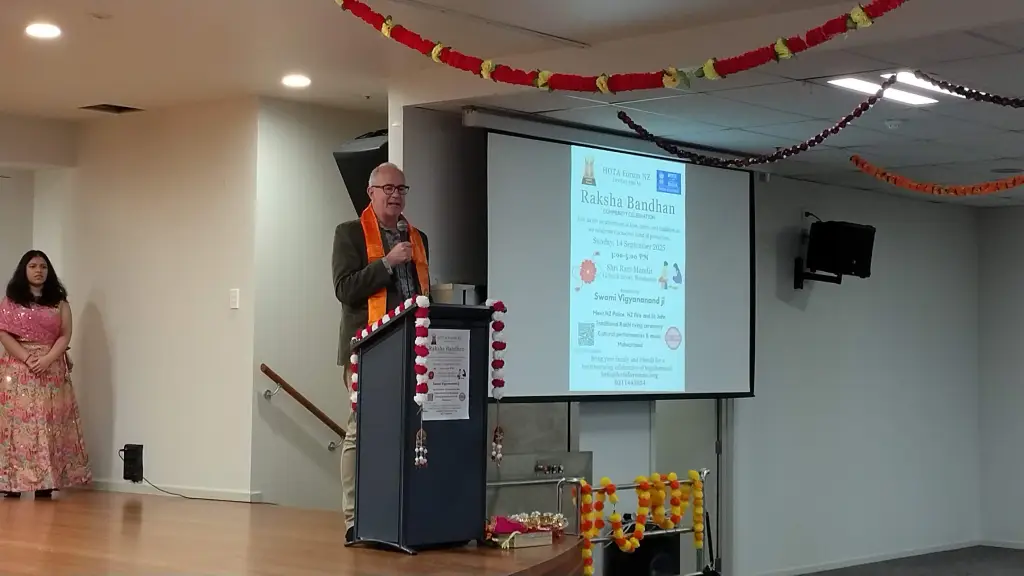
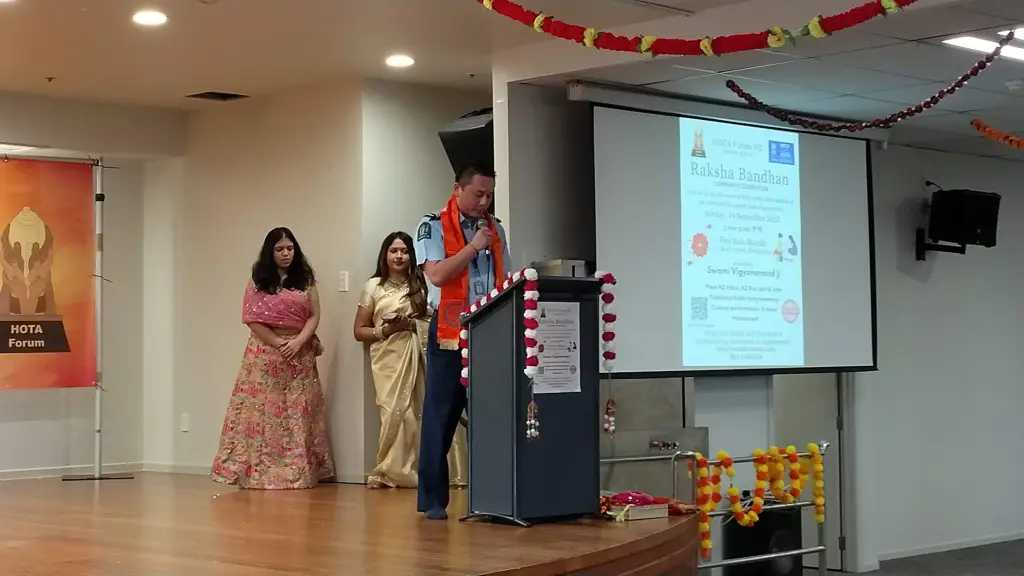
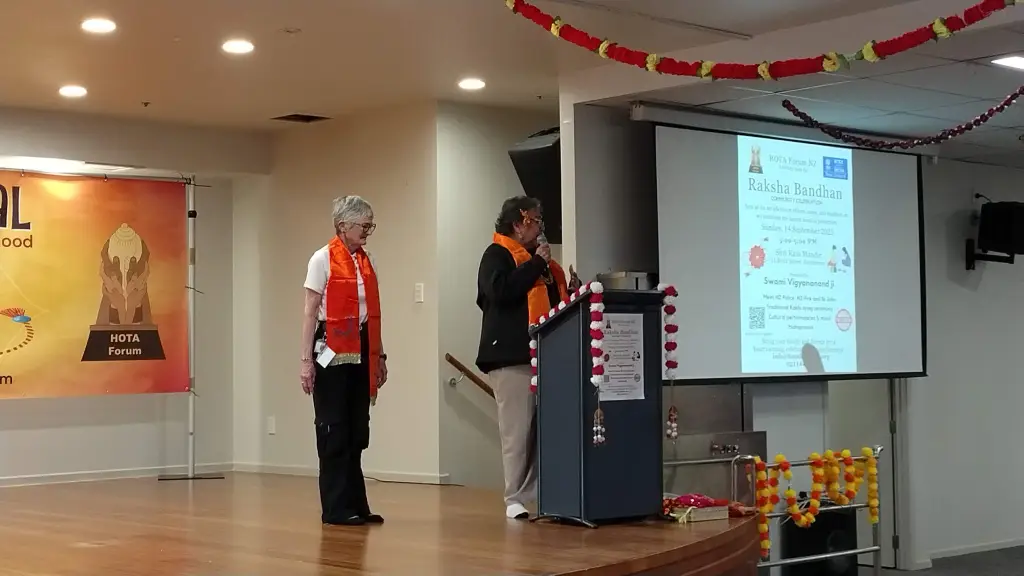
Eleni and Nicola from St John Ambulance spoke about community engagement, while James from the Fire Department reflected on the significance of receiving rakhi—a gesture both humbling and uplifting. These speeches, heartfelt and sincere, set the tone for the afternoon: a celebration of collective care, gratitude, and unity.
Dance and Music: The Pulse of Culture
With spirits high, the program transitioned to a succession of vibrant performances. Padma Junior Dance Group stepped onto the stage first, their routines blending classical and modern forms with infectious energy.
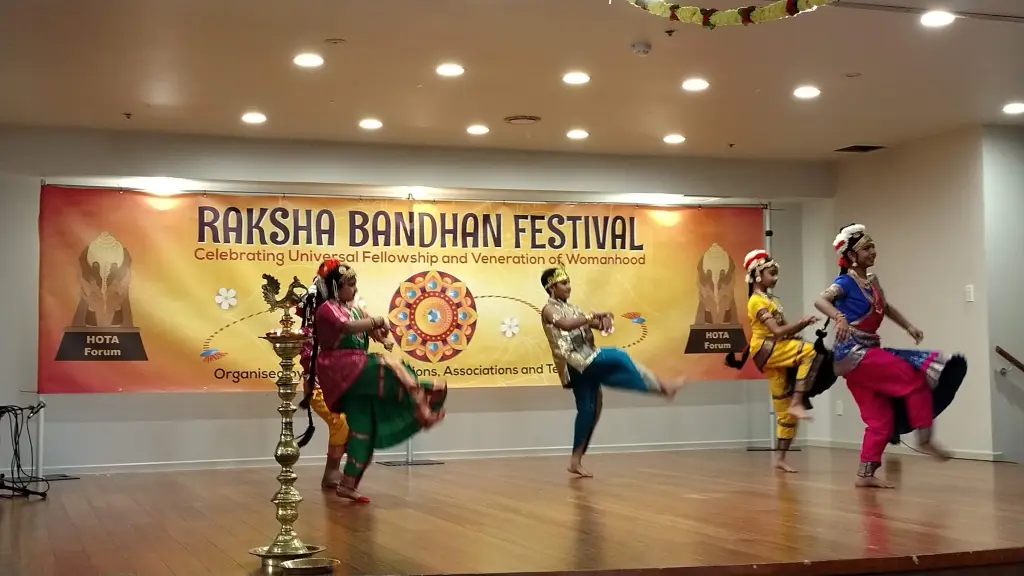
The Bazinga Dance Performance by Swetha Chepur drew loud applause, its choreography playful and contemporary. Aahana’s Nritya Dance further showcased the diversity of India’s artistic heritage, moving gracefully between styles and traditions.
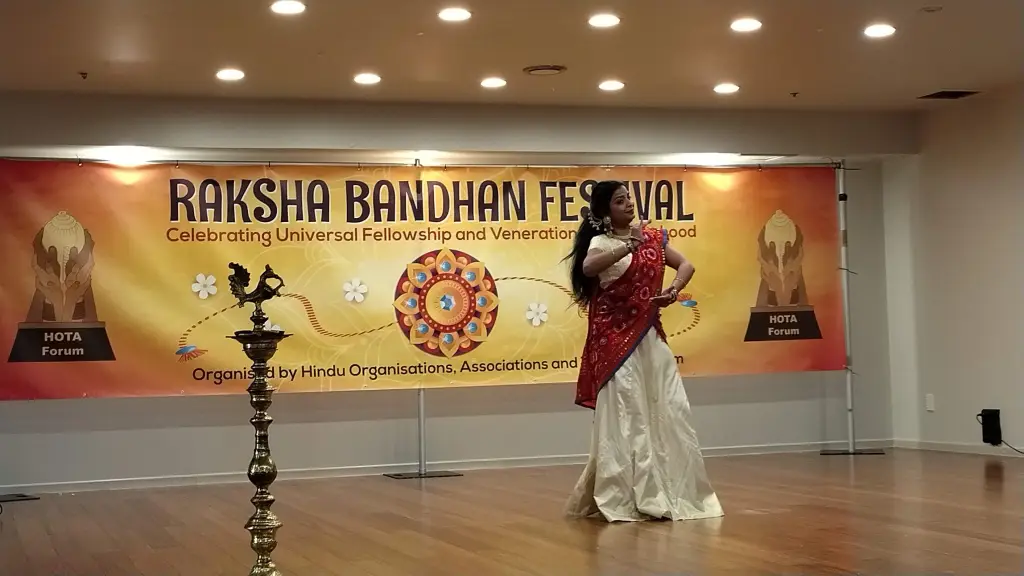
The schedule continued with Hare Krishna School’s Dhanvika Yalamanchili captivating the room with both movement and meaning, followed by Padma Senior Dance Group’s display of skill and dedication.
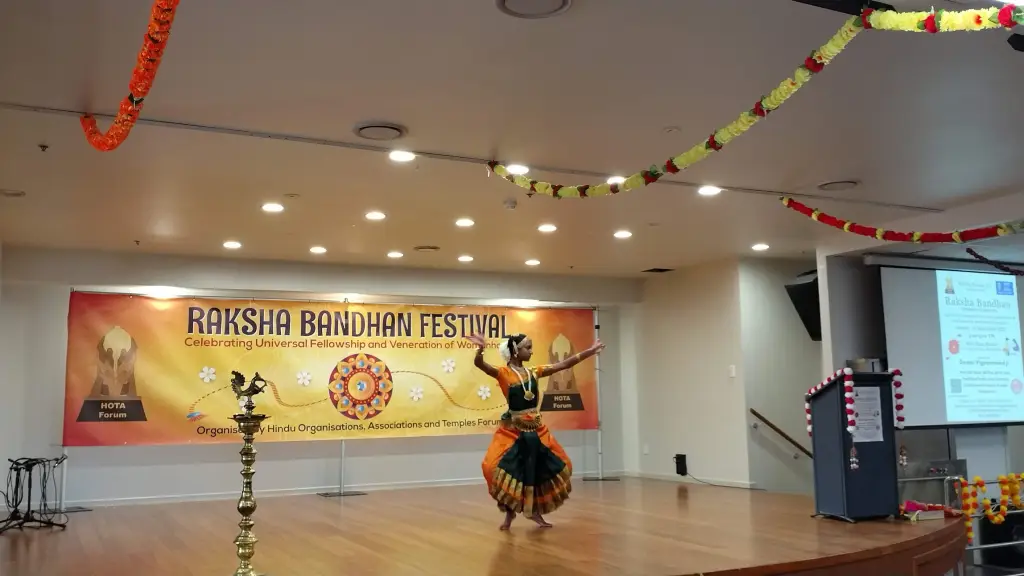
The audience responded with enthusiasm, many rising to join in the final chorus or offering standing ovations.
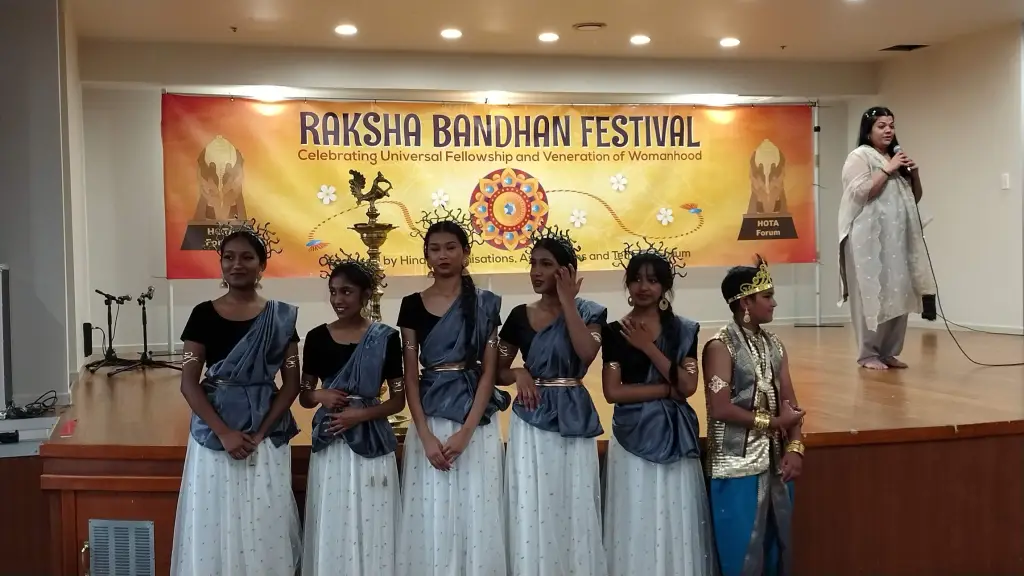
Cultural interludes were punctuated by moving musical moments. Rashi and Avishi’s bhajan performance brought a contemplative pause, encouraging reflection on faith and connection. Later, the Taal Dance Group brought the festival to a crescendo, their synchronization and passion leaving lasting impressions.
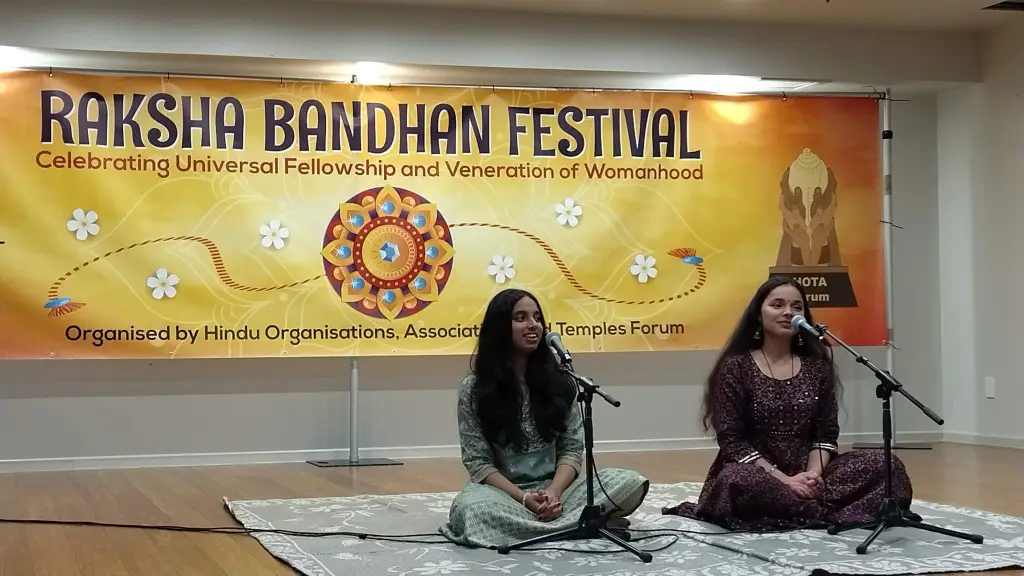
Community Voices and Recognition
Midway through the celebrations, Dr Parmjeet Parmar offered personal reflections on Raksha Bandhan and the evolving identity of Indians in New Zealand, emphasizing the role of cultural festivals in fostering mutual understanding. Shivani welcomed Dr Vinay Karanam on stage, who presented the vision and ongoing work of HOTA Forum NZ—strengthening social bonds, advocating for cultural literacy, and supporting the community’s most vulnerable members.
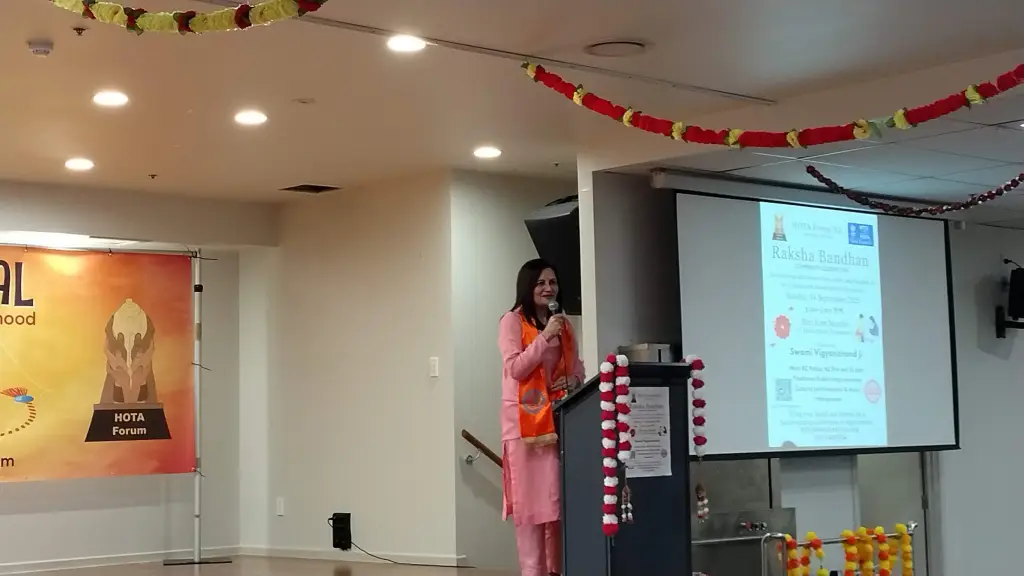
Nilima Venkat represented Seva Charitable Trust, a community leader in elderly care, an organisation founded by former four time MP Kanwaljit Singh Bakshi with other community leaders.
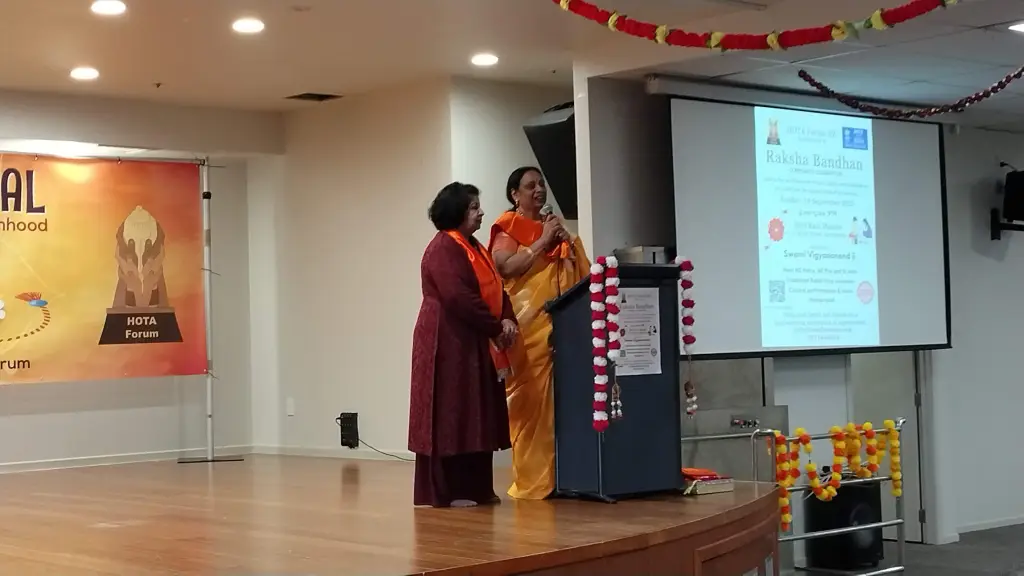
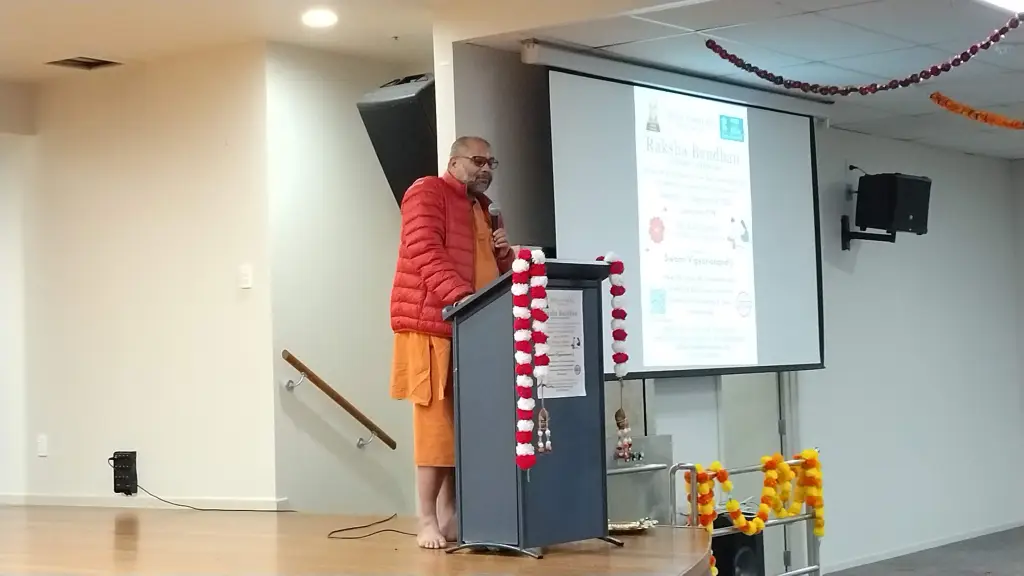
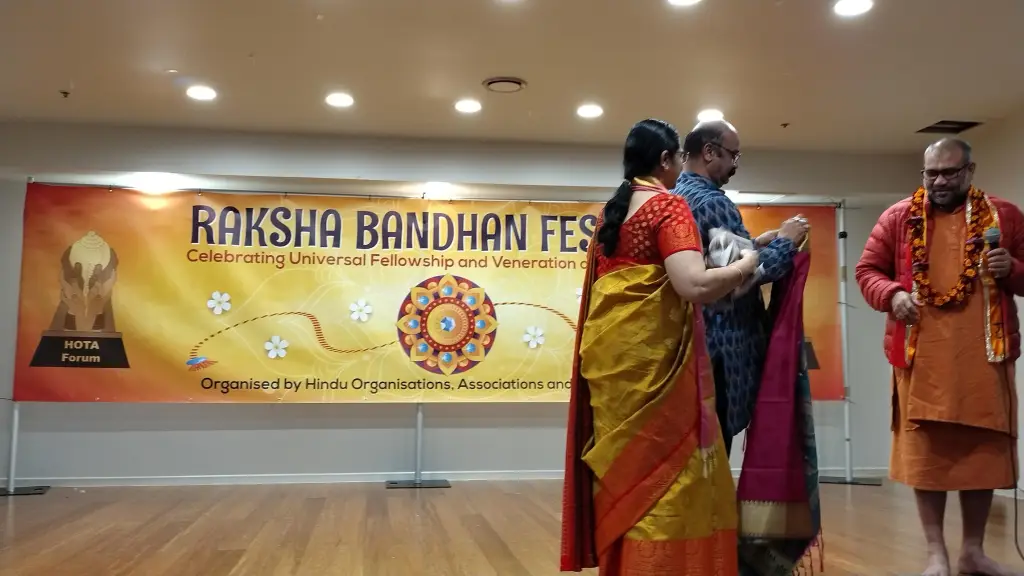
Later, Shrimati Madhavi formally welcomed Swami Vigyananand ji with a ceremonial scarf, marking the significance of spiritual leadership in times both turbulent and joyous. Ram Mandir officials contributed their own remarks, highlighting the temple’s role as a spiritual and social anchor for generations of migrants and locals alike.
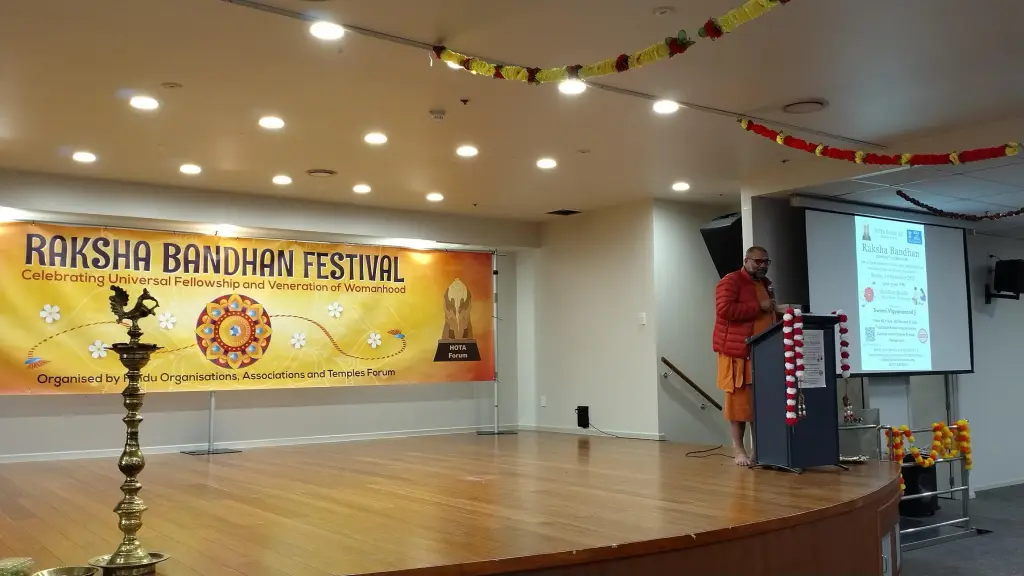
Closing: Togetherness and Celebration
As the program drew to a close, hosts Shivani and Pragati thanked all performers, volunteers, and guests for their presence and participation. The final segment—Mahaprasad dinner—saw families sharing food, stories, and laughter, strengthening bonds new and old.
After dinner, the HOTA Team transitioned into pack-up mode, ensuring the venue was left pristine and reflecting on the day’s smooth execution and emotional highlights. The impact of the event, however, will echo on: in the lives decked with fresh rakhis, the smiles of children, the gratitude of public servants, and the continuing vibrancy of Auckland’s Indian diaspora.
Lasting Legacy
The Raksha Bandhan Community Celebration was not simply a festival, but an affirmation of unity, tradition, and social cohesion. It demonstrated that rituals, when performed with intention and inclusivity, possess the power to strengthen communities and foster resilience. From diya lighting to closing remarks, every moment was a testament to the enduring importance of cultural heritage and the joyful possibilities created when communities gather in mutual respect.
As memories of the afternoon linger and plans for future gatherings are set in motion, one message persists: shared traditions, respected differences, and collective goodwill remain the heart of Auckland’s success as a truly diverse city.