



 Vinay Karanam
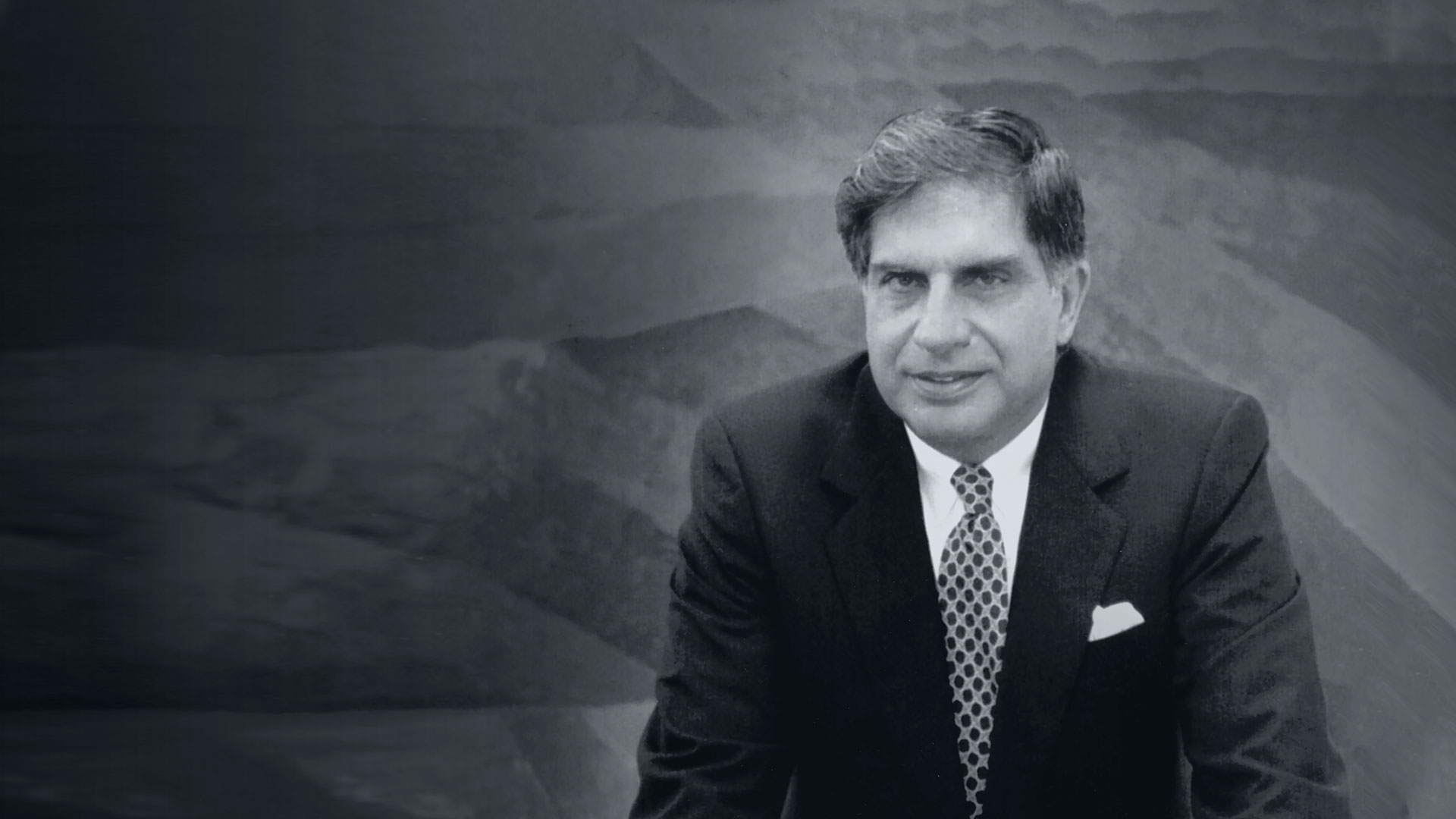
 On this special day, as we pay tribute to Ratan Tata on what would have been his birthday, we remember his incredible legacy following his recent demise. Ratan Tata, a titan in the world of business and philanthropy, has left an indelible mark on both the Indian and global economies. This article delves deep into his life, tracing his journey from a young boy with dreams to a visionary leader who transformed Tata Group into a global powerhouse.
Overview:
We begin with a glimpse into his formative years, education, and the influences that shaped his character during his childhood and early years. We then move on to examine the core values and beliefs that guided his decisions and leadership style, capturing the essence of his principles and ethos. As we progress, we explore his early contributions and ascension within Tata Group, setting the stage for his future leadership in the section titled, “The Rise of Ratan Tata.”
His early leadership is marked by key initiatives and strategies that defined his initial years at the helm of Tata Group. As we delve deeper, we discuss his mid leadership and expansion, highlighting significant projects, acquisitions, and global ventures that defined the middle phase of his leadership. Following this, we look at his transition from active leadership to an advisory role as Chairman Emeritus, and the continued impact he had on Tata Group.
In our special sections, we analyze his crisis management during the Singur conflict and reflect on his exemplary leadership during the Mumbai terrorist attacks on 26/11. We also provide insight into his unique approach to leadership and decision-making in a section dedicated to his style of leadership.
Finally, we assess his contributions to India’s economic landscape and industrial growth, exploring his influence on the Indian economy. Additionally, we explore how his vision and ventures have influenced the global business environment, showcasing his impact on the global economy. This article is a tribute to a remarkable leader whose legacy will continue to inspire generations to come.
Childhood and Early Years of Ratan Tata
Ratan Tata was born on December 28, 1937, in Bombay (now Mumbai), India, into one of the country’s most prominent business families. The Tata family, known for their business acumen and philanthropy, provided a nurturing environment that would shape Ratan Tata’s future. He was born to Naval Tata and Sonoo Tata, and was part of the illustrious Tata family, which had established Tata Group in 1868. Unfortunately, his parents separated when he was just seven years old, and he was raised by his grandmother, Lady Navajbai Tata, who played a significant role in his upbringing.
Ratan Tata attended Campion School in Mumbai, followed by Cathedral and John Connon School. Later, he went to Bishop Cotton School in Shimla and completed his secondary education from Riverdale Country School in New York City. He pursued his undergraduate degree in architecture and structural engineering from Cornell University and later attended the Advanced Management Program at Harvard Business School in 1975.
As a member of the Tata family, Ratan was deeply influenced by J.R.D. Tata, the then-chairman of Tata Group. J.R.D.’s visionary leadership and commitment to ethical business practices left a lasting impact on him. During his time at Cornell, Ratan worked various jobs, including as a blue-collar worker on the shop floor of Tata Steel in Jamshedpur. This experience gave him insight into the working conditions of factory workers and the importance of empathy and fairness in business leadership.
Ratan Tata developed a keen interest in automobiles from a young age, a passion that would later drive him to spearhead Tata Motors’ development of the Tata Indica, India’s first indigenously designed and produced car. His early years were marked by a blend of privileged upbringing and personal challenges. The values instilled by his family, combined with his education and early work experiences, laid a strong foundation for his future endeavors.
Principles and Ethos of Ratan Tata
Ratan Tata’s leadership and life were profoundly guided by a strong set of principles and ethos. These core values not only shaped his decisions but also defined the culture and direction of Tata Group during his tenure.
One of the most significant aspects of Ratan Tata’s ethos was his unwavering commitment to ethical business practices. He believed that businesses should be run with integrity and transparency, and this belief permeated every level of Tata Group. He often emphasized that companies should not only focus on profitability but also on their responsibility towards society and the environment. This philosophy of ethical capitalism was a cornerstone of his leadership.
Ratan Tata was also known for his humility and down-to-earth nature. Despite his immense success and stature, he remained approachable and modest. He often attributed his success to the collective efforts of his team and was known for his inclusive leadership style. He believed in empowering his employees, fostering a sense of ownership and commitment among them.
Innovation and forward-thinking were also key elements of Ratan Tata’s principles. He constantly sought to push the boundaries and encourage creativity within the organization. Under his leadership, Tata Group ventured into new industries and global markets, often taking bold and unconventional steps. His vision for Tata Group was not just to be a leader in India but to be a global player.
Moreover, Ratan Tata had a deep sense of social responsibility. He believed that businesses have a role to play in addressing societal issues and improving the quality of life for people. He championed various philanthropic initiatives through the Tata Trusts, focusing on education, healthcare, and rural development. His commitment to social causes was not just a part of his professional life but a personal mission as well.
Ratan Tata’s principles and ethos were a blend of ethical business practices, humility, innovation, and social responsibility. These values not only defined his leadership but also left a lasting legacy on Tata Group and the business world at large. His principles continue to inspire future generations of leaders and entrepreneurs.
The Rise of Ratan Tata
Ratan Tata’s ascent within the Tata Group is a testament to his vision, determination, and leadership capabilities. His journey from being a young executive to becoming the chairman of one of India’s largest conglomerates is marked by significant milestones and achievements.
After completing his education, Ratan Tata joined Tata Group in 1962. His early years were spent working on the shop floor of Tata Steel, where he gained invaluable experience and insights into the operations and challenges of the company. This hands-on experience helped him understand the intricacies of the business and the importance of empathy and fairness in leadership.
In 1971, Ratan Tata was appointed as the Director-in-Charge of The National Radio and Electronics Company Limited (NELCO), which was in dire financial straits at the time. Despite the challenging circumstances, he managed to turn the company around, showcasing his ability to lead and revive struggling businesses. This achievement earned him recognition within the Tata Group and set the stage for his future leadership roles.
Ratan Tata’s rise continued when he was appointed as the chairman of Tata Industries in 1981. Under his leadership, Tata Industries underwent significant restructuring and modernization. He initiated various strategic projects and diversified the company’s portfolio, focusing on high-technology businesses. His vision was to make Tata Group a global player, and he laid the foundation for future international ventures.
The most significant milestone in Ratan Tata’s career came in 1991 when he succeeded J.R.D. Tata as the chairman of Tata Group. Taking over the reins of the conglomerate was no small feat, especially during a time when India was undergoing economic liberalization and the business landscape was rapidly changing. However, Ratan Tata rose to the challenge with his innovative thinking and steadfast commitment to the group’s core values.
During his tenure as chairman, Ratan Tata spearheaded numerous initiatives that transformed Tata Group into a global powerhouse. He oversaw the acquisition of several international companies, including Tetley, Corus, and Jaguar Land Rover, which significantly expanded Tata Group’s global footprint. His focus on innovation and technology also led to the development of groundbreaking products like the Tata Nano and Tata Indica.
Ratan Tata’s rise within the Tata Group was characterized by his visionary leadership, strategic thinking, and unwavering commitment to ethical business practices. His ability to navigate challenges and seize opportunities helped shape Tata Group into a global conglomerate and left a lasting legacy that continues to inspire future leaders.
Early Leadership of Ratan Tata
Ratan Tata’s early leadership at Tata Group was marked by a series of strategic initiatives and forward-thinking decisions that set the stage for the company’s transformation into a global powerhouse. His vision, coupled with a strong commitment to ethical business practices, began to shine through as he took on more significant roles within the organization.
Upon his appointment as the chairman of Tata Group in 1991, Ratan Tata faced the daunting task of steering the conglomerate through the challenges of a liberalizing Indian economy. One of his first major initiatives was restructuring the Tata Group. At the time, the group was a collection of over 100 companies, many of which were not performing optimally. Ratan Tata streamlined the operations, focusing on key sectors and divesting from non-core businesses. This move was crucial in making the group more efficient and competitive.
Ratan Tata also placed a strong emphasis on innovation and modernization. He encouraged a culture of research and development across the group, leading to the creation of cutting-edge products and technologies. One of his notable achievements during this period was the development and launch of Tata Indica in 1998, India’s first indigenously designed and manufactured car. This project not only showcased Tata Motors’ capabilities but also positioned India as a player in the global automobile industry.
In addition to his focus on product innovation, Ratan Tata also prioritized the global expansion of Tata Group. Under his leadership, the group embarked on a series of high-profile international acquisitions. The acquisition of Tetley in 2000, which made Tata Tea the second-largest global tea company, was a significant milestone. This was followed by the acquisition of Corus, an Anglo-Dutch steelmaker, in 2007, and the purchase of iconic brands Jaguar and Land Rover from Ford in 2008. These strategic moves not only expanded Tata Group’s global footprint but also enhanced its brand value and market presence.
Ratan Tata’s early leadership was characterized by his ability to balance tradition with modernity. While he respected and upheld the values and legacy of the Tata Group, he was not afraid to take bold and unconventional steps to ensure the company’s growth and relevance in a rapidly changing business environment. His emphasis on ethical business practices, innovation, and global expansion laid a strong foundation for Tata Group’s future success.
As we look back on Ratan Tata’s early leadership, it is clear that his strategic vision and commitment to excellence were instrumental in transforming Tata Group into a global conglomerate. His leadership during this period set the stage for many of the successes and milestones that the group would achieve in the years to come.
Mid Leadership and Expansion of Ratan Tata
The mid-phase of Ratan Tata’s leadership at Tata Group was marked by ambitious expansion, strategic acquisitions, and a relentless drive to transform the conglomerate into a global entity. During this period, his vision and innovative approach continued to push the boundaries of what Tata Group could achieve.
Under Ratan Tata’s leadership, Tata Group diversified its portfolio and entered new markets, both domestically and internationally. He recognized the importance of globalization and worked towards expanding the group’s presence across the world. One of the most significant moves was the acquisition of Tetley in 2000, making Tata Tea (now Tata Global Beverages) the second-largest tea company globally. This acquisition was a landmark moment, as it showcased Tata Group’s ability to compete on a global scale.
Following the success of the Tetley acquisition, Ratan Tata led Tata Group in a series of high-profile international acquisitions. In 2007, Tata Steel acquired the Anglo-Dutch steelmaker Corus, creating one of the world’s largest steel producers. This acquisition not only expanded Tata Steel’s global footprint but also positioned it as a major player in the international steel industry. The following year, Tata Motors acquired the iconic British brands Jaguar and Land Rover from Ford. This move was a strategic attempt to enhance Tata Motors’ capabilities and brand value in the luxury automobile segment. Despite initial skepticism, Ratan Tata’s bold decisions paid off, and the acquisitions proved to be successful in the long run.
In addition to these high-profile acquisitions, Ratan Tata focused on innovation and modernization within Tata Group. He encouraged a culture of research and development, leading to the creation of groundbreaking products and technologies. One of the most notable achievements during this period was the launch of Tata Nano in 2008, touted as the world’s cheapest car. The Tata Nano project aimed to make car ownership accessible to millions of Indians and demonstrated Tata Group’s commitment to affordability and innovation.
Ratan Tata’s leadership style during this phase was characterized by a blend of risk-taking and meticulous planning. He was not afraid to take bold steps, but he always ensured that they were well thought out and aligned with the group’s long-term vision. His emphasis on ethical business practices, transparency, and corporate governance continued to be a guiding principle for all his decisions.
The mid-phase of Ratan Tata’s leadership was a period of significant growth and transformation for Tata Group. His strategic vision and unwavering commitment to excellence helped the conglomerate achieve new heights and cement its position as a global powerhouse. This period laid the foundation for Tata Group’s continued success and influence in the years to come.
Chairman Emeritus: Ratan Tata’s Continued Influence
After stepping down as the chairman of Tata Group in 2012, Ratan Tata assumed the title of Chairman Emeritus, continuing to play a significant advisory role within the conglomerate. His transition from active leadership to an advisory capacity was marked by a seamless blend of experience, wisdom, and ongoing commitment to the group’s core values and vision.
As Chairman Emeritus, Ratan Tata remained actively involved in guiding the leadership of Tata Group. His wealth of knowledge and strategic insights proved invaluable in navigating complex business challenges and making critical decisions. He provided mentorship to the next generation of leaders within the organization, ensuring that the values and principles he upheld during his tenure continued to be at the forefront of Tata Group’s operations.
One of the key areas where Ratan Tata’s influence persisted was in fostering innovation and sustainability. He continued to advocate for investments in cutting-edge technologies and sustainable practices, recognizing the importance of adapting to a rapidly evolving global business environment. His forward-thinking approach helped Tata Group stay ahead of the curve and maintain its competitive edge.
Ratan Tata’s commitment to social responsibility and philanthropy also remained steadfast during his years as Chairman Emeritus. Through the Tata Trusts, he continued to champion various initiatives aimed at improving education, healthcare, and rural development in India. His dedication to giving back to society was evident in the numerous projects and programs he supported, reflecting his belief that businesses have a responsibility to contribute to the greater good.
Moreover, Ratan Tata’s role as Chairman Emeritus allowed him to focus on fostering collaborations and partnerships with other global organizations. He played a pivotal role in forging alliances and expanding Tata Group’s presence in international markets. His efforts helped strengthen the group’s global footprint and enhance its reputation as a leading conglomerate.
Ratan Tata’s transition to Chairman Emeritus was not a step back but a continuation of his lifelong commitment to excellence and ethical business practices. His influence and guidance remained a driving force behind Tata Group’s success, ensuring that the legacy he built continued to thrive. His ability to blend experience with innovation, and his unwavering dedication to social causes, left an indelible mark on the business world and continues to inspire future generations of leaders.
Special Section: Singur Crisis Handling
Ratan Tata’s handling of the Singur crisis is a testament to his crisis management skills, steadfast leadership, and commitment to ethical business practices. The Singur crisis began in 2006 when Tata Motors decided to set up a factory to manufacture the Tata Nano in Singur, West Bengal. The project was envisioned as a landmark initiative to produce the world’s cheapest car, aimed at making car ownership accessible to millions of Indians.
However, the project soon faced significant opposition from local farmers and political groups who were against the acquisition of farmland for industrial purposes. The protests quickly escalated, leading to widespread unrest and political turmoil. The situation put Ratan Tata in a challenging position, as he had to balance the aspirations of the Tata Group with the concerns of the local community and political stakeholders.
Ratan Tata’s approach to the crisis was marked by his unwavering commitment to ethical business practices and transparency. He engaged in open dialogue with the affected farmers, political leaders, and other stakeholders, seeking to address their concerns and find a mutually acceptable solution. Despite his efforts, the protests continued, and the situation became increasingly volatile.
In 2008, after prolonged negotiations and with no resolution in sight, Ratan Tata made the difficult decision to relocate the Nano project to Sanand, Gujarat. This decision was not taken lightly, as it involved significant financial and logistical challenges for Tata Motors. However, Ratan Tata’s priority was to ensure the safety and well-being of the local community and his employees.
The relocation of the Nano project to Sanand turned out to be a successful move. The new factory was established swiftly, and the Tata Nano was eventually launched, fulfilling Ratan Tata’s vision of an affordable car for the masses. The experience in Singur reinforced Ratan Tata’s reputation as a leader who prioritizes ethical decision-making and values the well-being of all stakeholders.
Ratan Tata’s handling of the Singur crisis demonstrated his crisis management acumen, empathy, and unwavering commitment to ethical business practices. His decision to relocate the project, despite the challenges, highlighted his ability to make tough choices while staying true to his principles. This episode remains a significant chapter in Ratan Tata’s legacy, showcasing his exemplary leadership during times of adversity.
Special Section: Leadership During the 26/11 Mumbai Terrorist Attacks
Ratan Tata’s leadership during the 26/11 Mumbai terrorist attacks is a powerful example of his courage, empathy, and unwavering commitment to his people. The attacks, which took place from November 26 to 29, 2008, targeted several locations in Mumbai, including the iconic Taj Mahal Palace Hotel, which is owned by the Tata Group. The hotel was one of the major sites of the siege, and its staff and guests were directly affected by the horrific events.
As the crisis unfolded, Ratan Tata’s immediate concern was the safety and well-being of everyone trapped inside the hotel. Despite the imminent danger, he took swift action, coordinating rescue efforts and ensuring that all possible measures were taken to protect the lives of the guests and staff. His presence and leadership during the crisis were a source of strength and reassurance for those affected.
In the aftermath of the attacks, Ratan Tata’s response was characterized by compassion and resilience. He personally visited the victims’ families, offering support and condolences. He made it a point to meet with the injured, providing them with the necessary medical and emotional assistance. His approach to the crisis was not just as a business leader but as a humanitarian deeply committed to the welfare of his people.
Ratan Tata also ensured that the Taj Mahal Palace Hotel was swiftly restored to its former glory. He was adamant that the hotel should reopen as a symbol of resilience and strength, demonstrating that the spirit of Mumbai and the Tata Group could not be broken by acts of terror. The hotel’s reopening was a poignant moment, symbolizing hope and recovery for the city and its people.
Additionally, Ratan Tata emphasized the importance of learning from the tragedy. He worked on enhancing the security measures across Tata Group properties to prevent such incidents in the future. His proactive approach to crisis management and his commitment to rebuilding and moving forward were exemplary.
Ratan Tata’s leadership during the 26/11 attacks showcased his extraordinary ability to lead with empathy, courage, and determination. His actions during and after the crisis reflected his deep sense of responsibility and compassion, leaving a lasting impact on the survivors and the broader community. This period in his leadership is remembered as a testament to his exceptional character and unwavering dedication to his principles.
Style of Leadership
Ratan Tata’s style of leadership was a unique blend of vision, humility, and ethical values. He was known for his ability to inspire and motivate those around him while maintaining a deep sense of integrity and responsibility. His leadership style left a profound impact on both the Indian and global economies.
One of the key aspects of Ratan Tata’s leadership was his visionary thinking. He had the foresight to see opportunities and challenges long before they became apparent to others. This ability to anticipate and adapt to changing market dynamics allowed Tata Group to stay ahead of the curve and remain competitive. His vision for Tata Group was not limited to just business success; he also envisioned the group as a force for social good, contributing to the betterment of society.
Humility and approachability were hallmarks of Ratan Tata’s leadership style. Despite his immense success and stature, he remained grounded and accessible to his employees. He believed in leading by example and was known for his hands-on approach. Whether it was working on the shop floor of Tata Steel or personally visiting victims of the 26/11 attacks, Ratan Tata demonstrated that true leadership involves being present and empathetic.
Ethical values were at the core of Ratan Tata’s leadership. He firmly believed that businesses should operate with integrity and transparency. His commitment to ethical practices earned Tata Group a reputation for trustworthiness and reliability. This emphasis on ethics extended to all aspects of the business, from employee relations to corporate governance. Ratan Tata’s unwavering adherence to these principles set a benchmark for ethical leadership in the corporate world.
Innovation was another key component of Ratan Tata’s leadership style. He encouraged a culture of creativity and experimentation within Tata Group. Under his leadership, the group ventured into new industries, developed groundbreaking products, and embraced technological advancements. His support for innovation was evident in projects like the Tata Nano and the acquisition of iconic global brands like Jaguar and Land Rover.
Ratan Tata’s leadership had a significant influence on the Indian economy. His efforts to modernize and globalize Tata Group played a crucial role in India’s economic growth and industrial development. The successful international acquisitions and expansion under his leadership positioned India as a key player in the global business arena. Moreover, his emphasis on social responsibility and philanthropy contributed to the overall socio-economic development of the country.
On the global stage, Ratan Tata’s leadership left an enduring impact. The strategic acquisitions and partnerships he pursued expanded Tata Group’s footprint and established it as a global conglomerate. His approach to business, characterized by ethical practices, innovation, and social responsibility, set a standard for corporate leadership worldwide.
Ratan Tata’s style of leadership was a blend of visionary thinking, humility, ethical values, and a commitment to innovation. His approach not only transformed Tata Group into a global powerhouse but also set a benchmark for responsible and impactful leadership. His legacy continues to inspire leaders and entrepreneurs around the world.
Influence on Indian Economy
Ratan Tata’s influence on the Indian economy is profound and far-reaching. During his tenure as the chairman of Tata Group, he played a pivotal role in modernizing and transforming the Indian industrial landscape. His vision and strategic initiatives not only propelled Tata Group to new heights but also contributed significantly to India’s economic growth and development.
One of Ratan Tata’s key contributions to the Indian economy was his emphasis on globalization. He recognized early on that for Indian companies to thrive in a rapidly changing global market, they needed to expand beyond national borders. Under his leadership, Tata Group embarked on a series of high-profile international acquisitions, including the purchase of Tetley, Corus, and Jaguar Land Rover. These acquisitions not only expanded Tata Group’s global footprint but also positioned India as a formidable player in the international business arena. The success of these ventures showcased the capabilities of Indian companies and inspired other Indian businesses to pursue global opportunities.
Ratan Tata also played a crucial role in fostering innovation and technology within the Indian economy. He encouraged a culture of research and development across Tata Group, leading to the creation of cutting-edge products and technologies. The launch of Tata Nano, the world’s cheapest car, was a testament to this innovative spirit. The project aimed to make car ownership affordable for millions of Indians, thereby addressing a critical need in the country. The development of the Tata Indica, India’s first indigenously designed and produced car, further demonstrated Tata Group’s commitment to innovation and self-reliance.
Moreover, Ratan Tata’s leadership in the Indian economy extended to social responsibility and philanthropy. He believed that businesses have a role to play in addressing societal challenges and improving the quality of life for people. Through the Tata Trusts, he championed various initiatives in education, healthcare, and rural development. These efforts not only uplifted communities but also set a benchmark for corporate social responsibility in India. His commitment to ethical business practices and social causes earned Tata Group a reputation for trustworthiness and reliability.
Ratan Tata’s influence on the Indian economy is also evident in the way he inspired a new generation of entrepreneurs and business leaders. His emphasis on ethical leadership, innovation, and social responsibility resonated with many young leaders who sought to emulate his approach. His legacy continues to shape the values and practices of Indian businesses, contributing to a more sustainable and inclusive economic environment.
In summary, Ratan Tata’s influence on the Indian economy is characterized by his visionary leadership, commitment to innovation, emphasis on globalization, and dedication to social responsibility. His contributions have left an indelible mark on India’s industrial landscape and continue to inspire future generations of leaders and entrepreneurs.
Impact on Global Economy
Ratan Tata’s impact on the global economy is substantial and enduring. His visionary leadership and strategic initiatives have not only elevated Tata Group to international prominence but have also positioned Indian businesses as key players in the global market. His efforts have significantly influenced the way the world perceives and engages with Indian enterprises.
One of the most notable aspects of Ratan Tata’s global impact is the series of high-profile international acquisitions he spearheaded. The acquisition of Tetley in 2000 marked Tata Group’s foray into the global market, establishing Tata Tea as the world’s second-largest tea company. This was followed by the acquisition of Corus, an Anglo-Dutch steelmaker, in 2007, and the iconic British automobile brands Jaguar and Land Rover in 2008. These strategic moves not only expanded Tata Group’s global footprint but also demonstrated the capability and ambition of Indian companies to compete on the world stage.
Ratan Tata’s emphasis on innovation and technology further cemented his global influence. Under his leadership, Tata Group invested in cutting-edge research and development, leading to the creation of groundbreaking products like the Tata Nano and Tata Indica. These innovations showcased Tata Group’s ability to deliver high-quality, affordable products to a global audience. The launch of the Tata Nano, in particular, garnered international attention, positioning Tata Motors as an innovative player in the automotive industry.
Moreover, Ratan Tata’s commitment to ethical business practices and corporate social responsibility resonated globally. His approach to business, characterized by integrity, transparency, and a focus on societal well-being, set a benchmark for responsible corporate conduct. This ethical stance not only enhanced Tata Group’s reputation but also influenced other global businesses to adopt similar practices.
Ratan Tata’s impact on the global economy is also evident in the way he fostered collaborations and partnerships with international organizations. He played a pivotal role in building alliances and expanding Tata Group’s presence across various global markets. His efforts helped strengthen economic ties between India and other countries, facilitating the exchange of knowledge, technology, and investment.
In recognition of his contributions, Ratan Tata received numerous international accolades and honors. His leadership and vision have been celebrated by business communities and governments worldwide, further solidifying his status as a global business icon.
Ratan Tata’s legacy extends beyond the boundaries of India, leaving a lasting imprint on the global economy. His visionary leadership, commitment to innovation, ethical values, and ability to build international partnerships have positioned Tata Group as a global conglomerate and set a standard for corporate excellence. His influence continues to inspire businesses and leaders around the world, driving them to achieve success with integrity and responsibility.