
 Dorothy Brown
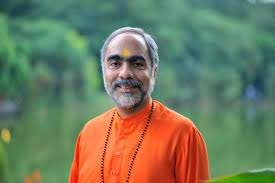
 Auckland, New Zealand – As of March 14, 2025, spiritual leader Swami Swaroopananda, the Global Head of Chinmaya Mission Worldwide, is set to embark on a highly anticipated visit to New Zealand, marking a significant moment for the country’s spiritual and cultural landscape. Scheduled for late March to early April 2025, this tour by the revered monk, known for his practical approach to Vedantic teachings, promises to bring timeless wisdom to a diverse audience. This article explores the latest news on his visit, his rich background, the planned tour itinerary, the values he imparts, potential benefits for attendees, and the relevance of his teachings in today’s world, while critically examining the establishment narrative of spiritual tourism.
Latest News on the Visit
Swami Swaroopananda’s visit to New Zealand was recently confirmed by Chinmaya Mission New Zealand, with an official announcement on March 10, 2025, via their website and social media channels. The tour, his first major engagement in the country since assuming global leadership in 2017, will span key cities including Auckland, Wellington, and Christchurch, with additional stops in smaller towns like Rotorua and Queenstown. Local organizers are finalizing logistics, expecting over 2,000 attendees across events, including a flagship five-day discourse series on the Gayatri Mantra in Auckland from March 28 to April 1. Community leaders highlight the visit’s timing, coinciding with the post-Champions Trophy spiritual reflection period, as a draw for both Indian diaspora and Kiwi seekers. However, specific dates for some events remain tentative, reflecting logistical challenges amid New Zealand’s evolving tourism regulations post-COVID.
Background of Swami Swaroopananda
Swami Swaroopananda, born as Susheel in Hong Kong to a prosperous business family, renounced a thriving career in his youth to pursue spiritual enlightenment. Inspired by Swami Chinmayananda, the founder of Chinmaya Mission, he underwent rigorous monastic training at the organization’s Bombay headquarters in the 1980s. Initially known as Brahmachari Susheel, he rose through the ranks under Swami Tejomayananda’s mentorship, becoming the acharya-in-charge of the Far East before succeeding as Global Head in 2017. Based at Chinmaya Dham in Melbourne since 1995 and later at Chinmaya International Residential School in Coimbatore, he oversees over 300 centers worldwide, including New Zealand. His journey from a business scion to a spiritual luminary, blending Eastern wisdom with modern relevance, has earned him a global following, though critics argue his corporate background may shape a pragmatic, less ascetic approach compared to traditional monks.
Tour Plan in New Zealand
The tour, organized by Chinmaya Mission New Zealand, is designed to engage diverse audiences with a mix of public discourses, workshops, and cultural exchanges. The itinerary includes:
- Auckland (March 28 – April 1): A five-day talk series on the Gayatri Mantra at the Auckland Town Hall, exploring its spiritual significance, with morning sessions (9:00 AM – 12:00 PM) and evening satsangs (6:00 PM – 8:00 PM). A cultural evening on March 30 will feature Maori and Indian performances.
- Wellington (April 2 – 3): A two-day seminar at the Michael Fowler Centre, focusing on “Vedanta for Modern Life,” with interactive sessions for youth and families (10:00 AM – 1:00 PM daily).
- Rotorua (April 4): A half-day visit to Te Puia, including a dialogue with Maori elders on shared values, followed by a public talk on resilience (2:00 PM – 5:00 PM).
- Christchurch (April 5): A community gathering at the Christchurch Town Hall, emphasizing healing post-2011 earthquakes, with a meditation session (3:00 PM – 6:00 PM).
- Queenstown (April 6): A concluding talk on inner peace amidst nature at the Queenstown Memorial Centre (11:00 AM – 2:00 PM), with optional lake-side meditation.
The plan leverages New Zealand’s cultural landmarks, though some speculate the tight schedule may limit deeper engagement, reflecting a trend of prioritizing urban centers over rural areas, a critique often leveled at spiritual tours.
Values He Imparts
Swami Swaroopananda’s teachings are rooted in Vedanta, emphasizing self-awareness, resilience, and universal harmony. He draws from the Bhagavad Gita, advocating “exceeding excellence” through hard work and detachment, as he articulated in a 2017 Kochi address. Key values include:
- Self-Realization: Encouraging individuals to look beyond superficial joys to a higher truth, a message he tailors for youth with relatable analogies.
- Resilience: Inspired by his mentor’s teachings, he promotes adapting to adversity, a theme resonant with New Zealand’s post-disaster recovery narratives.
- Unity: He stresses Vasudhaiva Kutumbakam (“the world is one family”), fostering interfaith dialogue, as seen in his planned Rotorua interaction with Maori leaders.
- Practical Spirituality: Translating ancient scriptures into actionable life skills, he addresses modern challenges like stress and materialism.
Critics note his focus on success-oriented spirituality may align with his business past, potentially diluting the ascetic rigor of traditional Vedanta, a tension worth exploring as his influence grows.
How We Can Benefit
Attendees stand to gain multifaceted benefits from Swaroopananda’s visit:
- Mental Well-being: His meditation and discourse sessions offer tools to manage anxiety, a pressing need in New Zealand’s post-COVID mental health landscape, where 1 in 5 adults report stress (2024 Health Survey).
- Cultural Enrichment: The fusion of Indian Vedantic wisdom with Maori values, especially in Rotorua, could deepen cross-cultural understanding, aligning with NZ’s multicultural ethos.
- Community Building: Events in smaller towns like Queenstown foster local cohesion, potentially boosting volunteerism, a value Chinmaya Mission emphasizes globally.
- Personal Growth: His practical approach equips individuals with skills for leadership and emotional regulation, beneficial in personal and professional spheres.
However, the establishment narrative of “spiritual healing” may overpromise, as benefits depend on individual engagement and the tour’s execution, with some questioning the commercial undertones of ticketed events (ranging $20-$50).
Relevance Today
Swami Swaroopananda’s visit holds profound relevance in 2025’s global context. Amid economic uncertainties and social polarization, his message of resilience and unity addresses New Zealand’s challenges—post-earthquake recovery, Maori-Crown relations, and mental health crises. His emphasis on Vedantic principles aligns with growing interest in mindfulness, with 12% of Kiwis practicing meditation (2024 Stats NZ). In Bharat, his teachings counter divisive narratives, offering a unifying spiritual framework amid political tensions. Trending discussions on X highlight curiosity about his tour’s impact on New Zealand’s Indian diaspora and its potential to bridge cultural gaps, though some skepticism about spiritual tourism’s authenticity persists.
The establishment often frames such visits as cultural diplomacy, but this overlooks the risk of commodifying spirituality or sidelining indigenous voices. His Rotorua dialogue with Maori elders could either enhance or dilute local traditions, depending on execution, a critical nuance NZB News underscores.
Swami Swaroopananda’s upcoming visit to New Zealand, from late March to early April 2025, brings a blend of spiritual wisdom and cultural exchange to Auckland, Wellington, Rotorua, Christchurch, and Queenstown. With a background rooted in renunciation and leadership, his tour imparts values of self-realization, resilience, and unity, offering mental, cultural, and communal benefits. Relevant in today’s turbulent times, his teachings resonate with global and local needs, though the narrative of spiritual salvation warrants scrutiny for its commercial and cultural implications. As NZB News advocates “technology for everyone, empowerment for all,” this visit invites reflection on authentic growth over superficial trends.
Excerpt: Swami Swaroopananda’s March-April 2025 New Zealand tour, starting with a Gayatri Mantra series in Auckland, blends Vedantic wisdom with Maori culture. His values of resilience and unity offer benefits amid today’s challenges, though the hype of spiritual tourism invites critical examination.