



 Vinay Karanam
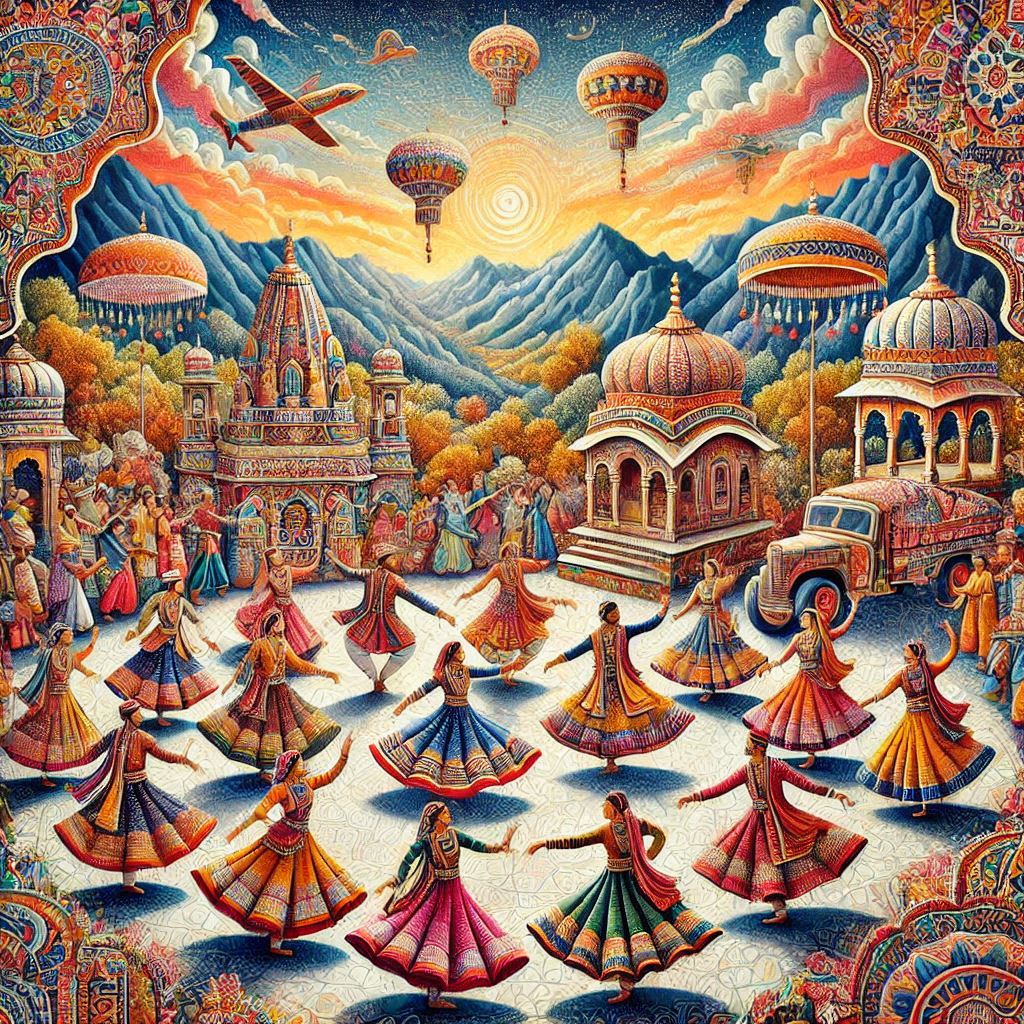
 While classical dances represent Bharat’s refined and codified art forms, its folk dances are a celebration of life, community, and the raw, untamed spirit of its people. These dances, steeped in tradition and locality, are as diverse as the land itself. Performed during festivals, harvests, weddings, and other community gatherings, they reflect the rich cultural mosaic of Bharat, where every region tells its unique story through rhythm and movement.
In this sixth article of the “Bharat Is Not for Beginners” series, we dive into the colourful world of Bharat’s folk dances, exploring their origins, diversity, and cultural essence.
The Essence of Folk Dances
Folk dances in Bharat are spontaneous, energetic, and often communal. They are not bound by rigid rules like classical dances but instead thrive on improvisation and group participation.
- Celebration and Rituals: Many folk dances are tied to agricultural cycles, religious festivals, and social ceremonies, serving as a collective expression of joy and gratitude.
- Costumes and Music: Vibrant costumes and traditional instruments, such as the dhol, ektara, and flute, add to the visual and auditory spectacle.
- Themes: Stories of love, valor, devotion, and daily life are central to these dances, making them accessible and relatable to the masses.
Folk Dances Across Bharat
North India
- Bhangra (Punjab): A high-energy dance performed during harvest festivals, especially Baisakhi. The lively movements and beats of the dhol encapsulate the joy of a successful harvest.
- Ghoomar (Rajasthan): Performed by women in swirling skirts, Ghoomar is a graceful dance that celebrates femininity and community bonding.
- Rouf (Kashmir): A traditional dance of Kashmiri women, Rouf features synchronized footwork and poetic songs, often performed during Eid and spring festivals.
West India
- Garba and Dandiya Raas (Gujarat): These circular dances are performed during Navratri, with participants dressed in colorful attire, dancing to devotional songs and rhythmic claps or sticks.
- Lavani (Maharashtra): A blend of song and dance, Lavani is known for its sensuous movements and storytelling, often reflecting social themes.
East India
- Bihu (Assam): Performed during the Assamese New Year, Bihu is a vibrant dance celebrating fertility, love, and the joy of spring.
- Chhau (Odisha, Jharkhand, West Bengal): A semi-classical dance form, Chhau incorporates martial arts and mythological themes, with performers donning elaborate masks.
- Jhumar (Jharkhand): A soulful dance celebrating nature and community, often accompanied by folk songs and simple, rhythmic movements.
South India
- Karagattam (Tamil Nadu): A devotional dance performed in praise of the rain goddess Mariamman, involving intricate movements while balancing a pot on the head.
- Pulikali (Kerala): A unique tiger-dance performed during Onam, where dancers paint themselves as tigers and mimic their movements to the beat of drums.
- Yakshagana (Karnataka): A theatrical folk dance that narrates epics like the Ramayana and Mahabharata, featuring elaborate costumes and powerful storytelling.
Central India
- Gaur Maria (Chhattisgarh): A tribal dance performed by the Maria Gonds, depicting hunting scenes and celebrating nature.
- Tertali (Madhya Pradesh): Performed by the Kamar tribe, this dance involves intricate hand and body movements while balancing cymbals.
Cultural Significance of Folk Dances
Folk dances are not just artistic expressions but also vital cultural practices that preserve the identity and heritage of their communities.
- Storytelling and History: These dances often narrate tales of local legends, epics, and historical events, passing them down through generations.
- Unity in Diversity: Despite regional variations, folk dances unite people by celebrating shared joys and traditions.
- Connection to Nature: Many dances honor natural cycles, seasons, and deities, reflecting Bharat’s harmonious relationship with nature.
Challenges and Revival Efforts
In modern times, urbanization and globalization pose challenges to the survival of folk dances. However, efforts are underway to preserve and promote these traditions:
- Cultural Festivals: Events like Surajkund Mela and state-sponsored fairs provide platforms for folk artists.
- Academic Documentation: Universities and cultural organizations are documenting folk traditions to ensure they are not lost to time.
- Media and Global Platforms: Increasingly, folk dances are finding audiences beyond Bharat through performances and digital media.
Excerpt
Bharat’s folk dances are a testament to its rich cultural diversity and the resilience of its traditions. They embody the spirit of celebration, community, and storytelling, keeping alive the vibrant essence of Bharat’s heritage.
In our next article, we will journey into the culinary traditions of Bharat, exploring the spices, flavors, and rituals that make its cuisine a sensory masterpiece. Stay with us as we continue unraveling the multifaceted identity of Bharat.