 Vinay Karanam
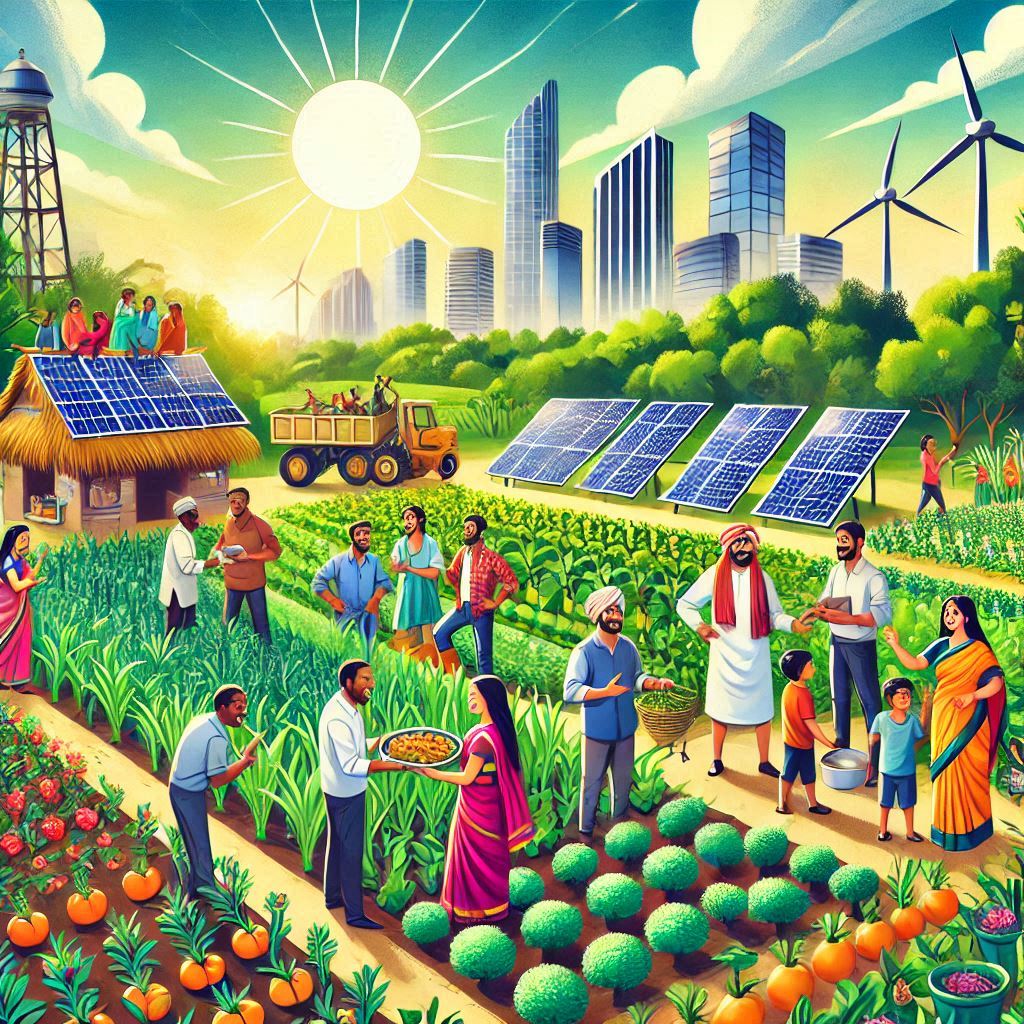
 New Delhi, India – India’s agricultural sector is undergoing a transformation, driven by innovative technologies and sustainable practices. These advancements are not only boosting productivity but also ensuring food security and environmental sustainability in the face of climate change and population growth.
One of the most notable innovations is the adoption of precision farming techniques. By using data analytics, satellite imagery, and Internet of Things (IoT) devices, farmers can optimize the use of resources such as water, fertilizers, and pesticides. This targeted approach minimizes waste and enhances crop yields, leading to more efficient and sustainable farming.
In addition, the introduction of drought-resistant and high-yield crop varieties has been a game-changer for Indian agriculture. Scientists at the Indian Agricultural Research Institute (IARI) have developed new strains of crops that can withstand extreme weather conditions, reducing the risk of crop failure and ensuring a stable food supply.
The government is also playing a crucial role in supporting agricultural innovation. Initiatives like the Pradhan Mantri Krishi Sinchayee Yojana (PMKSY) aim to improve irrigation infrastructure, ensuring that water reaches every farm. The Digital India initiative is helping farmers access real-time information on weather, market prices, and best farming practices through mobile apps and online platforms.
Sustainable practices such as organic farming and integrated pest management (IPM) are gaining traction among Indian farmers. These methods reduce the dependence on chemical inputs, promote soil health, and enhance biodiversity. By adopting eco-friendly practices, farmers are contributing to environmental conservation and producing healthier food.
The use of renewable energy in agriculture is another significant development. Solar-powered irrigation systems and biogas plants are reducing farmers’ reliance on conventional energy sources and lowering their carbon footprint. This shift towards green energy is not only cost-effective but also aligns with India’s commitment to combating climate change.
Dr. Meera Singh, an agricultural expert, highlighted the importance of these innovations: “The integration of technology and sustainable practices in agriculture is crucial for ensuring food security in the long term. India’s efforts in this direction are commendable and can serve as a model for other developing nations.”
As India continues to embrace agricultural innovations, the future looks promising. The combination of advanced technologies, government support, and sustainable practices is set to transform Indian agriculture, ensuring a resilient and secure food system for generations to come.