 Genevieve Montgomery
 On a winter Saturday in the Waikato, a century‑old community knelt in the mud and planted a thousand trees that will outlive everyone who touched them
I. The valley woke at half past seven
There is a particular quality to a Waikato winter morning that no photograph has ever managed to hold. The dark comes off the hills reluctantly, like a blanket pulled from a sleeping child. Mist pools in the gullies and lies there, patient and pale, until the sun finds the courage to lift it. The paddocks are the deep, saturated green that only comes after rain, and the air tastes of wet clay, cold grass and woodsmoke drifting from some chimney a valley away.
At 166 Waikaretu Valley Road, Glen Murray, on Saturday 8 August 2026, that morning did not belong to the silence.
By half past seven the gate was busy. Utes and station wagons and a good many sensible sedans came nosing down the metal road from Tuakau and Te Kauwhata, from Hamilton and Pukekohe, from Auckland’s southern suburbs where the motorway finally lets go of you and the country begins. Doors slammed. Somebody’s aunty was handing out gloves she had bought in bulk. Somebody’s uncle was insisting, against all available evidence, that he did not need a walking stick. Steam rose off the breakfast urns — the good smell of chai and coffee and hot food in cold air — and over it all ran the particular music of a community that has known one another for generations, greeting one another at an hour when sensible people are still asleep.
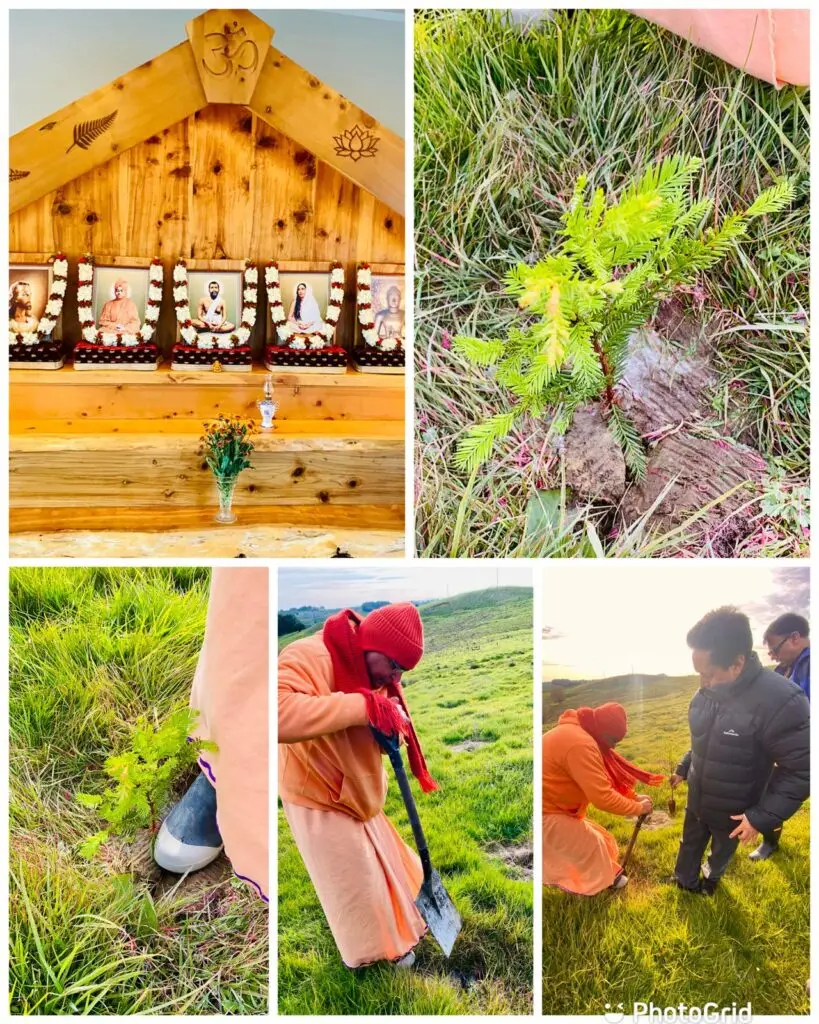
Waiting on the site — already delivered, already counted, already impatient — were one thousand redwood seedlings.
Small things. Barely knee‑high. Soft, feathery, fern‑green needles on stems no thicker than a finger. You could carry ten of them under one arm without complaint.
You would not have guessed, looking at them, that you were holding the tallest living things this planet has ever grown.
II. What a redwood actually is
To plant a redwood is to make a promise you cannot personally keep.
Sequoia sempervirens — the coast redwood — is the species that holds the world record for height. The tallest known individual, a tree named Hyperion hidden in northern California, stands at roughly 116 metres. That is taller than the Sky Tower’s main observation deck. Taller than any cathedral spire raised in medieval Europe. A living organism that has quietly, patiently, without machinery or ambition, out‑built every architect in human history.
The second half of its name is the part that ought to stop you: sempervirens. Ever‑living. Ever‑green.
These trees routinely pass two thousand years. Some are older. A redwood standing today in a Californian valley may have been a sapling while the Roman Empire was still expanding, may have been a mature tree when Polynesian navigators first raised the long white cloud of Aotearoa on the horizon, and may still be standing, unhurried, when everyone alive today has been forgotten by name.
They achieve this longevity through a set of gifts that reads almost like a design brief for immortality. Their bark grows up to thirty centimetres thick — spongy, fibrous, drenched in tannins that insects and fungi find unpalatable and that fire struggles to consume. When wildfire sweeps the forest floor, the redwood is often scorched but not slain; it wears its scars as a hollow at the base and simply keeps growing. When it is cut, it does not merely die. It sprouts. New stems rise from the burl and the stump in a ring around the parent, and in time those become a circle of full‑grown trees — what Californians call a fairy ring, a family of clones standing in council around the memory of the tree that made them.
But the most moving thing about a redwood is underground, and it is the reason this particular story belongs to this particular community.
A redwood has no taproot. Nothing anchors it to the deep earth. A tree three hundred feet tall, weighing hundreds of tonnes, holding an entire ecosystem in its crown, stands on a root plate that reaches barely three or four metres down. By every rule of engineering it ought to topple in the first serious gale.
It does not topple, because redwoods do not stand alone. Their roots run outward rather than downward, spreading thirty metres and more, and they interlace — physically braiding themselves into the root systems of their neighbours. A grove of redwoods is a single, stitched fabric of anchorage. Each tree is held upright by the trees around it, and holds them upright in return. Fell the grove and leave one giant standing on its own, and the next storm will take it.
They survive for millennia for one reason. They hold on to each other.
You could look for a hundred years and not find a better emblem for what a diaspora community is, and does, and must keep doing.
III. Why Aotearoa is the strangest and most generous home a redwood ever found
Here is a fact that startles most New Zealanders and quietly outrages a certain kind of Californian: redwoods grow faster here than they do in the land that made them.
The story begins in 1901, in a young colony with a nervous eye on its timber future. The native forests — kauri, tōtara, rimu — were being felled at a rate that even the most bullish settler could see was unsustainable. So the Crown began an experiment at Whakarewarewa, on the outskirts of Rotorua. Seed was brought in by sailing ship from all corners of the globe, and something in the order of 170 different species was planted out to see which could live here, and which might thrive.
Most were a disappointment. A handful were interesting. One was a revelation.
The Californian redwoods planted in that trial took to the Bay of Plenty as though they had been waiting centuries for someone to invite them. Rich volcanic soils, high and reliable rainfall, a mild maritime climate with a long growing season, and the near‑total absence of the pests and pathogens that had co‑evolved to trouble them at home — all of it conspired in their favour. The largest tree in that grove now stands at around 72 metres with a diameter of some 169 centimetres, and it has done that in roughly 125 years. In their native range, redwoods of comparable stature are commonly reckoned to be several times that age.
That grove — the Redwoods, Whakarewarewa — is today one of the most beloved forests in the country. Hundreds of thousands of people walk beneath it every year; there is a treewalk strung through the canopy on suspension bridges, and at dusk lanterns glow among the branches. Almost nobody who visits realises they are standing inside a forestry experiment that was, by the standards of its day, something of a punt.
New Zealand’s advantage did not stop being interesting in 1901. Redwood is now taken seriously here as a productive species in its own right, with selected Californian clones trialled and propagated for growth and form, and with a small but committed community of farm foresters and researchers who believe this country may end up doing something with redwood that redwood’s homeland never quite managed.
There is a climate dimension too, and it is not a small one. Redwoods are extraordinary accumulators of carbon — dense, durable wood laid down fast and held for centuries. Under the Emissions Trading Scheme, qualifying forest can be registered and that sequestration recognised; redwood’s combination of rapid early growth and near‑indefinite lifespan makes it a genuinely compelling proposition for permanent and continuous‑cover forestry, not merely as a crop but as a carbon reservoir intended to be left standing.
Strip away the economics, though, and something simpler remains. This country has an unusual moral relationship with trees. We are a people who nearly lost our forests and have spent a century learning what that cost. We plant on Arbor Day and at funerals and after floods. We name trees, mourn them when they fall, and argue passionately about them at council meetings. Tāne Mahuta is not a tourist attraction to New Zealanders; he is a personage.
Into that culture the redwood arrived as a magnificent guest and quietly became a naturalised citizen — an immigrant species that put down roots in generous soil, grew faster and taller than it ever had at home, and gave back more than it took.
If that narrative sounds familiar, hold the thought. It is about to become the whole point.
IV. NZICA: one hundred years of holding on to each other
The New Zealand Indian Central Association was formed in 1926 with three branches: Auckland, Wellington, and what was then called the Country Section, based at Taumarunui.
Read that founding date again, and then read this one: 1926 was also the year the White New Zealand League was formed at Pukekohe, expressly organised to agitate against Indian and Chinese market gardeners who had the temerity to work hard and succeed on land the League felt should be reserved for others.
The Association was not born into a welcome. It was born into a headwind.
The New Zealand of that era operated a “White New Zealand” policy supported by a scaffolding of restrictive statutes, licensing rules, permit systems and social conventions designed to make life difficult and dignity scarce for those of Indian descent. Indian New Zealanders — many of them Gujarati and Punjabi families who had come as sojourners and stayed as settlers — worked as market gardeners, small retailers, labourers, hawkers, flax cutters, bottle collectors. They were taxed, tolerated, and told where they might sit in the picture theatre.
Against that, in 1926, a handful of them did something quietly radical. They organised. They formed a national body so that no one family, no one shop, no one gardener at Pukekohe or Taumarunui or Newtown would ever again have to stand alone in the storm.
They interlaced their roots.
What followed is one of the great under‑told New Zealand stories: a century of patient, unglamorous, deeply effective advocacy. Petitions and deputations. Test cases and legal fees. The slow, grinding work of persuading a country to change its mind about its own citizens. NZICA campaigned on immigration and family reunification, on citizenship, on trading rights, on the everyday indignities that never make the history books but shape entire lives. In time it became the recognised national voice of the community — so much so that during diplomatic strain between New Zealand and India in the 1980s, the Association found itself acting as a bridge between governments.
Alongside the advocacy ran the culture: the sports tournaments that have knitted the community together for generations and turned Easter weekends into pilgrimages, the language classes, the youth wings, the dance schools, the hall committees, and the endless work of aunties and uncles who cooked for four hundred people and never once put their names on anything.
Today NZICA stands as the only national Indian organisation in New Zealand — an umbrella body under which regional associations from Auckland to Wellington, Waikato to Taranaki, along with Punjabi, Kannada, Bengali and many other cultural bodies, gather as members and associate members. It speaks for a community now numbering well over 350,000 people. Indian New Zealanders are among the country’s largest and fastest‑growing communities: in the surgeries and the courtrooms, on the construction sites and behind the dairy counters, in Parliament, in the labs, in the cricket teams, in the kitchens that changed how this whole country eats.
From three branches and a headwind, to a canopy over a third of a million people.
The tree metaphor is not decoration. It is simply an accurate description of what happened.
V. What the centenary year was really about
The centenary was launched on 28 February 2026 with a curtain‑raiser at Cordis in Auckland — a room containing the Prime Minister, Christopher Luxon, alongside Ministers, Members of Parliament, Auckland Mayor Wayne Brown, and India’s High Commissioner, Dr Neena Malhotra. A commemorative film traced the arc from hardship to belonging. Life Members were honoured. Students of Anuradha’s School of Indian Dances performed Vande Mataram, and a hundred years of struggle briefly took the shape of a song.
NZICA President Veer Khar spoke that evening, it was reported, with both pride and humility — which is exactly the right register, because a centenary is a peculiar kind of anniversary. It is too large to be merely a party and too solemn to be merely a meeting. A hundred years is the outer limit of living memory. There is no one left who was in the room in 1926. Everything from that founding survives only as story, as minute book, as photograph, as inherited instruction.
So a centenary year asks a community three questions, and the whole programme of celebration is really an extended attempt to answer them.
Who were we? Hence the film, the archives, the honouring of elders, the deliberate act of naming the discrimination that was endured rather than politely forgetting it. You cannot celebrate a hundred years of resilience without saying plainly what was resisted.
Who are we now? Hence the awards, the recognition across business, medicine, law, sport, service and the arts — a community taking honest stock of its transformation from the margins to the mainstream, and refusing to be embarrassed about how far it has come.
And who will we be? That is the hard one. That is the question a gala dinner cannot answer, because a gala dinner ends at midnight, the plates get cleared, and by Tuesday it is a nice memory and a slideshow.
There is only one way to answer the third question honestly. You have to do something that does not finish. You have to make a gift to people you will never meet.
Which is how a hundred‑year‑old organisation came to spend a winter Saturday in a valley in the Waikato, with a thousand small green things in bags.
VI. Sixteen thousand six hundred, and counting
Here is the detail that lifted the day from a symbolic gesture into something with real weight: the NZICA planting did not start a project. It joined one already well underway.
The site at Waikaretu Valley Road forms part of a substantial environmental restoration effort that had already put 16,600 trees into the ground. That is not a photo opportunity. That is years of somebody’s weekends, somebody’s diesel, somebody’s aching back. It is fences and pest control and releasing and replacing the ones that did not take. It is the deeply unromantic labour that all genuine environmental work turns out to be made of.
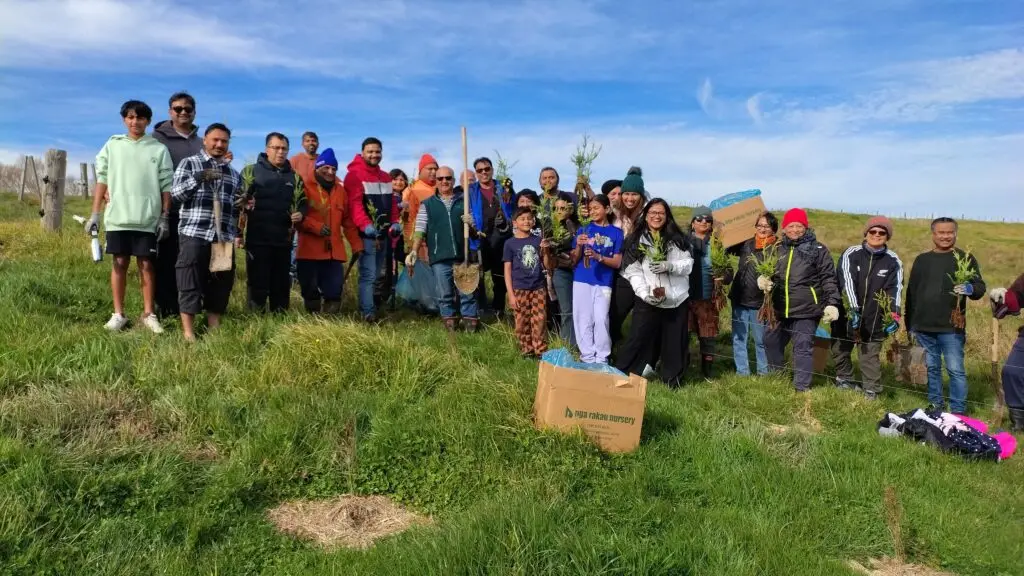
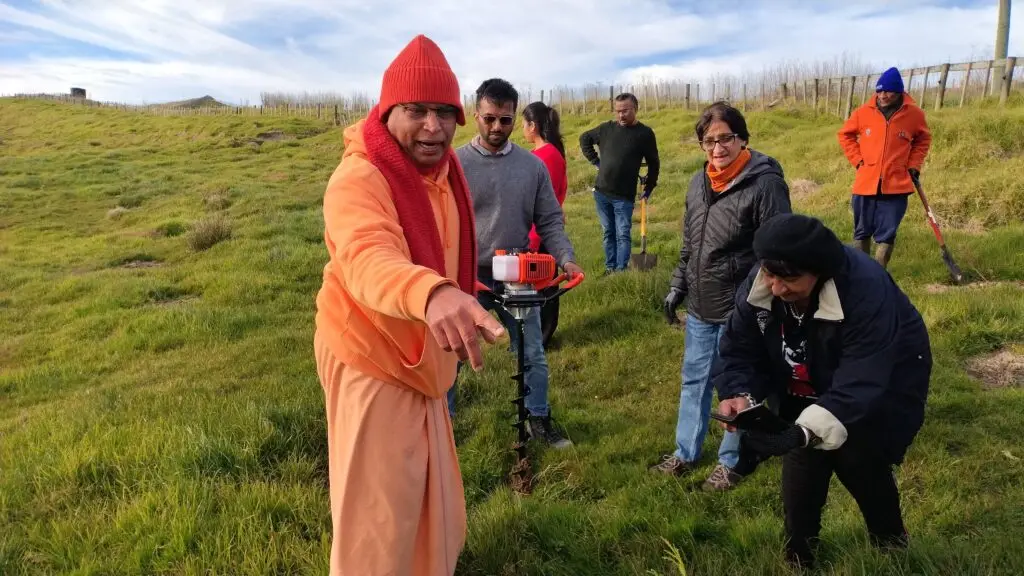
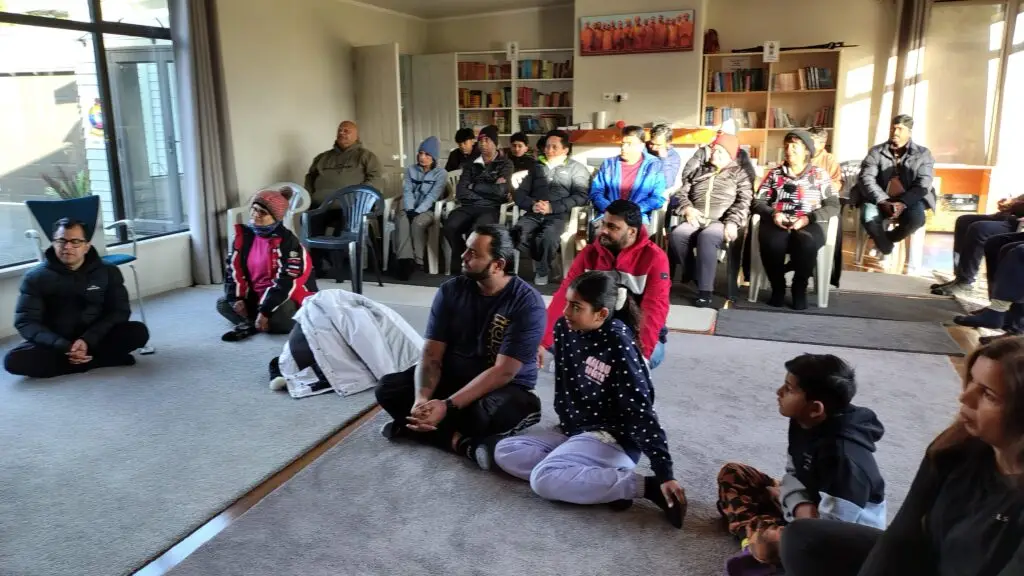
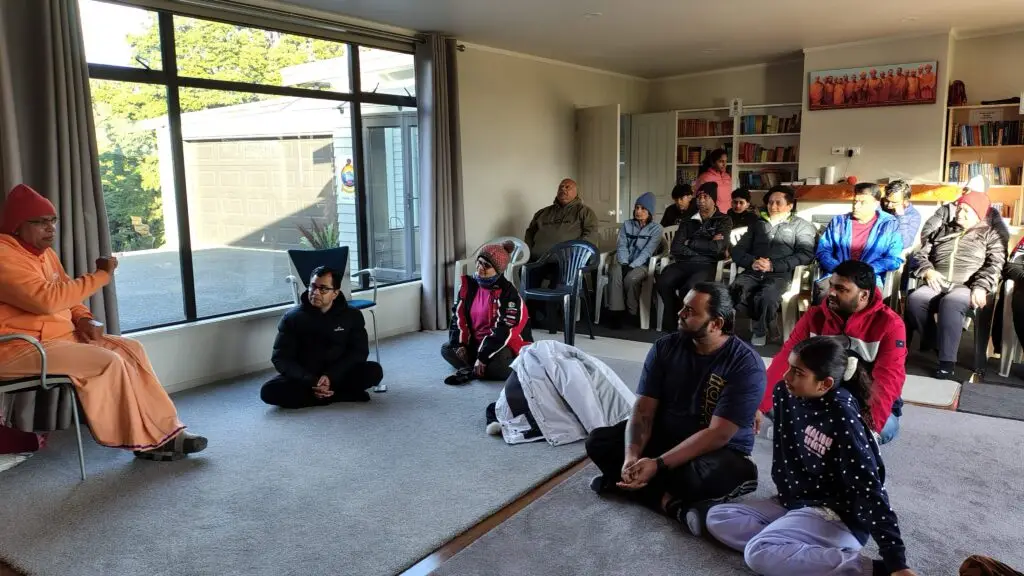
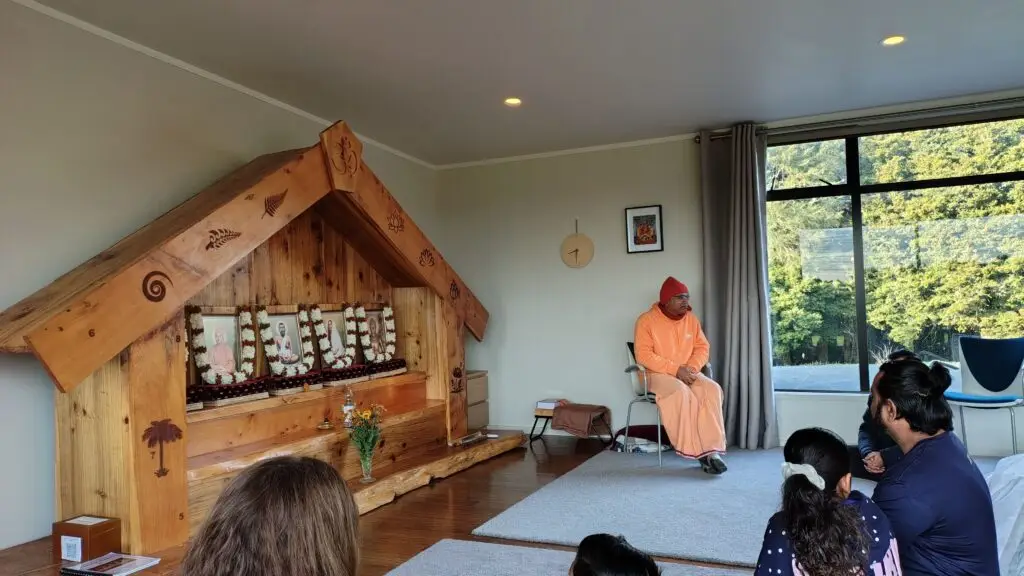
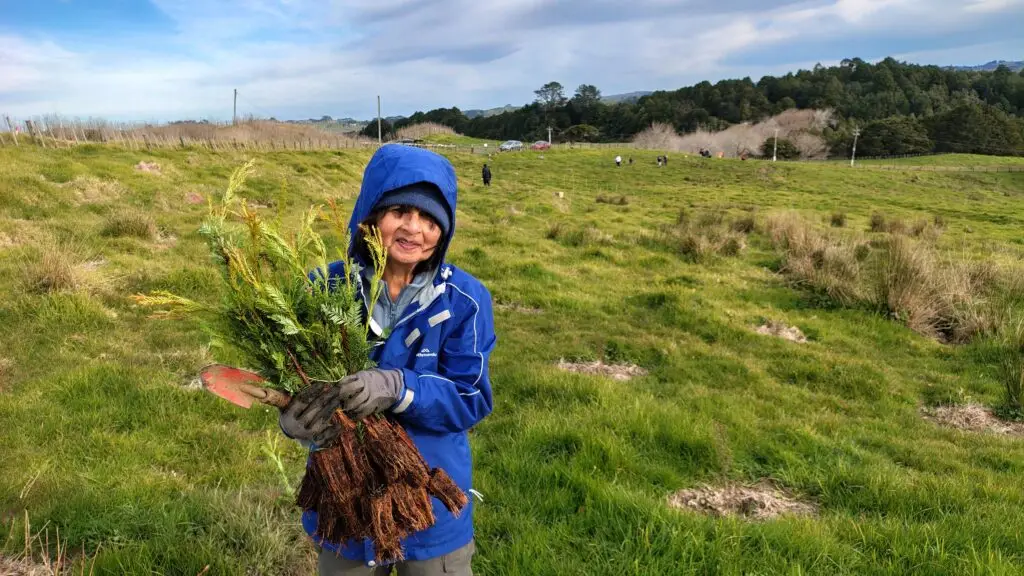
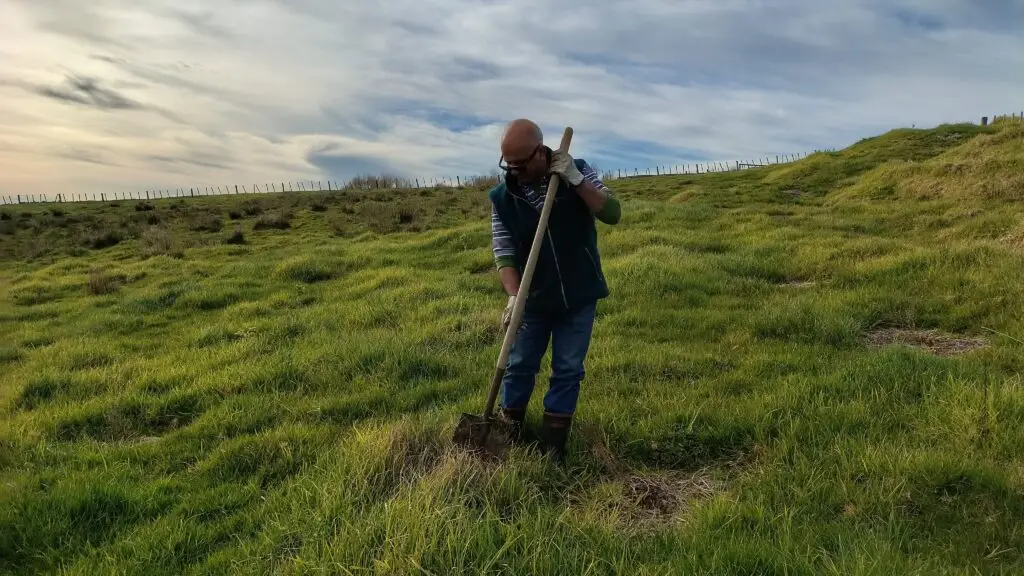
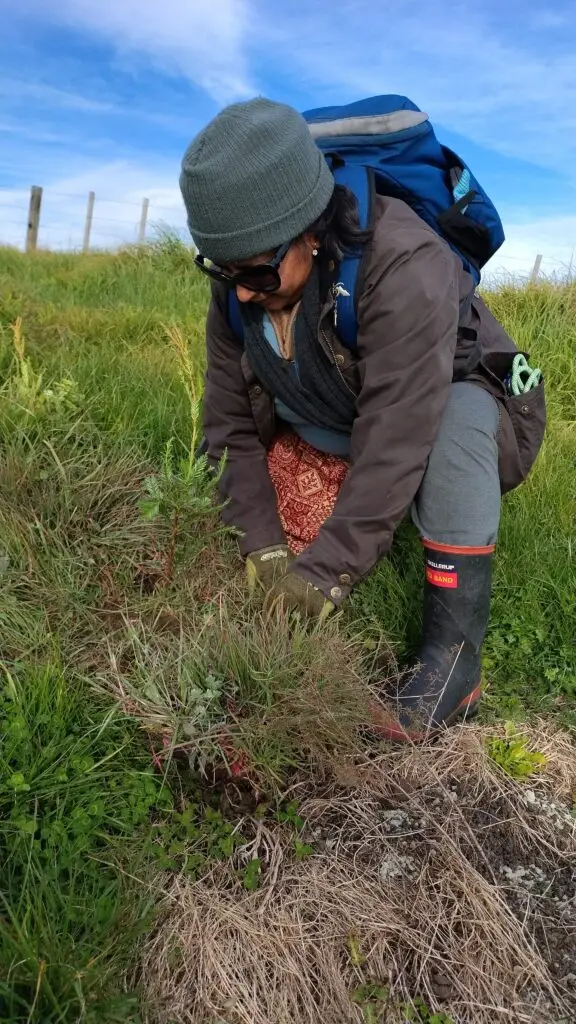
The Association’s thousand redwoods lifted that tally toward 17,600.
There was a pleasing arithmetic hiding in the figure, too. One thousand trees for one hundred years is ten trees for every year the Association has existed. Ten trees for 1926, when three branches banded together. Ten for 1943 and ten for 1972 and ten for the year somebody’s grandmother finally had her family reunification approved. Ten trees for every twelve months of persistence.
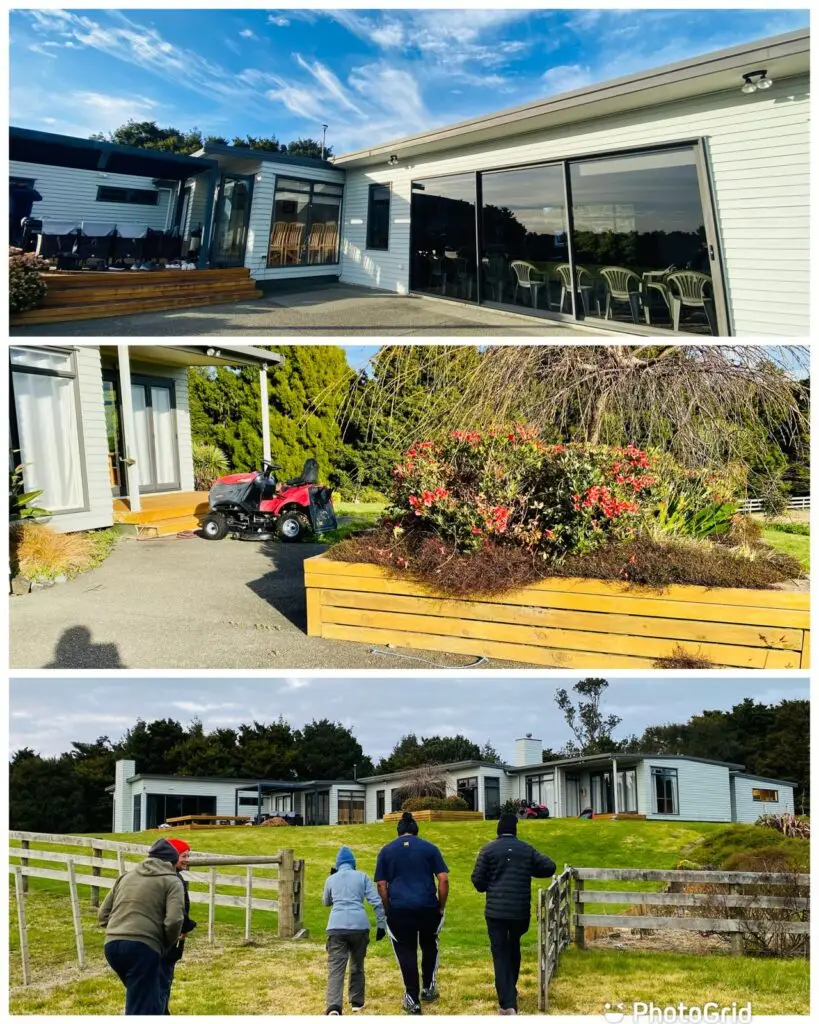
And the country it happened in deserves its own mention. Waikaretu is western Waikato hill country — limestone bones beneath a green skin, steep faces, bush gullies, and the Waikaretu Stream running down through it all toward the coast. This is the district that hides Nikau Cave, a glowworm cave in the limestone that people drive from Auckland to see. It is the sort of landscape that looks soft from the road and turns out to be honest work underfoot.
In a hundred and fifty years, if those redwoods are given what they need, this valley will hold a cathedral. Columns the colour of rust and cinnamon rising sixty, seventy metres. Light coming down in shafts through a canopy so high it seems to belong to different weather. That particular hush people always describe in redwood groves and never quite manage to explain — the acoustic of a room built by patience.
Somebody’s great‑great‑granddaughter will walk into it, and she will not know a single name of the people who put it there.
They planted it anyway. That was the whole idea.

VII. Why the elders went first
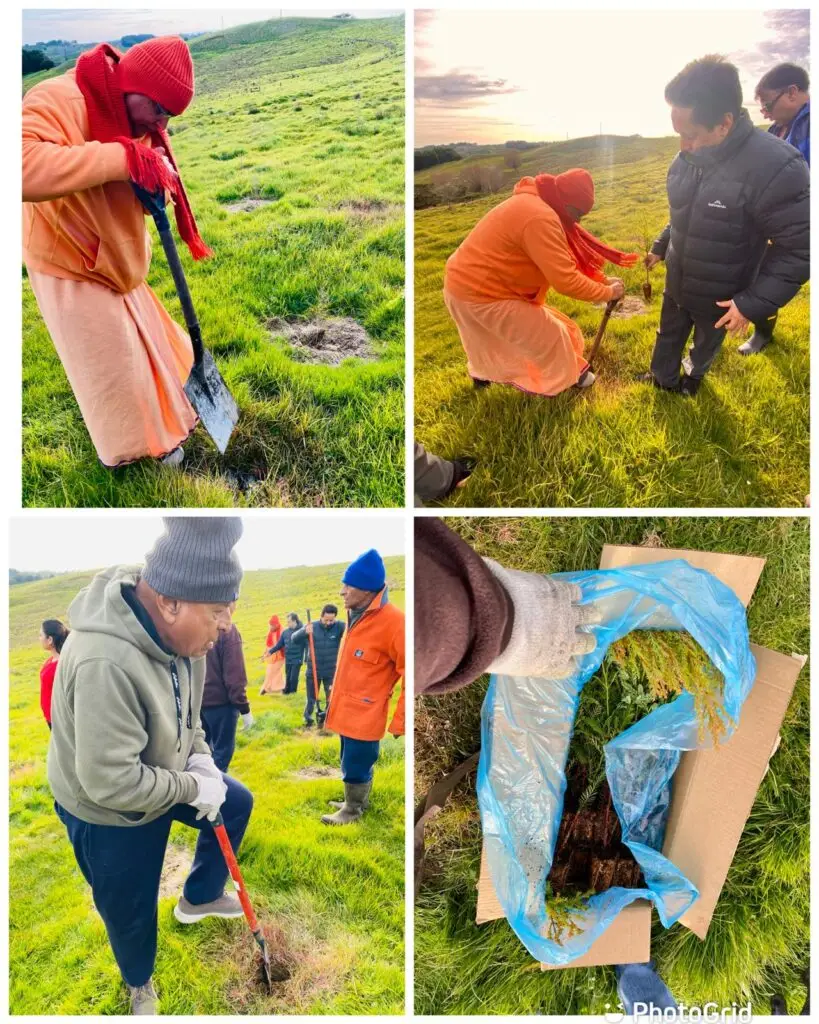
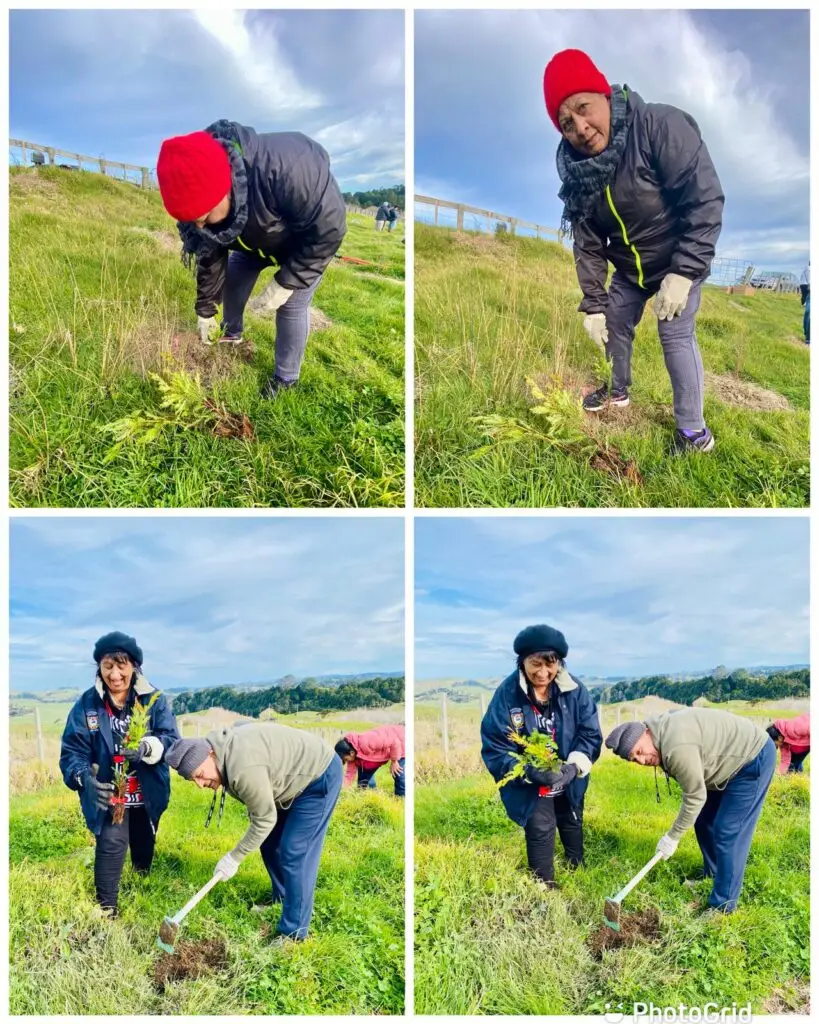
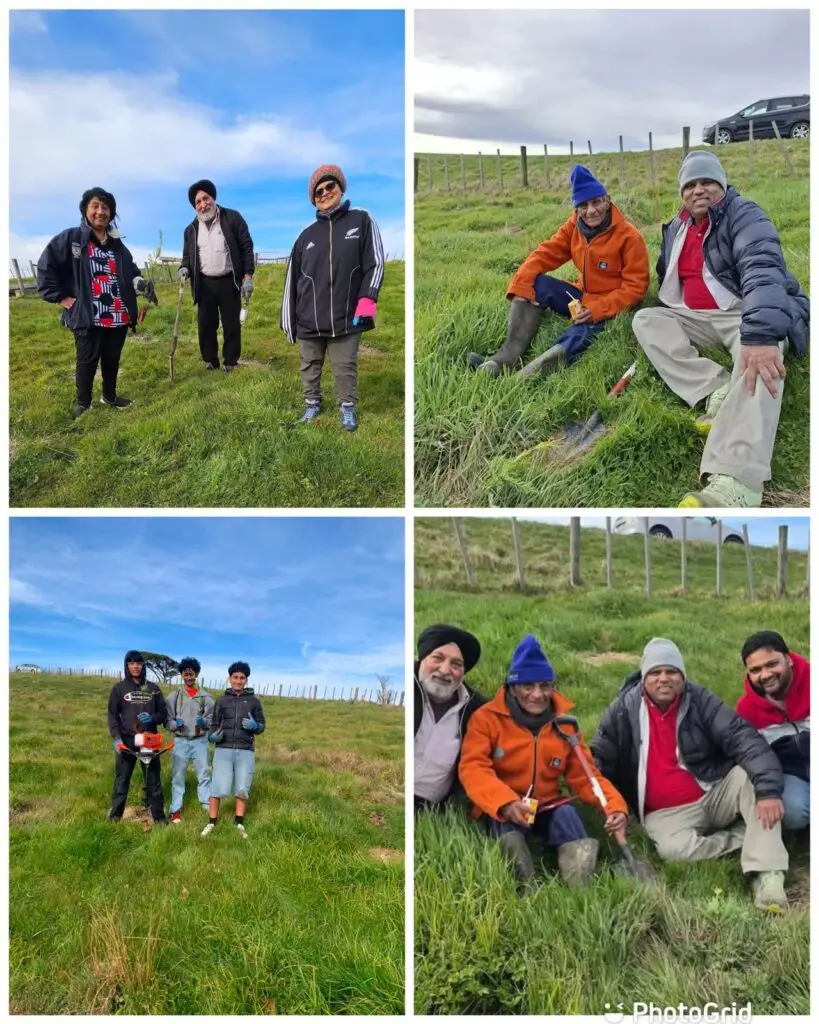
The invitation had made a specific and rather beautiful point of it: seniors are particularly welcome to plant a tree and leave a lasting legacy for future generations.
Read plainly, that is a slightly awkward sentence. Read properly, it was the emotional core of the entire day.
Because there is something almost unbearably tender about asking a person in their eighties to plant a tree that will not reach its full glory for eight hundred years. It is an act with no possible personal return. No one plants a redwood at eighty‑five for the shade.
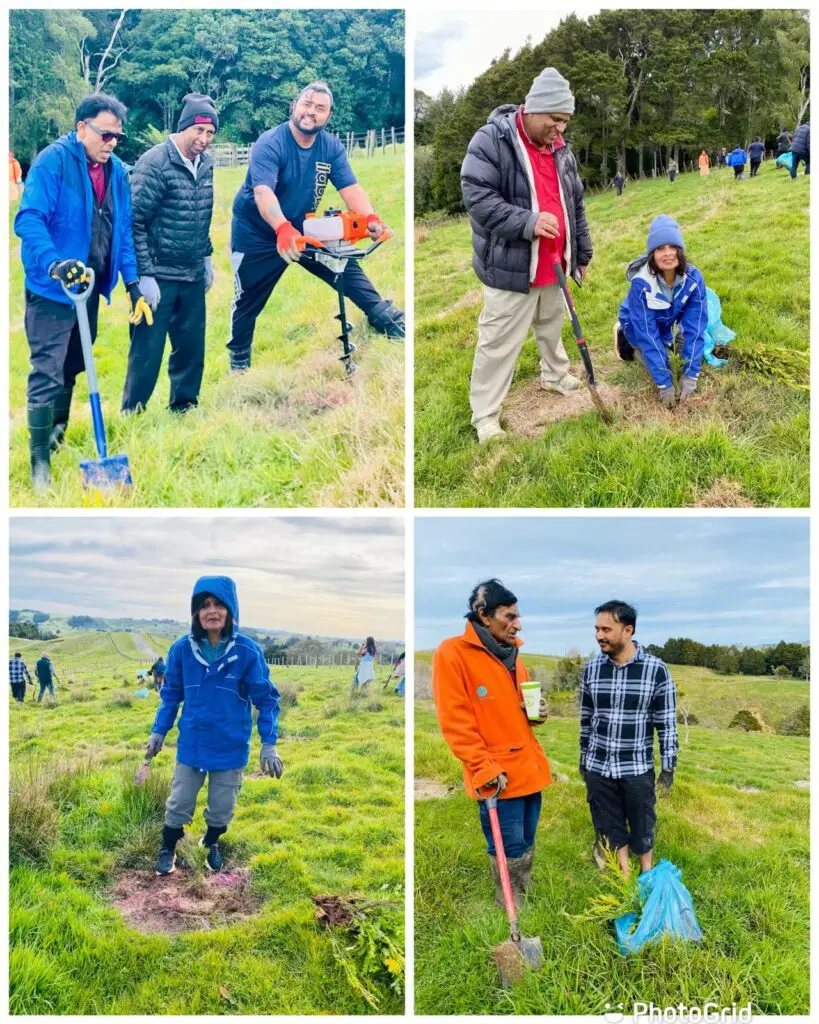
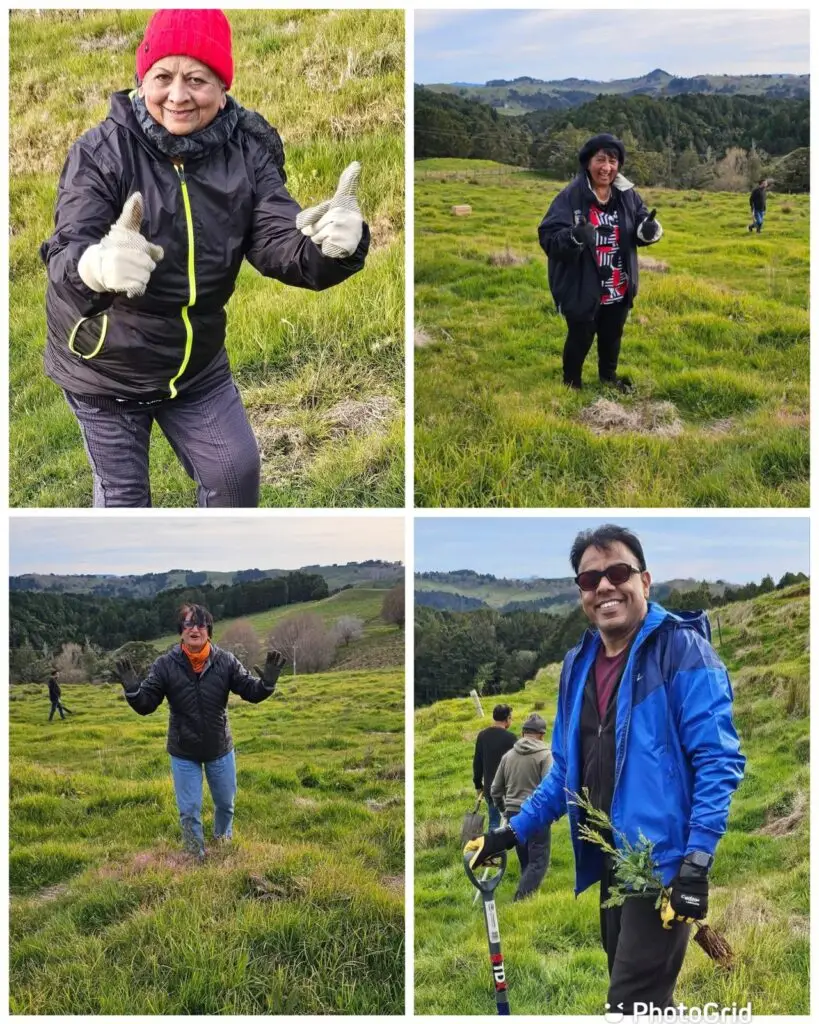
But these were precisely the hands that ought to have gone into that soil first, and on Saturday they did. Many of the elders who knelt at Waikaretu arrived in this country when it had not yet decided whether it wanted them. Some came as children on ships. Some were born here to parents who had been told, in a hundred small ways, that they did not fully belong. They ran the fruit shops and the dairies and the gardens. They filled out the forms and paid the fees and stood in the queues. They built halls and temples and gurdwaras and mandirs, they sat on committees for decades, they raised children who became doctors and engineers and members of Parliament, and they did the vast, invisible, uncomplaining work of turning a foreign country into a home.
They had been planting trees they would never sit under for their entire lives.
On Saturday, someone simply made it literal, and handed them a spade.
There is an old proverb, worn smooth by use but no less true for it: a society grows great when old men plant trees in whose shade they know they shall never sit. On 8 August, in a cold Waikato paddock, that proverb stopped being a proverb and became an event with a start time and a catering plan.
The grandchildren were there too, which mattered just as much. A child of seven who knelt beside her grandfather in the mud, got her hands filthy, pressed a redwood seedling into the earth and heard him say this one is ours will carry that morning for the rest of her life. She will bring her own children back. She will point and say: my grandad planted that. And the tree, being a redwood, will still be barely getting started.
That is how a community makes a memory that cannot be lost — by anchoring it to something that outlasts the people who made it.
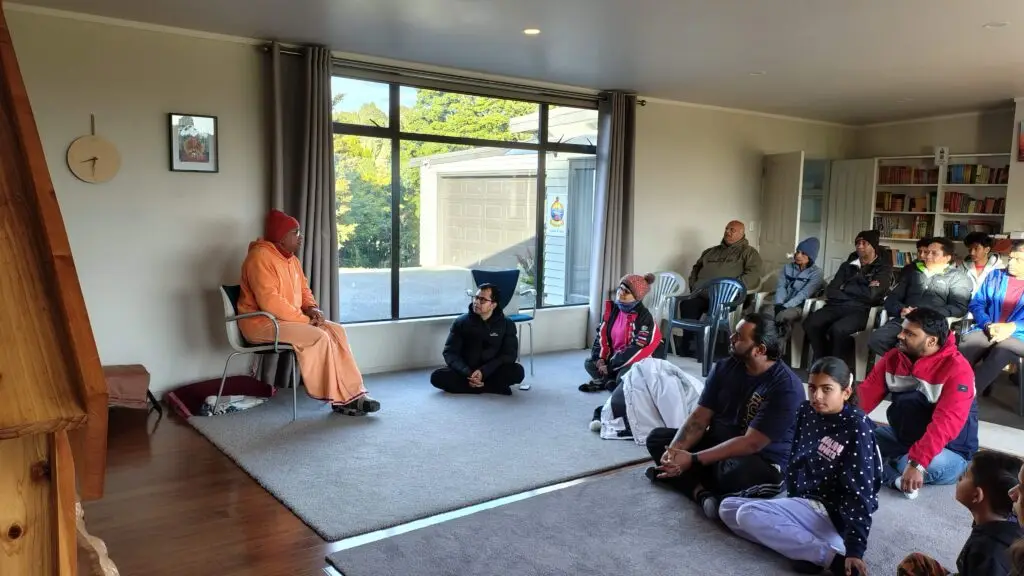
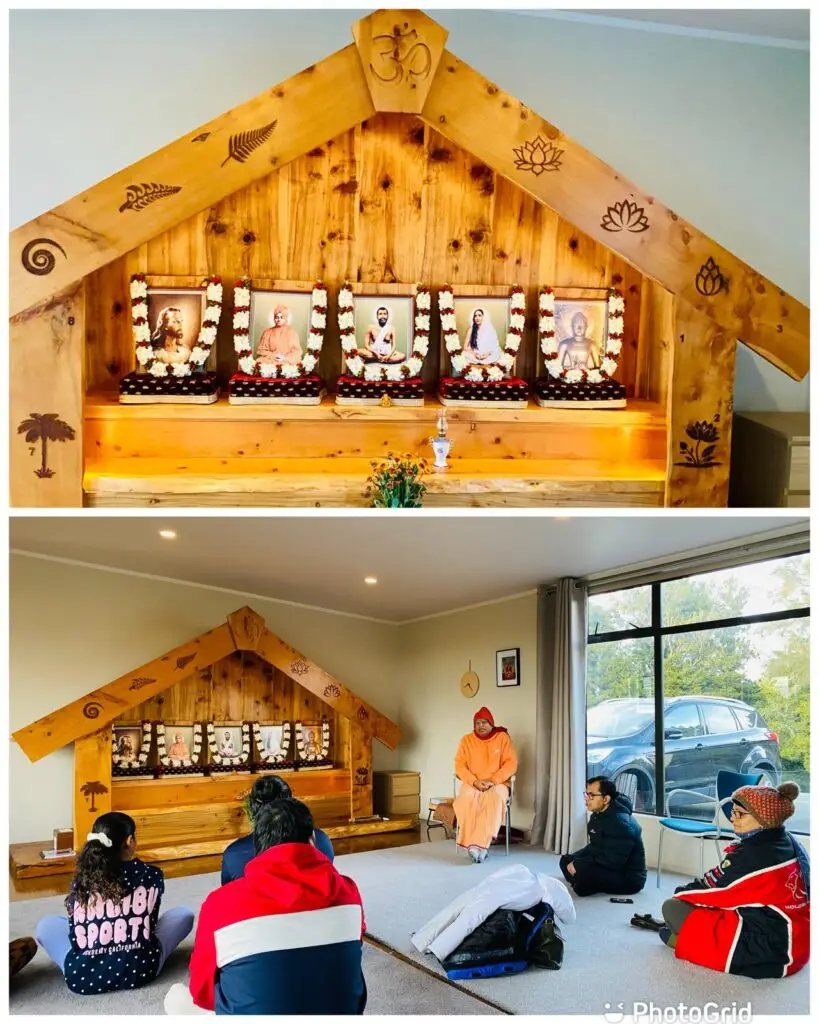
Truly Feeling Blessed and Grateful to take part in this Milestone 1000 Tree Planting at Vedanta Retreat Thank You to Swamiji and all that made the day special
Nanette Nathoo, QSM, Life Member, NZICA
VIII. The shape of the day
It went the way these days always go, which is to say it went better than anyone had any right to expect.
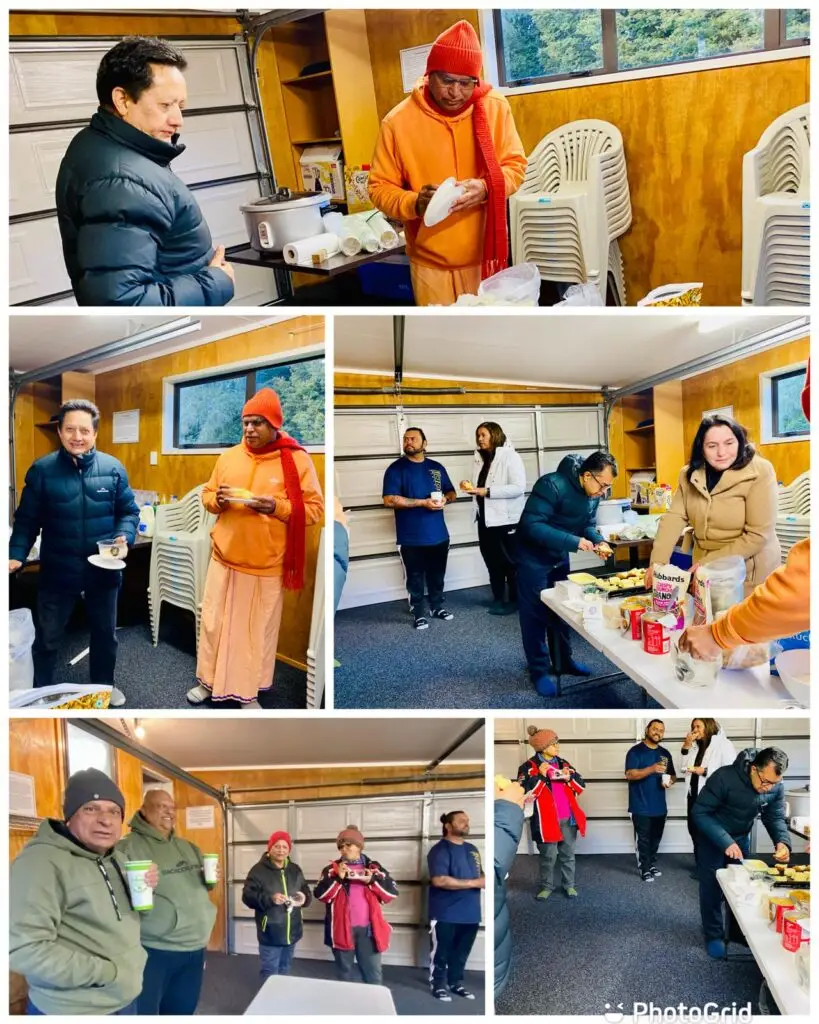
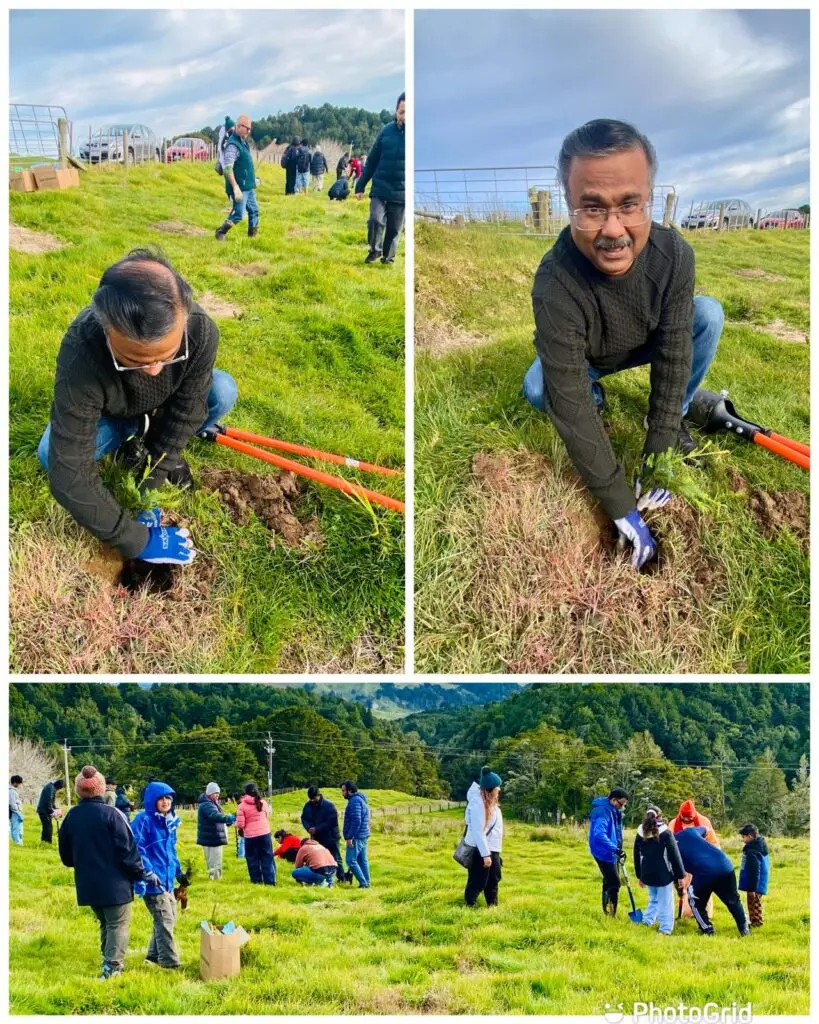
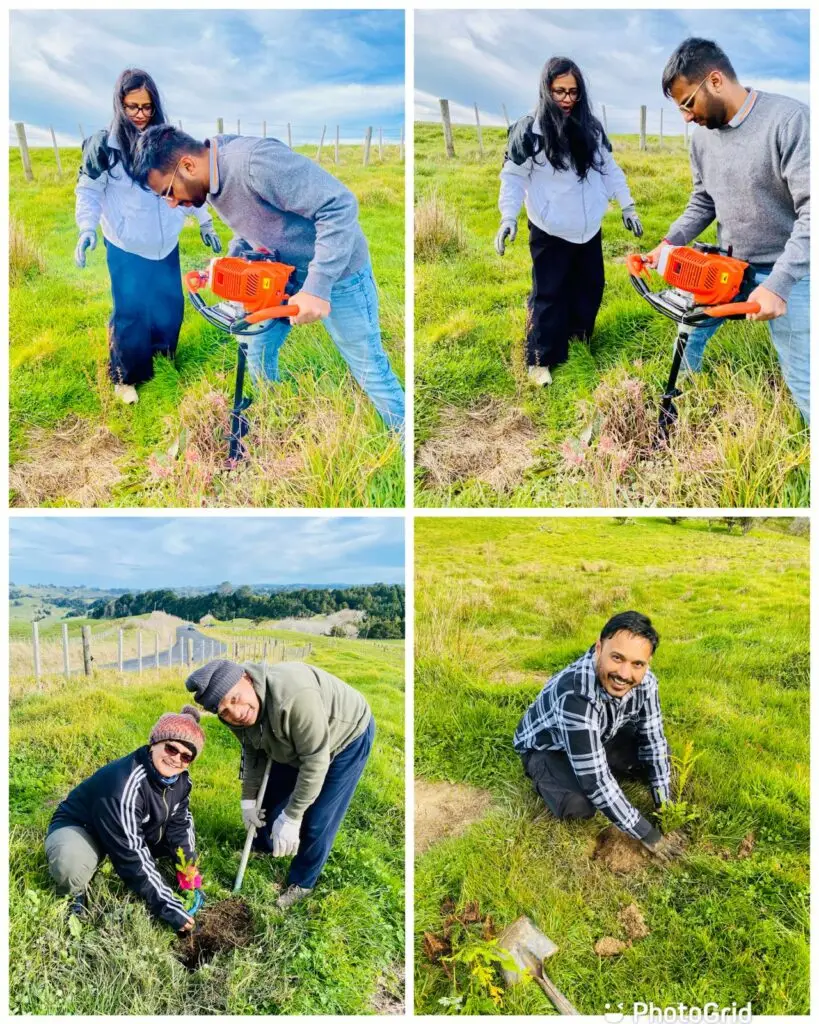
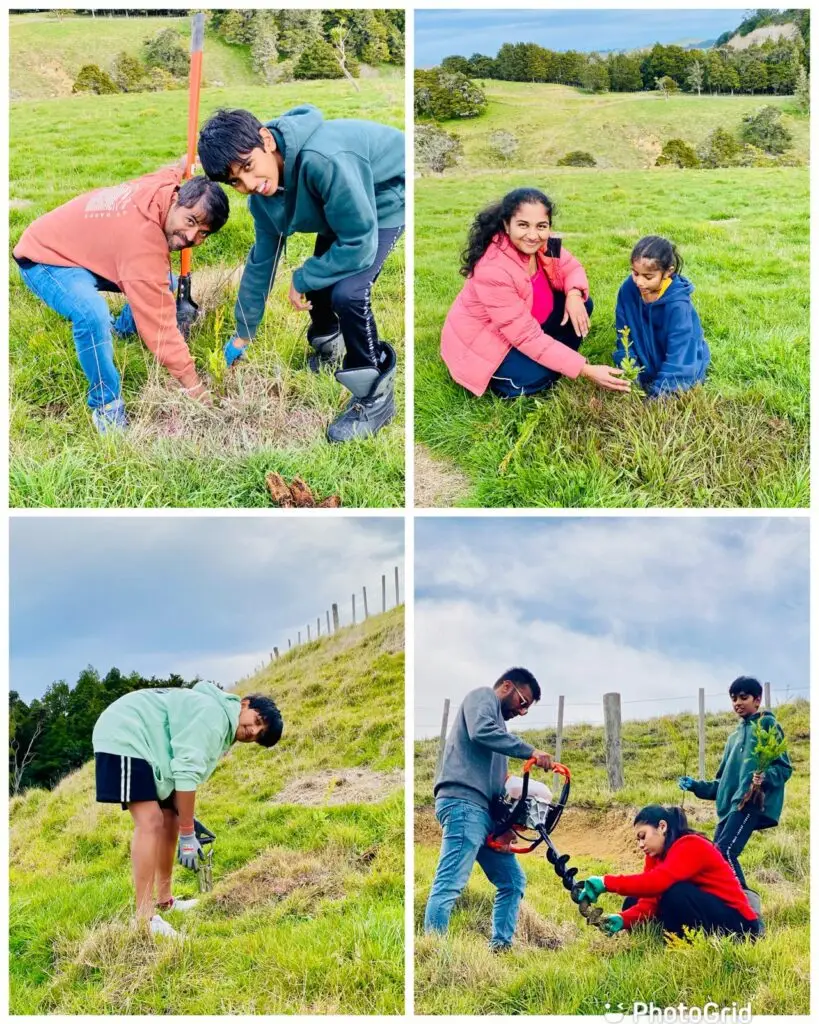
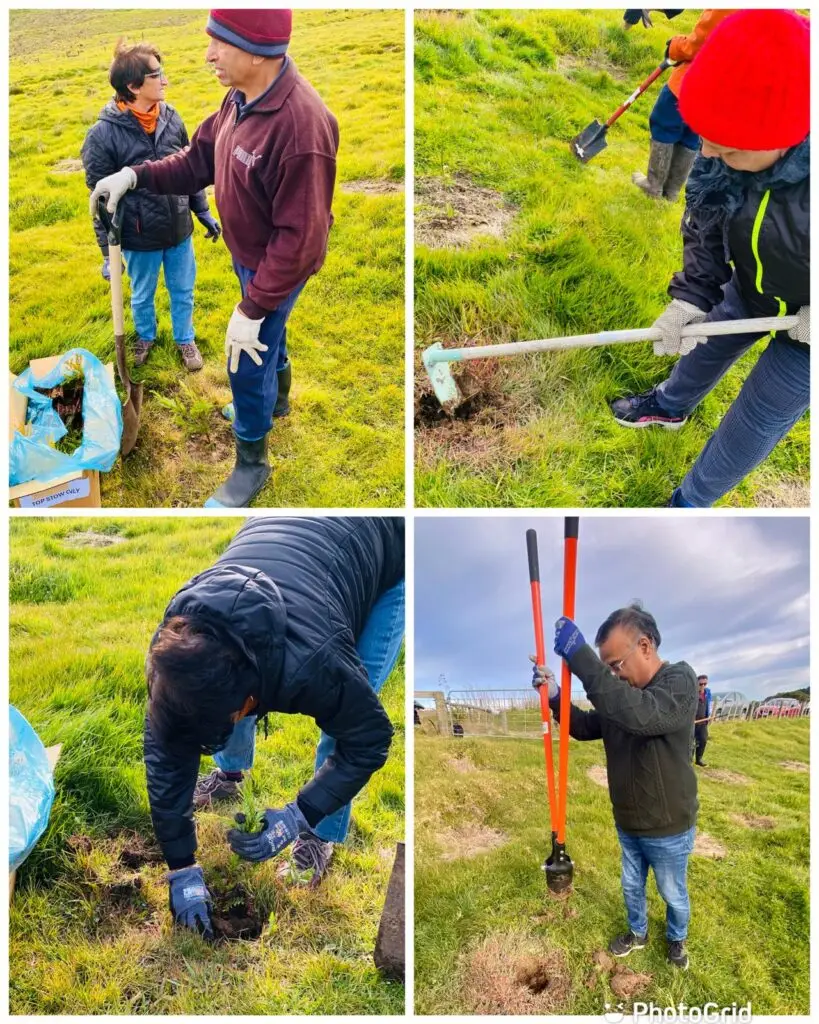
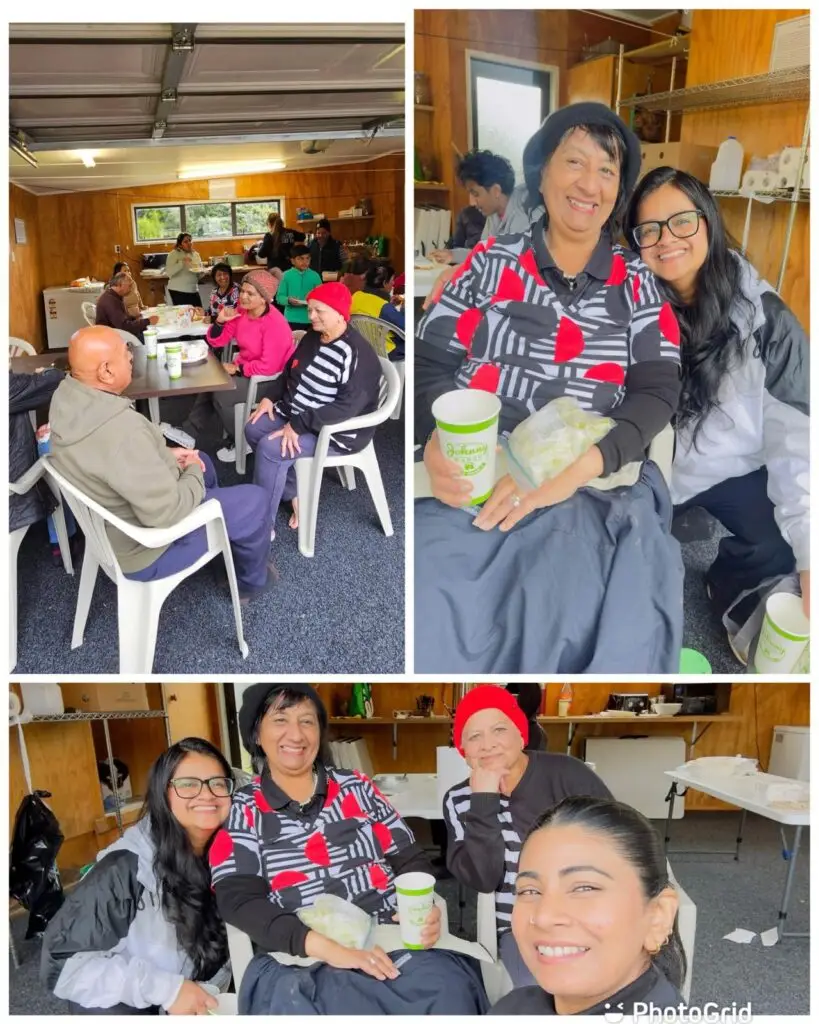
The seven‑thirty start held, more or less. There was breakfast in the cold and far too much of it, and there was a hot lunch later that no one had earned and everyone deserved. There were gumboots and borrowed spades and at least one pair of white sneakers that will never be white again. There were sore backs by ten o’clock and a second wind by eleven. There was mud — Waikato winter clay, which does not brush off but must be negotiated with — and there was the smell of it on everybody’s hands for the rest of the weekend.
There were teenagers who had come under mild duress and stayed because it turned out to be satisfying. There were people who had never planted anything in their lives being shown, once, how deep the hole should be and how firm the heel should press, and then doing it four hundred more times. There were the quiet organisers with clipboards and cable ties who make every community event in this country function and are thanked in a single line at the end of a speech.
And there was that thing which happens on a planting day and almost nowhere else: several hundred people all facing the same direction, all bent to the same small task, hardly talking, the only sounds being spades in wet ground and the wind coming over the ridge. A hundred years of committee meetings, and this may have been the most eloquent hour the Association ever spent.
By early afternoon the last seedling was in. Somebody made a speech; somebody always does. It ran too long and everybody forgave it, because they were tired in that particular good way that only outdoor work produces, and because they were standing in the middle of something they had made together in a single morning.
Then the cars pulled back out onto Waikaretu Valley Road, and the valley went quiet again, and the mist came down off the hills in the late afternoon the way it has done for ten thousand years.
IX. The hundred‑year handshake
The trees are getting on with it already.
Slowly at first — a few centimetres, then a foot, then a metre a year once they have found their feet. In a decade, a plantation. In thirty years, a forest with a floor of soft needles and a proper shade. In a century — in 2126, when the Association marks its bicentenary — a genuine stand of tall timber, and a photograph on somebody’s wall of a group of people in raincoats in 2026, most of them long since gone, all of them smiling, mud to the elbows.
And underneath, out of sight, the roots will do the thing that redwoods do. They will find one another in the dark and braid themselves together, tree to tree to tree, until the whole grove is a single held thing that no storm can take down, because no individual within it is ever asked to stand alone.
A community founded in 1926 by people who had to hold on to each other in order to survive, marking one hundred years by planting a thousand trees that survive by holding on to each other.
Some symbols have to be constructed. Others you simply walk out into a valley and find waiting for you — one thousand of them, in bags, in the cold, at half past seven in the morning.
They were planted on Saturday. They will still be there in the year 3000.
That is what a centenary is for.
The New Zealand Indian Central Association (NZICA) held its Centenary Tree Planting at 166 Waikaretu Valley Road, Glen Murray, Waikato, on Saturday 8 August 2026, planting 1,000 redwoods at a restoration site where 16,600 trees had already been established. Breakfast and lunch were provided on the day. NZICA was formed in 1926 and is the national umbrella body for Indian community associations across Aotearoa New Zealand.