 Imogen King
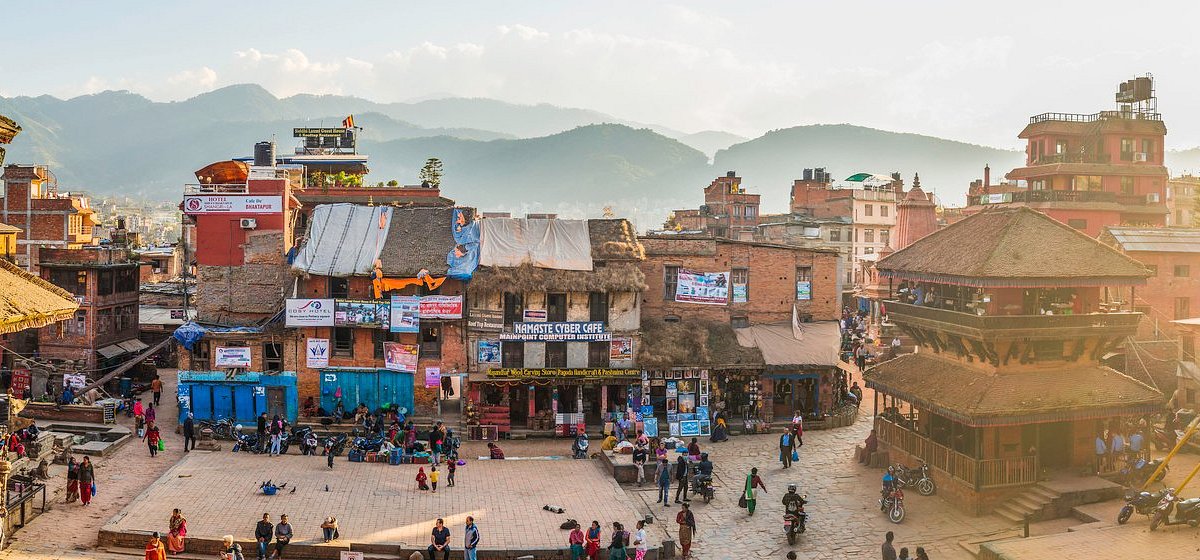
 Kathmandu, Nepal – A curfew remains in effect across significant areas of Kathmandu until 7 AM on March 29th, following a day of intense pro-monarchy protests that resulted in widespread violence and destruction. The curfew, initially implemented at 4:25 PM on March 28th, restricts all movement, gatherings, and demonstrations within a large zone encompassing key areas including Gaushala, Tribhuvan International Airport, Gairigaun, Tinkune, and Koteshwar. The affected area also includes Koteshwar to Jadibuti Bridge, Koteshwar to Balkumari Bridge, Baneshwar Chowk to Shankhamul Bridge, and Gaushala Chowk to Old and New Baneshwar Chowk.
The decision to extend the curfew follows a day of escalating violence perpetrated by pro-monarchy protestors, some linked to the Rastriya Prajatantra Party (RPP). These protestors engaged in widespread vandalism, arson, and attacks on private property, media houses, political party offices, and government buildings. The violence, triggered by an incident involving a vehicle ramming a police barricade, spiralled into chaotic clashes between protestors and security forces.
Two people died, and at least 45 others sustained injuries, seven of whom suffered gunshot wounds. Hospitals across Kathmandu are treating the injured. The scale of the destruction is alarming, with reports of homes being vandalized and set ablaze in Tinkune, and attacks targeting the offices of the Communist Party of Nepal (Unified Socialist) and the Communist Party of Nepal (Maoist Center). A government vehicle was set on fire in Perisdanda, and the Jadbusti Processing Centre was also destroyed by fire. Looting was reported at Bhatbhateni.
The severity of the situation necessitated the deployment of the Nepal Army to assist police in enforcing the curfew. The extended curfew underscores the ongoing security concerns and the government’s determination to restore order. The prolonged restrictions are likely to have significant economic and social repercussions for Kathmandu’s residents.