



 Lara Zijl
 Move by Beijing marks first direct sanctions against New Zealand parliamentarians, heightening scrutiny of Aotearoa’s position on the One China policy.
By Imogen King
Political Science and International Affairs Correspondent
Zealandia News
12 June 2026 — WELLINGTON
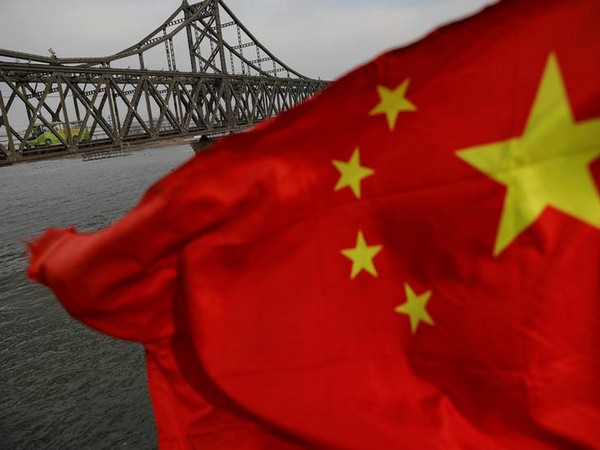
China has imposed a one-year travel ban on four New Zealand Members of Parliament following their recently concluded visit to Taiwan, in a move that has drawn firm responses from both Wellington and Beijing and ushered in a tense new phase in trans-Tasman diplomacy. The Chinese Embassy’s announcement on Wednesday marks the first recorded instance of direct punitive action against New Zealand officials for their stance on Taiwan, signalling Beijing’s growing willingness to enforce its foreign policy red lines on democratic partners in the Pacific.
The four MPs—whose names were confirmed by parliamentary sources as Simon O’Connor, Jenny Salesa, Brooke van Velden, and Golriz Ghahraman—attended a series of official and cultural events in Taipei last week as part of a cross-party delegation focused on trade, human rights, and indigenous affairs. The Chinese Embassy, in a strongly worded statement, accused the group of “severely violating the One China principle” by engaging with Taiwanese leaders and warned that further political consequences may follow without “genuine remorse and public apology.” As part of the announced sanctions, all four have been barred from entering China, Hong Kong, and Macau for at least one year, effective immediately.
Government Response: “Firmly in Line with Policy”
Prime Minister Christopher Luxon, speaking at a post-cabinet press conference, defended the MPs’ right to undertake the visit, citing New Zealand’s independent foreign policy and affirming that parliamentary travel does not represent a change to the government’s One China commitment.
“Our position is clear and longstanding: New Zealand recognises the People’s Republic of China but reserves the right to maintain constructive, unofficial relations with the people of Taiwan in areas of mutual interest,” Luxon said. “Diplomacy works best when there is dialogue, not ultimatums.”
Foreign Minister Winston Peters added that the government had already conveyed New Zealand’s disappointment to Chinese officials and would oppose any effort to restrict lawful parliamentary activity. “We take no instructions from foreign governments regarding the movement or engagement of our elected representatives,” he said, while also reaffirming New Zealand’s continued adherence to the One China policy.
Wider Implications and Domestic Debate
The decision by China comes against a backdrop of rising cross-strait tensions and increased international activism by Beijing to deter political support for Taiwan globally. New Zealand, traditionally cautious on the issue, finds itself under new scrutiny both abroad and at home for the clarity and firmness of its stance.
Opposition voices in Parliament welcomed the solidarity shown by the cross-party delegation, with Labour’s Foreign Affairs spokesperson Nanaia Mahuta stating that engagement with Taiwan is “not up for negotiation by Beijing.” However, some business and agriculture leaders privately expressed concerns about potential retaliatory effects on the $20 billion annual China-New Zealand trade relationship, particularly in the dairy and tourism sectors should Beijing expand sanctions further.
Multiple international observers noted that the move closely follows similar recent sanctions imposed on lawmakers from Australia and several European countries who have undertaken official visits to Taipei—a trend some analysts interpret as part of Beijing’s broader campaign to isolate Taiwan diplomatically.
Human Rights and Trade on the Table
Among the delegates, Simon O’Connor of the National Party emphasised that the visit had focused heavily on indigenous rights and cultural dialogue, pointing to joint sessions with Māori and Taiwanese Aborigine leaders. Green Party MP Golriz Ghahraman, a vocal supporter of human rights, described increased engagement with Taiwan as “a matter of principle grounded in New Zealand values, not in provocation.”
Taiwan’s foreign ministry, for its part, thanked the delegation for “steadfast friendship” and praised New Zealand’s balanced approach to Indo-Pacific diplomacy.
Beijing’s Next Moves Unclear
While the Chinese government has not outlined further retaliatory steps, officials hinted at a readiness to escalate if future visits occur or if Wellington issues critical public statements. Mainland news coverage has presented the sanctions as a necessary “reminder” of the costs of infringing sovereignty.
New Zealand’s Ministry of Foreign Affairs and Trade has updated its travel advisory for China, noting the new risks faced by Aotearoa’s parliamentarians and warning against non-essential diplomatic travel to the mainland.
Looking Ahead
This episode places New Zealand, long considered a model of pragmatic diplomacy, on the front line of a deepening regional contest over cross-strait relations. With both sides showing few signs of backing down, Wellington now faces a challenging balancing act to defend democratic engagement while safeguarding critical economic links.
In Perspective
The swift escalation over a parliamentary visit underscores the high geopolitical stakes of Taiwan and the new assertiveness of Chinese sanctions diplomacy. For New Zealand, the episode is a reminder that principled engagement and careful diplomacy remain as vital—and as difficult—as ever in an increasingly divided international landscape.