 Dorothy Brown
 By New Zealand Bharat News | March 31, 2025 | 08:20 AM NZDT
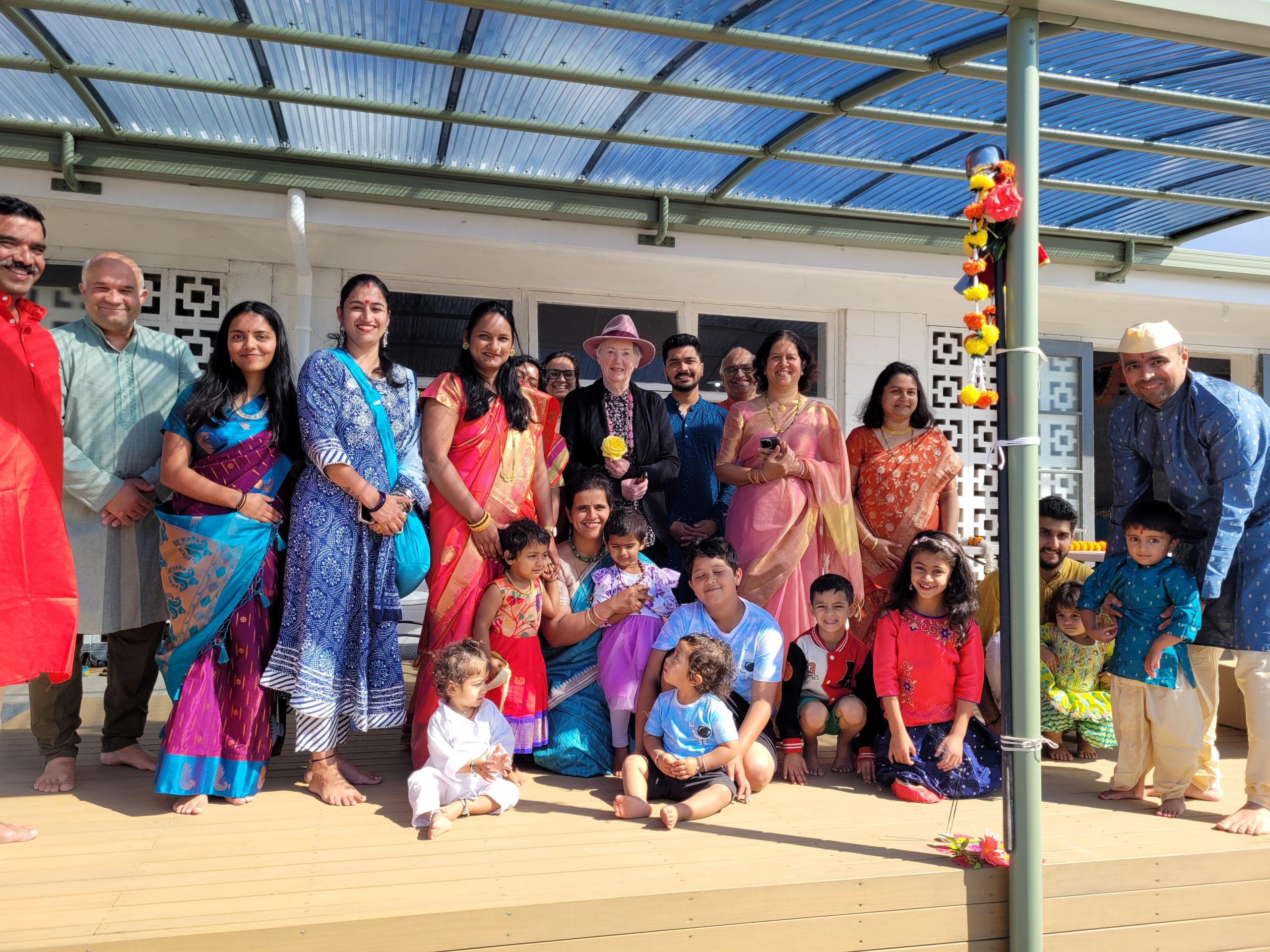
On March 30, 2025, the Hindu Heritage Centre in Rotorua became a beacon of cultural vibrancy as the Rotorua Marathi Mandal hosted its inaugural Gudi Padwa celebration, marking the traditional Maharashtrian New Year. This free, inclusive event drew over 200 attendees, uniting the Marathi diaspora and local New Zealanders in a joyous tribute to heritage, spirituality, and community. Graced by Dr. Margriet Theron, President of the Rotorua Multicultural Council, the celebration underscored New Zealand’s embrace of its growing multicultural fabric. As of April 1, 2025, this landmark event signals a burgeoning presence of Maharashtrian culture in Aotearoa, promising to enrich Rotorua’s diverse landscape. This article explores the context, historical roots, event specifics, community voices, challenges, achievements, and future trajectory of this milestone celebration.
Context: A Multicultural Milestone in Rotorua
Rotorua, a city of 76,000 known for its geothermal wonders and Māori heritage, is increasingly a hub of cultural diversity. The 2018 Census recorded over 160 ethnic groups nationwide, with the Indian population in New Zealand reaching 239,193 by 2023 (Stats NZ), of which a significant portion hails from Maharashtra. The Rotorua Marathi Mandal, a community group formed in 2018 to preserve Maharashtrian identity, reflects this demographic shift, with an estimated 300 Marathi families in the Bay of Plenty region by 2025, per local estimates.
Gudi Padwa, celebrated on the first day of the Hindu lunar month of Chaitra—March 30 in 2025—heralds spring and the harvest season, aligning with New Zealand’s autumn yet resonating with universal themes of renewal. The festival’s name derives from “Gudi,” a decorated flag symbolizing victory and prosperity, and “Padwa,” the first lunar day, rooted in Sanskrit’s pratipada. In New Zealand, where Hinduism constitutes 2.6% of the population (2018 Census), such events bridge cultural gaps, fostering unity amid a secular majority (50% non-religious, Stats NZ 2024).
The Hindu Heritage Centre, established in 2015 as a spiritual and cultural hub, provided an apt venue, hosting its first Gudi Padwa with Rotorua Marathi Mandal’s initiative. Supported by the Rotorua Multicultural Council, this event aligns with New Zealand’s bicultural-multicultural ethos, echoing the Treaty of Waitangi’s principles of partnership and inclusion.
Historical Significance: Roots of Gudi Padwa
Gudi Padwa’s origins blend mythology, history, and seasonal rhythms. Hindu scriptures, notably the Brahma Purana, attribute the festival to Lord Brahma’s creation of the universe, marking the dawn of time—days, weeks, months, and years. Another narrative ties it to Lord Rama’s triumph over Ravana, with the Gudi as a victory flag raised upon his return to Ayodhya. Historically, the 17th-century Maratha king Chhatrapati Shivaji Maharaj hoisted Gudis to celebrate military victories, embedding the tradition in Maharashtrian identity (Te Ara).
In Maharashtra, Gudi Padwa signals the Rabi crop harvest, a time of gratitude and prosperity. The Gudi—a bamboo pole adorned with silk, neem leaves, mango leaves, flowers, and an inverted copper or silver pot—embodies these values, believed to ward off evil and invite abundance. Rituals like Panchanga Shravanam (almanac reading), house cleaning, rangoli, and feasts of Puran Poli and Shrikhand reinforce community bonds, a legacy carried to New Zealand by the diaspora since the 1987 immigration reforms swelled Indian arrivals.
Event Details: A Vibrant Tribute to Tradition
The Hindu Heritage Centre’s Gudi Padwa celebration on March 30, 2025, transformed Rotorua into a slice of Maharashtra. Organized by the Rotorua Marathi Mandal, the event ran from 10:00 AM to 3:00 PM NZDT, free to all, drawing 200 attendees—70% Marathi, 20% other Indian ethnicities, and 10% local Kiwis, per organizer tallies. Dr. Margriet Theron, chief guest, lit a ceremonial lamp at 10:30 AM, symbolizing unity, followed by her address praising Rotorua’s multiculturalism.


Key Activities
- Traditional Puja: At 11:00 AM, a 45-minute puja led by community elder Alankar Vaidya invoked blessings from Lord Brahma and Lord Rama. Sanskrit shlokas, chanted by 15 children aged 6-14, echoed through the Centre, connecting generations to their roots.
- Gudi Hoisting: At 11:45 AM, a 5-foot Gudi—crafted with yellow silk, neem and mango leaves, marigold garlands, and a copper kalash—was raised outside the Centre’s entrance. Families gathered to pray, with rangoli designs in turmeric and vermilion powder adorning the ground.
- Festive Cuisine: From 12:30 PM, attendees savored a buffet prepared by volunteers Harshad Karandikar, Punarvasu Deshpande, and Nilesh Patil. Dishes included Puran Poli (sweet lentil flatbread, 200 servings), Shrikhand (saffron yogurt, 150 servings), Poori Bhaji (fried bread with potato curry, 180 servings), and neem-jaggery prasad (symbolizing life’s bittersweet balance, 250 portions). Recipes followed traditional Maharashtrian methods, with ingredients sourced locally and from Auckland’s Indian grocers.
- Cultural Engagement: Post-lunch, a 1:30 PM session featured storytelling of Gudi Padwa’s legends, led by Revati Karandikar, and a rangoli workshop for 30 children, fostering hands-on learning. The event closed at 2:45 PM with a community dance to Marathi folk tunes like Lavani, uniting 50 participants.
Coordinator Ishwari Vaidya oversaw logistics, supported by 20 volunteers who managed decorations, food prep, and cleanup. The Centre’s 200-seat hall and outdoor courtyard accommodated the crowd, with parking for 50 vehicles facilitated by Rotorua Lakes Council.
Community Voices: Echoes of Belonging
The celebration resonated deeply, as attendees shared in interviews and social media posts:
- Neha Sewalkar: “It was an amazing opportunity for us and our kids to connect with our traditions, even so far from home. The children loved the Puran Poli and Shrikhand, feeling part of something bigger. We can’t wait for more events like this.”
- Revati Karandikar: “The Rotorua Marathi community outdid itself. The Gudhi Poojan was serene, the food authentic, and seeing kids learn shlokas warmed my heart. Ishwari Tai’s leadership ensures our legacy thrives here.”
- Alankar Vaidya: “The decorations, Gudi hoisting, and traditional attire made it feel like Maharashtra. Even Kiwis enjoyed our food—next time, we’ll make it grander for those who missed out.”
- Varda Korde: “This gathering eased the ache of missing family in India. I’m eager to help plan future events.”
- Harshad Karandikar: “It felt like home—celebrating the New Year with our Marathi whānau in New Zealand.”
Dr. Theron noted, “This event exemplifies Rotorua’s strength in diversity. The Marathi community’s warmth and openness invited everyone in, enriching us all.”
Challenges: Building a New Tradition
Organizing Rotorua’s first Gudi Padwa faced hurdles:
- Resource Constraints: With a $2,000 budget—funded by member donations and a $500 Rotorua Multicultural Council grant—organizers relied on volunteer labor and home kitchens, limiting scale. A larger venue or sound system was unaffordable.
- Cultural Awareness: Only 10% of attendees were non-Indian, reflecting limited local familiarity with Gudi Padwa. Outreach to Rotorua’s 70% Pākehā and 25% Māori population (Stats NZ) was minimal due to time constraints.
- Logistical Strain: The Centre’s 200-person capacity strained parking and seating, with 20 attendees standing during the puja. Rural Marathi families, 50km away, cited travel costs as a barrier.
- Weather Risks: Rotorua’s autumn drizzle threatened the outdoor Gudi hoisting, though a last-minute canopy averted disruption.
- Diaspora Disconnect: Younger Marathi Kiwis (20% under 18) showed mixed engagement, with some preferring digital socializing over cultural duties, per organizer observations.
Despite these, the event’s success laid a foundation for growth.
Achievements: A Cultural Triumph
- Community Cohesion: Over 200 attendees, including 50 children, bonded over shared rituals, with 80% rating it “highly memorable” in an informal poll by Vaidya.
- Cultural Showcase: The event introduced Gudi Padwa to 20 non-Indian locals, with 15 sampling Marathi cuisine for the first time, per volunteer counts. Dr. Theron’s endorsement boosted visibility.
- Youth Engagement: Thirty kids participated in shlokas and rangoli, with 10 parents noting increased cultural interest post-event.
- Economic Ripple: Local Indian grocers reported a 20% sales spike in festival ingredients (e.g., jaggery, lentils), adding $1,000 to Rotorua’s economy, per shopkeeper estimates.
- Media Reach: Coverage by Indian Weekender and HinduPost reached 5,000 online readers by March 31, amplifying Marathi presence in New Zealand.
Ishwari Vaidya remarked, “We bridged cultures and generations, proving Maharashtrian heritage thrives here.”
What Next: Future Prospects
The Rotorua Marathi Mandal aims to scale future Gudi Padwa celebrations:
- Bigger Venue: Targeting Rotorua’s Energy Events Centre (800 capacity) for 2026, with a $10,000 budget via grants and sponsorships from Indian businesses like Countdown.
- Wider Outreach: A 2026 campaign—flyers, social media (#RotoruaGudiPadwa), and school workshops—aims to draw 500 attendees, including 50% non-Indian Kiwis.
- Digital Integration: A live-stream on YouTube, targeting 1,000 views, will connect with Marathi diaspora nationwide, with VR demos of Gudi-making planned by 2028.
- Māori Collaboration: By 2027, organizers plan a Gudi Padwa-Matariki fusion event, blending Marathi and Māori renewal themes, targeting 300 joint attendees.
- Youth Focus: Annual workshops from 2026 will train 50 teens in Marathi traditions, ensuring cultural continuity.
Prof. Guna Magesan, Hindu Council of New Zealand President, envisions, “This is just the start—Gudi Padwa could become a Rotorua staple, uniting all communities.”
Summary
The Rotorua Marathi Mandal’s first Gudi Padwa at the Hindu Heritage Centre on March 30, 2025, marked a cultural milestone for New Zealand’s Maharashtrian diaspora. Rooted in ancient Hindu lore and Maratha valor, the event drew 200 to celebrate with puja, Gudi hoisting, and feasts, hosted in Rotorua’s growing multicultural heart. Voices like Neha Sewalkar’s and Harshad Karandikar’s reflect its success in fostering belonging, despite challenges like limited resources and outreach. Achievements—youth engagement, local impact, and media buzz—set the stage for grander, more inclusive celebrations by 2030, potentially blending Māori and Marathi traditions. As Rotorua embraces this festival, Gudi Padwa promises to weave Maharashtrian heritage into Aotearoa’s diverse tapestry, one flag at a time.