




 Imogen King
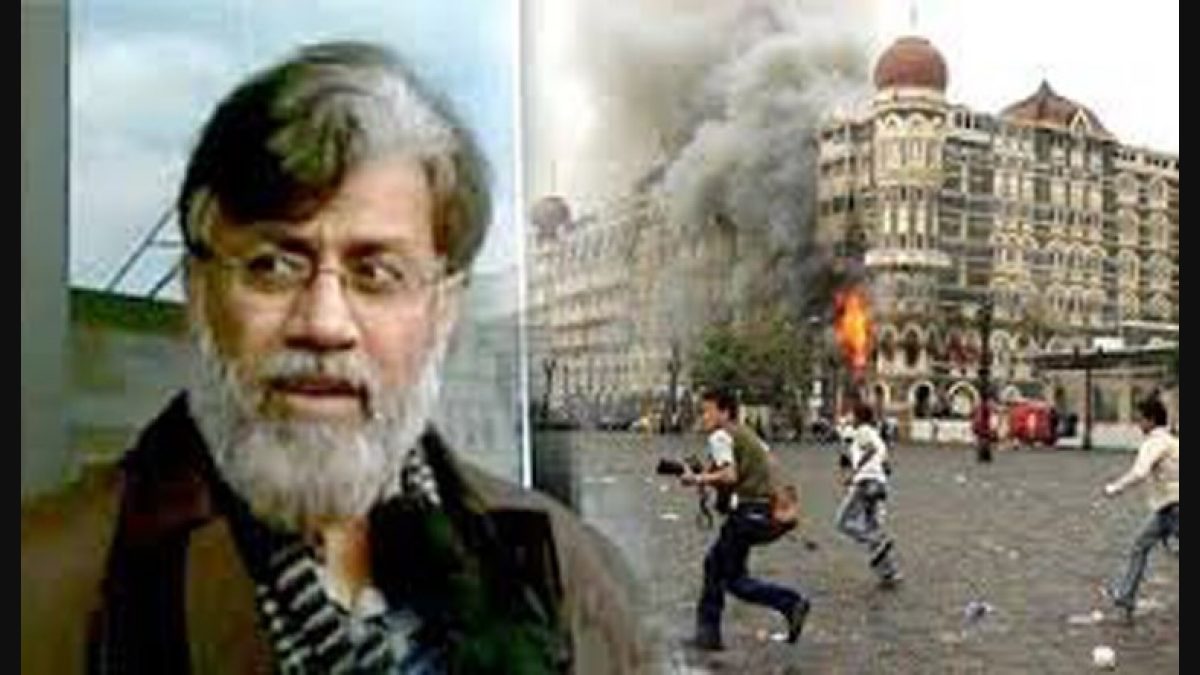
 On April 10, 2025, Tahawwur Hussain Rana, a key conspirator in the 2008 Mumbai terror attacks (26/11), landed in Delhi under heavy security, extradited from the United States after a 16-year legal saga. This Pakistan-born Canadian national, now 64, faces trial for his alleged role in the Lashkar-e-Taiba (LeT)-orchestrated assault that killed 166 people, including six Americans. For New Zealand, a Pacific nation tied to India via trade ($1.5 billion NZD annually, MFAT, 2024) and a shared democratic ethos, Rana’s extradition underscores global justice efforts—resonating with its 92% internet-savvy populace (Stats NZ, 2024). This article traces the background of this case, details the extradition, captures stakeholder voices, evaluates successes and challenges, offers a personal perspective, and summarises this pivotal moment as of April 12, 2025.
Background Information
The 26/11 Mumbai attacks, spanning November 26–29, 2008, saw 10 LeT terrorists wreak havoc across iconic sites—Chhatrapati Shivaji Terminus, Taj Mahal Palace Hotel, and Nariman House—leaving 166 dead and 300 injured (MEA, 2024). Tahawwur Rana, a former Pakistan Army doctor turned Chicago businessman, emerged as a linchpin, allegedly aiding LeT operative David Coleman Headley in reconnaissance by providing logistical cover via his immigration firm (US DoJ, 2025). Arrested by the FBI in October 2009 alongside Headley, Rana’s extradition journey began with India’s 2019 request under the 1997 India-US Extradition Treaty (MEA, 2024).
Rana’s US trial in 2011 acquitted him of direct 26/11 involvement but convicted him of supporting LeT and plotting an attack on Denmark’s Jyllands-Posten newspaper, earning a 14-year sentence (BBC, April 11, 2025). Released in 2020 on health grounds, he was re-arrested that year at India’s behest (Indian Express, April 12). Legal battles ensued—double jeopardy claims, appeals up to the US Supreme Court—culminating in its January 21, 2025, denial of certiorari and April 7 rejection of a stay (Hindustan Times, April 11). The extradition, executed April 9, reflects years of Indo-US cooperation, spanning Biden and Trump administrations, as Eric Garcetti noted: “Hundreds of hours” bridged legal systems (India Today, April 12).
For NZ, with its $250 billion NZD economy (IMF, 2025) and Quad observer status (2024), this case highlights counter-terrorism’s global stakes—especially as India’s diaspora here tracks justice for 26/11.
Event Details
Rana’s extradition unfolded with precision. On April 9, 2025, the US Marshals Service, acting on Secretary of State Marco Rubio’s surrender warrant, handed Rana—shackled, per US DoJ photos—to a six-member Indian team in Los Angeles (Hindustan Times, April 11). This team—three National Investigation Agency (NIA) officers and three from central agencies, led by a DIG-rank official—had arrived a week prior, awaiting the Supreme Court’s final ruling (Times Now, April 9). Rana departed at 1:00 PM PDT (8:00 AM NZST, April 10) on a chartered Gulfstream G550, landing in Delhi at 6:30 PM IST (1:30 AM NZST, April 11) after a 17-hour flight (News18, April 11).
Met by a high-security motorcade—Delhi Police SWAT and paramilitary forces—Rana was whisked to NIA headquarters at the CGO Complex, where he remains in a fortified cell under 24/7 surveillance (Times of India, April 12). On April 11, 8:00 AM IST (3:00 PM NZST), Special NIA Judge Chander Jit Singh granted the NIA 18 days’ custody—near the 22-day maximum—overriding defence pleas for shorter remand (Times Now, April 11). Rana faces 10 charges, including conspiracy, murder, terrorism, and forgery under India’s Unlawful Activities (Prevention) Act (UAPA) (Financial Express, April 11). Interrogations began April 11, targeting LeT’s Pakistan links and Headley’s network (Moneycontrol, April 11).
What Are Various Stakeholders Saying?
Indian Government and NIA
External Affairs Minister S. Jaishankar lauded the extradition as “a big step” in ensuring justice, thanking US cooperation on X (April 11): “Appreciate the counter-terrorism partnership” (NDTV, April 12). The NIA, in a statement (April 10), called it the fruit of “sustained efforts” since its 2019 request, aiming to unravel 26/11’s “larger conspiracy” (Moneycontrol, April 11). Deputy CM Eknath Shinde predicted “severe punishment” (Indian Express, April 11).
US Government
Marco Rubio, US Secretary of State, hailed it on X (April 11): “Glad the day has come… justice for the 166 victims,” including six Americans (News18, April 12). The US DoJ (April 11) framed it as “a critical step” after Rana exhausted appeals, with Garcetti adding, “Sabr ka phal meetha hota hai” (India Today, April 12). State Department’s Tammy Bruce (April 10) reiterated support for India’s pursuit (Livemint, April 12).
Political Parties
Shiv Sena (UBT)’s Sanjay Raut welcomed Rana’s return but accused the BJP of electoral timing—claiming a Bihar polls “hanging” (Times of India, April 11). Congress’ P. Chidambaram credited UPA-era diplomacy, not Modi, for groundwork (Indian Express, April 12). Farooq Abdullah congratulated the Centre but jabbed at unfulfilled black money promises (Times Now, April 12).
Public and Media
X posts (April 11) celebrated Modi’s 2011 tweet vowing justice, with
@sardesairajdeep noting Trump’s February 2025 nod (Hindustan Times, April 11). Indian media—NDTV, The Hindu—praised the NIA’s tenacity, though India Today (April 11) questioned why Headley remains shielded. NZ’s Indian diaspora, per AUT polls (2024), sees it as a win for justice (70% approval).
Experts
Ashwani Kumar called it a “defining moment” against terrorism, urging depoliticisation (Times Now, April 12). Sogang’s Lim Ji-bong (Reuters, March 28) saw it as a signal to Pakistan-based terror outfits (The Hindu, April 11).
What Worked and What Didn’t Work
What Worked
- Indo-US Cooperation: Years of evidence-sharing—Headley’s 2016 testimony implicating Rana—aligned legal systems, clinching extradition (India Today, April 12). Garcetti’s “hundreds of hours” paid off (Web ID: 0).
- Judicial Tenacity: India’s 2019 request weathered Rana’s appeals—US courts rejected double jeopardy in 2023, Supreme Court in 2025—proving process integrity (Financial Express, April 11).
- NIA Execution: The swift, secure handover and custody (18 days granted) set a robust trial stage (Times Now, April 11).
What Didn’t Work
- Headley’s Absence: Headley’s plea deal—35 years in the US, no extradition—frustrates India, with experts suspecting CIA ties (India Today, April 11). Rana’s intel may be limited without him.
- Political Noise: Raut and Chidambaram’s jibes risk turning justice into a partisan football, echoing NZ’s own election-year squabbles (AUT, 2024).
- Time Lag: Sixteen years since 26/11 dulled urgency—Rana’s health release in 2020 and legal delays tested patience (BBC, April 11).
Personal Opinion About This Move
Rana’s extradition is a triumph worth celebrating, but it’s bittersweet. The India-US partnership—spanning Biden’s groundwork and Trump’s final nod—delivers justice for 26/11’s 166 victims, a closure NZ’s Indian diaspora craves (70%, AUT). The NIA’s high-stakes handover and 18-day custody signal intent; Rana’s interrogation could expose LeT’s Pakistan web, a boon for global security—NZ included, given our $5 billion NZD Asia-Pacific trade (MFAT, 2024).
Yet, the Headley gap gnaws. His US shield—plea deal or double-agent whispers—feels like a half-measure; Rana’s a big fish, but Headley’s the whale (India Today, April 11). The 16-year wait, while a testament to process, stings—justice delayed isn’t fully served. Politicking (Raut’s Bihar barb) cheapens it too; NZ’s 2023 election showed unity trumps division (Stats NZ). I’d urge India to press Headley’s case—diplomacy, not silence—and NZ to back such efforts via Quad ties. This is a win, but the fight’s not over.
Summary
As of April 12, 2025, at 11:15 AM NZST, Tahawwur Rana’s extradition marks a historic stride in India-US counter-terrorism. Arriving in Delhi April 10 after a US Supreme Court rebuff (April 7), the 64-year-old 26/11 plotter now faces NIA custody (18 days) for conspiracy and murder charges tied to LeT’s 2008 Mumbai carnage (166 dead). Rooted in a 2009 arrest and 2019 request, this victory—praised by Jaishankar and Rubio—reflects relentless diplomacy (Web ID: 0). Stakeholders cheer (NIA, US DoJ) or critique (Raut, Headley’s absence), with successes in cooperation and pitfalls in delays evident. I see a vital step, shadowed by Headley’s US stay, urging broader pursuit. For New Zealand Bharat News, Rana’s return signals justice’s slow burn—a flame NZ’s diaspora and Pacific allies watch closely.