Lara Zijl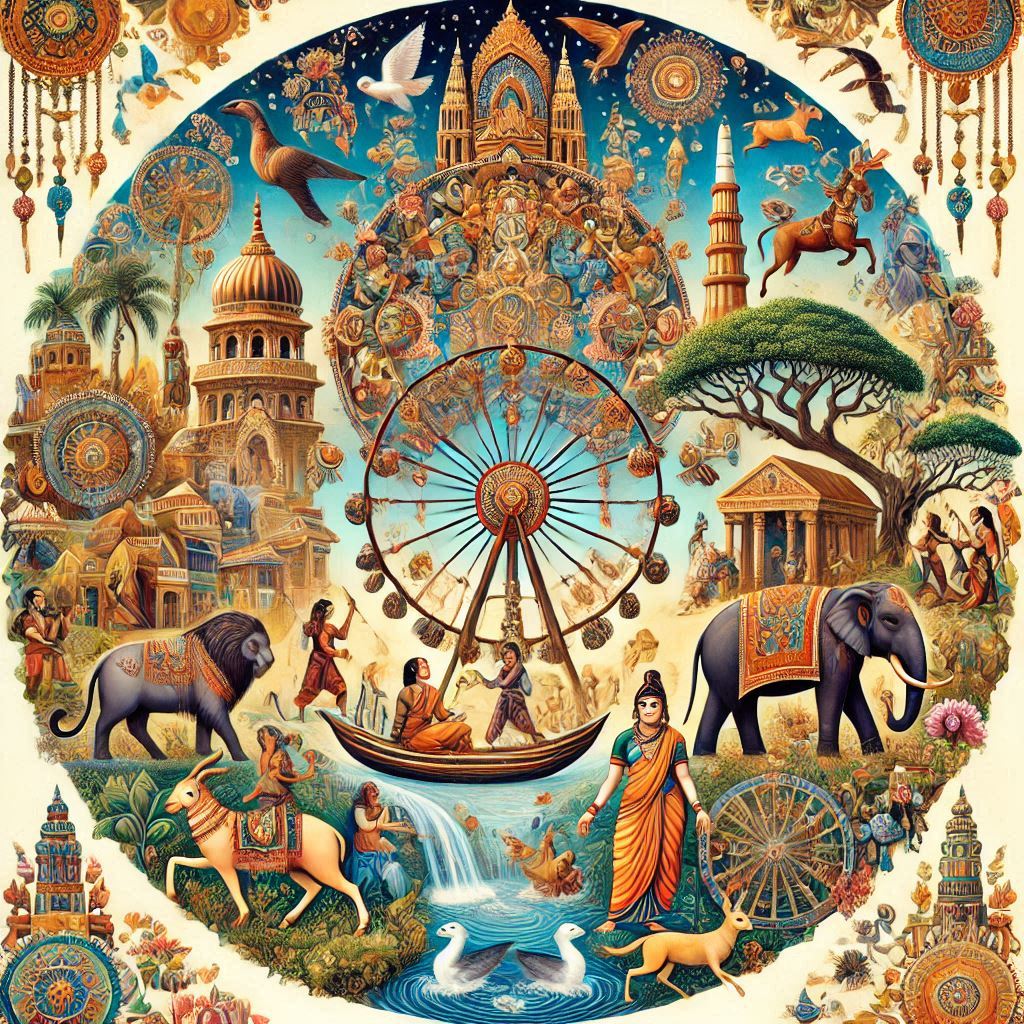
Kia ora, friends—imagine tending a māra in the Waikato, soil rich under your fingers, but picture instead an Assam tea garden, where leaves shimmer under monsoon mist, or a Rajasthan hamlet, where a farmer cradles a sapling against desert winds. This is the 50th root in our 100-article journey through Bharat Is Not for Beginners, a remarkable trek that’s unveiled a land of enduring wisdom and vibrant innovation. Now, we’re rooting back into Bharat’s green tapestry—its environmental traditions and living earth—where every seed, every stream, is a taonga, a treasure nurtured from Vedic reverence to modern stewardship. This isn’t just about nature; it’s Bharat sustaining its whakapapa with a deep respect for the land.
Bharat doesn’t treat its environment with a fleeting glance—it tends it with devotion and foresight. Its ecological kaupapa isn’t a forgotten lore; it’s a vibrant hui, a gathering of practices, beliefs, and innovations that stretch from the sacred groves of ancient yajna to the solar panels of today’s villages. This land is a living nursery, a verdant ticker that’s nourished its people through seasons, droughts, and centuries with a profound sense of balance. This isn’t for those after a quick green fix—it’s an exploration of a civilisation that’s made its bond with the earth a remarkable legacy, a tapestry that weaves its past into its present with care and vitality.
The Vedic Soil: Earth’s Sacred Beginnings
Let’s step back to 1500 BCE, when the earth was more than dirt—it was divine. The Rigveda sings of Prithvi, the Earth Mother, her rivers and forests a gift from the gods, revered in yajna chants where ghee was offered to honour her bounty. Rta, the cosmic order, wasn’t just a starry law—it was a call to live in harmony with soil and sky, to tread lightly on Bhoomi’s breast. Farmers aligned sowing to jyotisha lunar cycles, their millet and barley fields a sacred pact with the land.
By 1000 BCE, the Atharvaveda blessed trees—banyan, peepal—as devatas, their shade a temple for rituals. Vedic texts like Vrikshayurveda detailed plant care—mulching, grafting, even herbal cures for wilted roots—a rishi’s guide to coaxing life from clay. The Arthashastra, around 300 BCE, added structure: kings protected forests with kautuka reserves, fining those who felled sacred groves, while bandhs—dams—channeled monsoon for rice, a balance of take and give.
This wasn’t mere farming—it was kshetra, the sacred field. Tenders of the earth weren’t just growers; they were kisan-dharmis, stewards of a divine trust, their work a hui that linked Bharat’s spirit to its roots and rivers with a sage’s care and a deep wairua, a spiritual bond that pulses still.
A Whānau of Lands: Earth Across the Regions
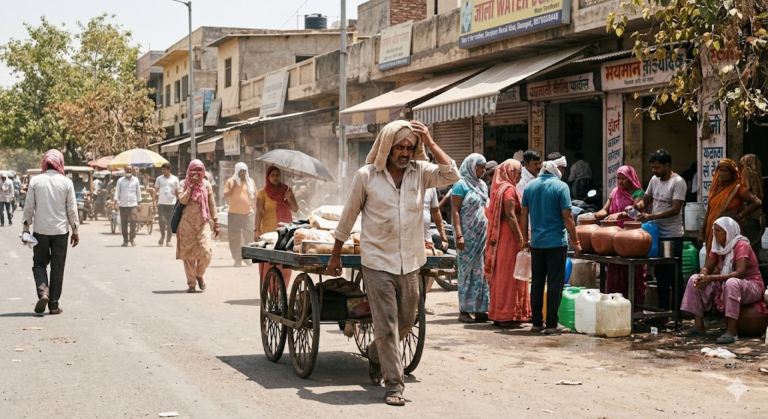
Bharat’s environmental ways form a whānau, a family of practices, each region nurturing its own patch of green. In Assam’s Brahmaputra Valley, farmers weave bamboo chang platforms to save crops from floods, a northeast taonga that dances with the river’s surge. Down south, Tamil Nadu’s eri tanks—ancient reservoirs—capture monsoon for paddy, their stone sluices a Sangam-era hui etched into the red soil.
Rajasthan’s johads—earthen check dams—trap scarce rain, reviving wells in arid Marwar, a desert wisdom as old as its forts. Kerala’s pokkali fields blend rice with prawns, a coastal balance that feeds both land and lagoon under palm shade. Bengal’s Sundarbans guard mangroves—sundari trees—where fishers plant roots to shield against cyclones, a tidal pact with the delta.
In Himachal’s Spiti, yak herders rotate pastures, a Himalayan rhythm that lets alpine meadows breathe, while Gujarat’s khadin farming traps runoff for millet, a dryland flex honed by traders’ wit. Odisha’s tribal Dongria Kondh tend sacred hills, banning axes to protect Niyamgiri’s forests, a ritual rooted in pre-Vedic lore. From Punjab’s wheat plains to Andaman’s coral shores, Bharat’s lands are a whānau—diverse, resilient, and truly impressive, each stitching its own thread into the green tapestry.
Earthly Mana: Nature Meets Spirit
Bharat’s environment carries mana—sacred vitality woven into its core. Prithvi isn’t just ground—she’s a devi, her rivers tirthas for cleansing soul and soil, every dip a homam prayer. The peepal tree, draped with red thread, is a yajna altar, its leaves a whisper of Brahman. Vana—forests—house devatas, their glades spared the axe by Vedic taboo, a tika to ahimsa’s gentle pull.
Festivals bind this mana—Vasant Panchami plants saplings, a spring hui for Saraswati’s grace, while Aranya Shashti honours groves with rice offerings. Rivers like Ganga, bathed in at Kumbh Mela, are jiva, living beings, their flow a rta-guided gift. Even daily life reflects it—farmers sow with mantras, women draw kolam rice patterns to feed ants, a nod to dana’s sharing spirit.
Ayurveda ties health to earth—tulsi leaves heal, their roots sacred as yajna ash. Tribal totems—leopard, banyan—guard ecosystems, a pre-Vedic kshetra still alive in Jharkhand’s hills. Nature wasn’t a resource here—it was wairua, a sacred hui tying Bharat’s spirit to its fields and forests, a living nada brahma in leaf and loam.
The Global Hui: Earth Reaches Out
Bharat’s green wisdom didn’t stay rooted—it spread far. By 200 BCE, Vrikshayurveda’s grafting techniques sailed to Persia, shaping orchards along the Silk Road. Buddhist monks carried sacred grove ideas to Japan, their shinrin echoing Vedic vana. Chola ports shipped sandalwood, a yajna scent, to Southeast Asia, planting seeds of forest care in Bali’s rice terraces.
Mughal baghs—geometric gardens—inspired Persian charbaghs, a Desi green thumb gone global. Today, it’s a worldwide hui—NZ’s permaculture farms mirror khadin’s water wisdom, a Vedic twist in Canterbury’s fields. In Wellington, eco-groups study eri tanks for urban runoff, while Kiwi botanists eye tulsi for herbal trials.
From Costa Rica’s agroforestry to Dunedin’s community gardens, Bharat’s earth is a friend—nurturing, clever, and truly far-reaching, a Vedic root grounding the global whānau in care for the land.
The Modern Rāka: Earth Keeps Thriving
Colonial times scarred the land—British timber fells razed vanas—but Bharat’s green heart held firm. Post-1947, the waka turned with purpose. The Chipko Movement—1970s—saw Uttarakhand women hug trees to save forests, a ahimsa-fueled stand that echoed Vedic kshetra. The National Green Tribunal, born 2010, guards rivers and hills, its rulings tying Prithvi to law.
Jal Shakti schemes revive johads and bandhs, watering Rajasthan’s sands, while Sundarbans projects plant mangroves, shielding deltas from storms. Solar grids light Tamil villages, a surya-powered nod to Vedic sun worship, and Krishi Vigyan Kendras teach organic farming, blending Vrikshayurveda with lab-tested compost.
Kiwi friends see the spark—Auckland’s māra align with pokkali’s eco-balance, Wellington’s green roofs nod bandhs’ runoff tricks. It’s not a relic—it’s a live rāka, Bharat’s green mana thriving from Vedic Prithvi to urban parks, an earth that keeps breathing.
Why the Tapestry Stays Green
What keeps this earth alive? Bharat’s devotion runs deep—nanas plant tulsi in courtyards, tamariki sow seeds in school plots. Farmers guard kshetra like treasures, passing down johad wisdom with a Hurricanes ruck’s focus. It’s Vedic at its core—Prithvi’s pulse, rta’s harmony, still hold it tapu, a sacred trust unbroken.
Communities keep it growing—tribal sacred groves, urban tree drives, village tank cleanups. UNESCO’s marked Vrikshayurveda as heritage, but it’s the people who uphold the kaupapa—sowing mantras in fields, grafting saplings in labs, teaching vana care to the next wave. It’s not just land—it’s whakapapa, a tapestry Bharat’s tended since the rishis blessed the soil, an earth that stands lush.
Why It’s a Living Yarn
Why root back into Bharat’s green tapestry? Because it’s a living yarn—lands that nurture, endure, and inspire, a remarkable tale that deserves a deep breath. It’s taonga—Prithvi older than the Treaty waka, tulsi glowing with Vedic fire—and it’s alive, thriving from Kaikoura’s shores to anywhere life matters. For us in Aotearoa, it’s a hui—plant a māra, save a sundari, catch Bharat’s spark in every leaf.
This earth bridges worlds—past and present, forest and city, Bharat and beyond. It’s in the johad that waters a village, the mangrove that guards a coast, the solar panel that lights a home. It’s not just nature; it’s wairua, a spiritual force, and Bharat’s got it growing strong, a tapestry that invites us all to tend, to cherish, to join the green.
Excerpt
That’s 50 roots in our 100-article rāka of Bharat Is Not for Beginners, and Bharat’s still thriving—a land of remarkable gifts. Keep your hands earthy as we grow through more of its taonga. Join us tomorrow for Article 51: “Bharat Is Not for Beginners – The Winged Whānau Returns: Bharat’s Wildlife Traditions and Living Creatures”, where we’ll soar back into the creatures that share a civilisation’s world.