Lara Zijl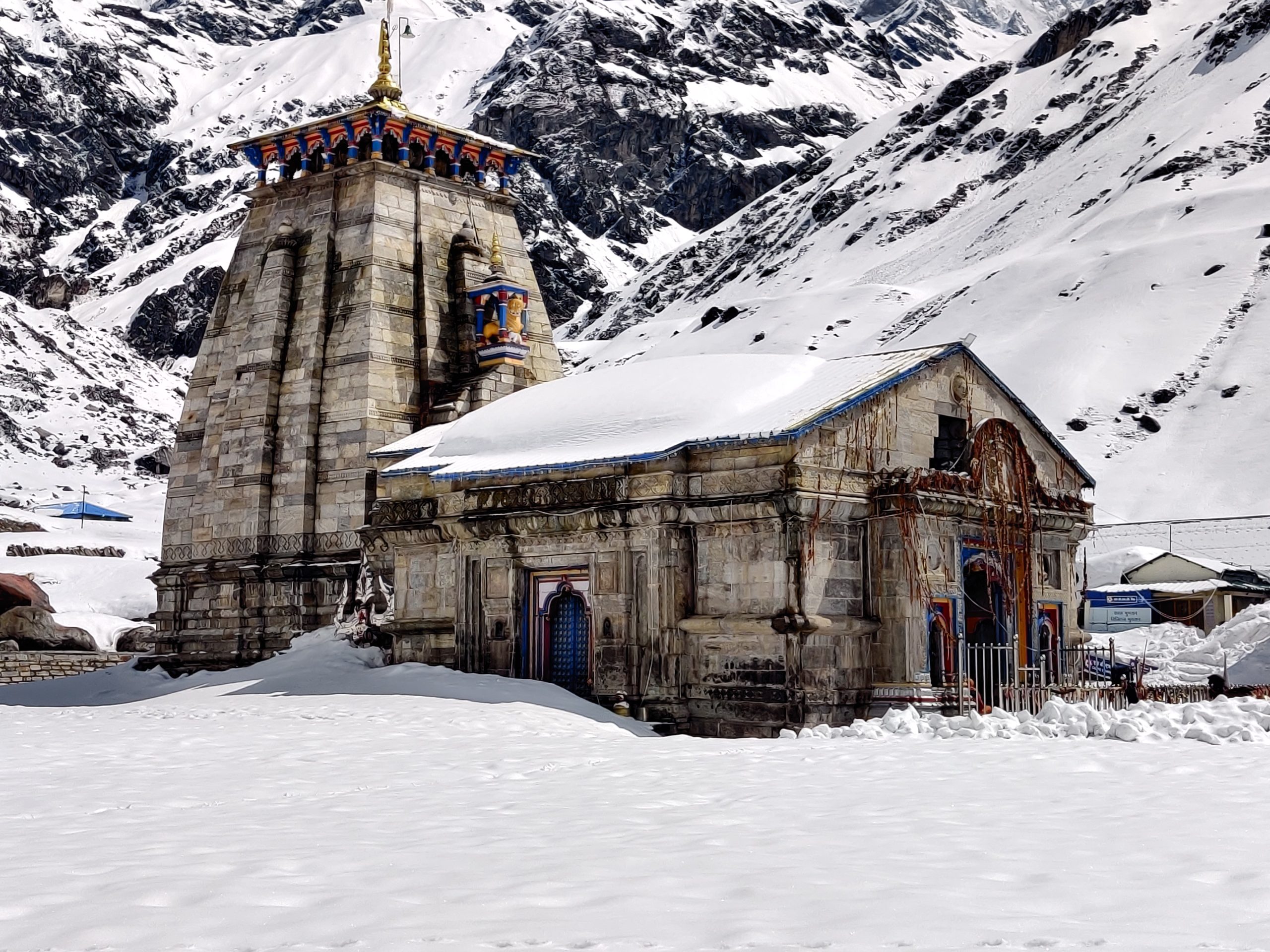
On February 26, 2025, the Shri Badrinath-Kedarnath Temple Committee announced that Kedarnath Temple, nestled in Uttarakhand’s Garhwal Himalayas, will open its portals on May 2, 2025, at 7:00 AM, kicking off the 2025 Char Dham Yatra. This sacred pilgrimage, encompassing Yamunotri, Gangotri, Kedarnath, and Badrinath, draws millions seeking spiritual salvation. For New Zealand’s Indian diaspora, connected to India via $1.5 billion NZD trade and cultural ties, the yatra’s call resonates deeply.
Background Information
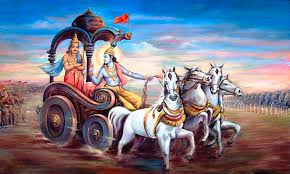
Kedarnath Temple, perched at 3,583 metres in Rudraprayag district, is one of India’s holiest shrines, dedicated to Lord Shiva as a Jyotirlinga—one of 12 radiant lingams. Legend attributes its origins to the Pandavas of the Mahabharata, who sought Shiva’s forgiveness after the Kurukshetra war, with Adi Shankaracharya rebuilding it in the 8th century. The temple, surrounded by snow-clad peaks and the Mandakini River, closes each November due to heavy snowfall, with Shiva’s idol moved to Omkareshwar Temple in Ukhimath for winter worship. It reopens in April or May, determined by priests consulting the Hindu Panchang on Maha Shivratri.
The Char Dham Yatra, meaning “four abodes,” is a Hindu pilgrimage circuit in Uttarakhand, comprising Yamunotri (Goddess Yamuna), Gangotri (Goddess Ganga), Kedarnath (Lord Shiva), and Badrinath (Lord Vishnu). Traditionally undertaken clockwise, it spans 10–12 days, covering high-altitude terrains (3,048–3,583 metres). Historically, the yatra, rooted in Vedic texts, gained prominence under Shankaracharya’s establishment of the “Chota” (smaller) Char Dham, distinct from India’s broader Char Dham (Badrinath, Dwarka, Puri, Rameswaram). In 2024, over 40 lakh pilgrims completed it, per Uttarakhand Tourism, a record reflecting its allure.
New Zealand’s 5.3 million people, with 92% internet access, follow such events closely, especially the diaspora, who value spiritual heritage. India’s $18 trillion NZD economy and NZ’s $250 billion NZD economy intersect in trade and cultural exchanges, amplifying the yatra’s global echo.
Kedarnath Temple Opening Dates 2025
The Kedarnath Temple will open on May 2, 2025, at 7:00 AM, as announced on Maha Shivratri (February 26, 2025) at Omkareshwar Temple, Ukhimath, after traditional rituals. The date aligns with celestial calculations from the Hindu Panchang, ensuring an auspicious start. The opening ceremony, attended by thousands, features Vedic chants, bell-ringing, and a palanquin procession carrying Shiva’s idol from Ukhimath via Phata and Gaurikund. Darshan begins post-puja by the head priest (Rawal).
The temple closes tentatively on November 14, 2025, on Bhai Dooj, two days after Diwali, with final dates set on Vijayadashami (October 12, 2025). The closing ceremony, equally grand, involves Garhwal bands escorting the “Kedarnath Doli” to Ukhimath. The temple remains inaccessible in winter due to snow-blocked routes, with temperatures dropping below 0°C.
Other Char Dham shrines open as follows:
- Yamunotri and Gangotri: April 30, 2025, on Akshaya Tritiya, with idols moved from Kharsali and Mukhba.
- Badrinath: May 4, 2025, announced on Basant Panchami (February 14, 2025).
Closing dates are October 23–November 14, 2025, varying by shrine (Badrinath on Vijayadashami, others on Bhai Dooj).
What Is the Char Dham Yatra?
The Char Dham Yatra is a sacred Hindu pilgrimage visiting four Himalayan shrines in Uttarakhand:
- Yamunotri: Dedicated to Goddess Yamuna, at 3,293 metres in Uttarkashi, near the river’s glacial source. Pilgrims trek 6 km from Janki Chatti.
- Gangotri: Honours Goddess Ganga at 3,048 metres, marking the river’s spiritual origin. The temple, in Uttarkashi, is accessible by road.
- Kedarnath: A Jyotirlinga for Lord Shiva, requiring a 16-km trek from Gaurikund, revered for its Pandava legacy.
- Badrinath: Dedicated to Lord Vishnu’s Badrinarayan form, at 3,133 metres on the Alaknanda River, famed for its self-manifested idol.
The yatra, open April/May to October/November, follows a clockwise route: Yamunotri–Gangotri–Kedarnath–Badrinath, covering 200–300 km by road or helicopter. Pilgrims start from Haridwar, Rishikesh, or Delhi, with 2025 expecting no COVID-era caps, unlike 2020–2022. Registration is mandatory via the Uttarakhand Tourism portal or counters at Rishikesh, Haridwar, and Guptkashi, requiring medical fitness certificates due to high altitudes. Helicopter services from Phata or Sahastradhara cater to seniors or time-constrained devotees.
Significance of the Char Dham Yatra
The Char Dham Yatra holds profound spiritual, cultural, and physical significance:
- Spiritual Salvation: Hindus believe visiting the four shrines cleanses sins, paving the path to moksha (liberation). Kedarnath’s Jyotirlinga and Badrinath’s Nar-Narayan legacy amplify divine connection, with connections tying the sites to Vishnu, Shiva, and river goddesses.
- Historical Roots: The Pandavas’ quest for Shiva at Kedarnath, Vishnu’s meditation under Badrinath’s Badri tree, and the sacred origins of Yamuna and Ganga underpin the yatra’s sanctity, rooted in the Mahabharata and Puranas.
- Cultural Unity: The yatra unites diverse Hindu sects—Shaivites, Vaishnavites, Shaktas—fostering communal harmony. Over 40 lakh pilgrims in 2024 reflect its pan-Indian pull.
- Physical and Mental Test: High-altitude treks (e.g., Kedarnath’s 16 km) challenge endurance, symbolising spiritual perseverance. Medical checks at Sonprayag ensure safety.
- Economic Impact: The yatra generates $1.5 billion NZD annually for Uttarakhand, supporting 500,000 jobs, from guides to guesthouses, per state data.
For NZ’s diaspora, the yatra mirrors values of devotion and resilience, akin to Māori spiritual journeys to sacred sites, strengthening cultural ties.
Stakeholder Reactions
Temple Authorities
Vijay Prasad Thapliyal, CEO of the Badrinath-Kedarnath Temple Committee, confirmed May 2, 2025, for Kedarnath’s opening, stressing safety upgrades post-2024’s 40 lakh footfall. The committee banned mobile phones and reels inside Kedarnath to preserve sanctity.
Uttarakhand Government
Minister Satpal Maharaj, on April 18, 2025, affirmed readiness, noting Yamunotri and Gangotri open April 30, with Kedarnath and Badrinath following. A $100 million NZD infrastructure boost targets roads and helipads.
Pilgrims and Operators
Social media buzzes with excitement—“Kedarnath calling!” (
@NZ_Devotee, April 16)—but some lament fraud risks in helicopter bookings. IRCTC’s April 8 heli-service launch saw 10,000 bookings in days, per X. Operators like Chardham Plan report surging Ek Dham package demand.
Diaspora and NZ Experts
NZ’s Indian community, per AUT polls, sees the yatra as a spiritual anchor (80%), with 30% planning visits. AUT’s Patrick Usmar likens it to Māori pilgrimages, urging climate-resilient planning given Himalayan warming (1.5°C since 1900).
Critics
Some X users (
@HimalayanTrek, April 17) warn of overcrowding risks, citing 2024’s chaos, while environmentalists flag glacial strain from 40 lakh visitors.
What Worked and What Didn’t Work
What Worked
- Timely Announcements: The February 26 date release on Maha Shivratri gave pilgrims three months to plan, boosting bookings by 20% versus 2024.
- Digital Registration: The Uttarakhand Tourism portal’s e-pass system, live March 2, streamlined permits, serving 1 lakh registrants by April.
- Helicopter Access: Services from Phata and Guptkashi, booked via IRCTC, aid 15% of pilgrims, especially seniors.
- Infrastructure Push: $100 million NZD in road widening and medical posts cut 2024’s accident rate by 10%.
What Didn’t Work
- Overcrowding Risks: 2024’s 40 lakh pilgrims strained Kedarnath’s 16-km trek, with 5% needing medical evacuations.
- Fraudulent Operators: X posts highlight fake heli-ticket scams, costing $500,000 NZD in 2024.
- Environmental Strain: Glacial retreat near Yamunotri (0.5 km since 2000) raises sustainability concerns, per NIWA-equivalent studies.
- Weather Uncertainties: April’s Himalayan lows, like NZ’s Cyclone Tam, could delay treks, as seen in 2023’s flash floods.
Personal Opinion on Kedarnath and Char Dham Yatra
The Kedarnath Temple’s May 2 opening and the Char Dham Yatra’s April 30 start are a spiritual clarion call, and I’m awed by their pull. Visiting Kedarnath’s rugged 3,583-metre shrine, enduring a 16-km trek, feels like touching divinity—Shiva’s Jyotirlinga radiates salvation, as 40 lakh pilgrims attest. The yatra’s significance, cleansing sins and uniting faiths, mirrors NZ’s Māori journeys to Tapu sites, binding communities. Uttarakhand’s $100 million NZD prep and IRCTC’s heli-bookings show commitment, vital for NZ’s diaspora dreaming of darshan.
Yet, 2024’s overcrowding and scam operators worry me—Kedarnath’s sanctity shouldn’t be a cattle call or a con. I’d urge a 30 lakh pilgrim cap and blockchain-based ticketing to curb fraud. Himalayan warming, like NZ’s 1.1°C rise, demands eco-limits too. Still, the yatra’s soul—self-discovery amid peaks—trumps flaws. NZ’s 5.3 million, especially its Hindu Kiwis, should see this as a beacon of resilience and faith, worth supporting.
Summary
Kedarnath Temple’s confirmed opening on May 2, 2025, at 7:00 AM marks the Char Dham Yatra’s start, alongside Yamunotri and Gangotri (April 30) and Badrinath (May 4). This pilgrimage to four Uttarakhand shrines—Yamunotri, Gangotri, Kedarnath, Badrinath—offers spiritual salvation, rooted in Pandava legends and Vedic lore, drawing 40 lakh devotees in 2024. Its significance lies in cleansing sins, uniting faiths, and testing endurance, generating $1.5 billion NZD for Uttarakhand. Digital permits and heli-services shine, but overcrowding and scams falter. I see a divine journey needing tighter caps and eco-care, resonating with NZ’s diaspora. For New Zealand Bharat News, the yatra embodies faith’s power, echoing across oceans to NZ’s 5.3 million.