Lara Zijl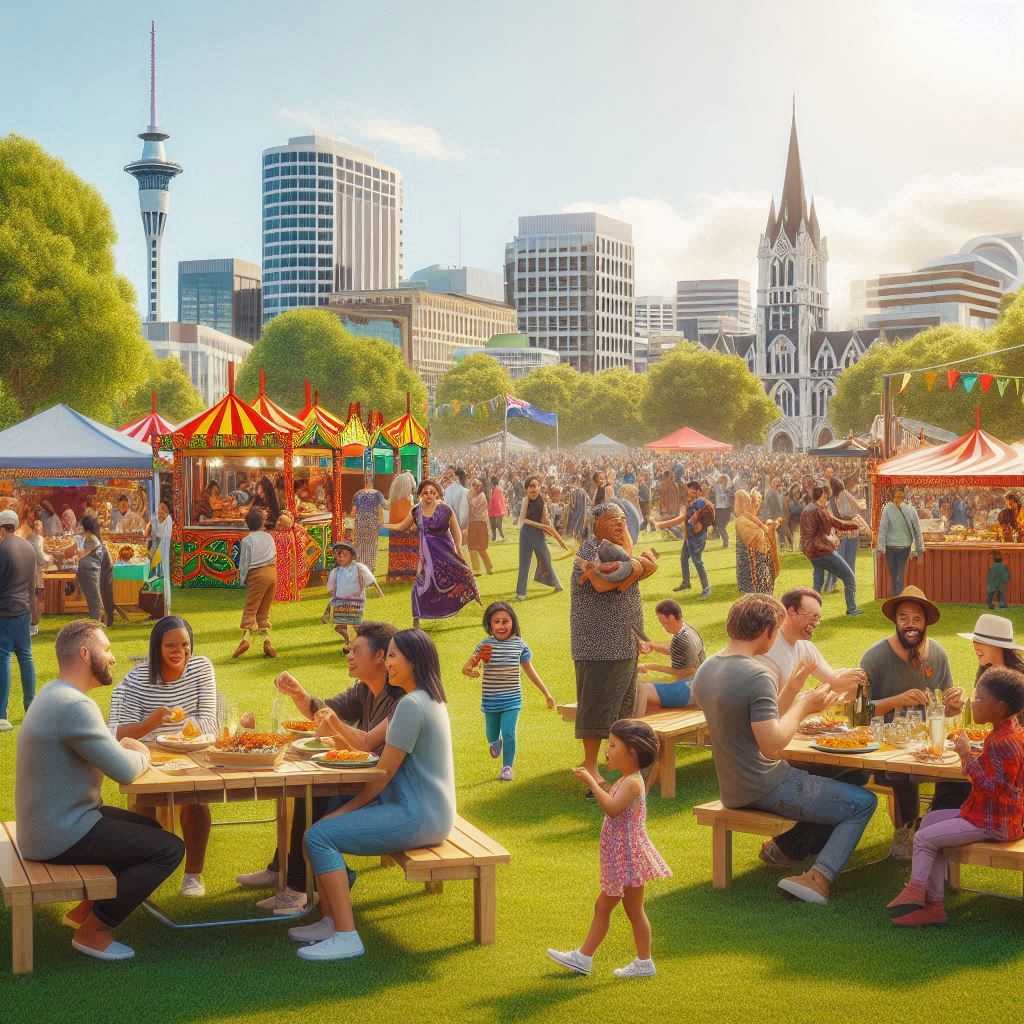
By Tracey Wilson | NZB News | 27 April 2025
Background
Local government in New Zealand — often underestimated compared to the central government — plays a pivotal role in shaping the everyday experiences of residents. From libraries and parks to local business regulations and community events, councils influence the pulse of towns and cities across Aotearoa.
In recent years, as New Zealand’s demographic landscape becomes increasingly multicultural, local governments have begun undertaking a quiet but profound transformation: embedding inclusivity, diversity, and equity into their governance structures and public policies.
Aotearoa’s Shifting Demographics
With nearly 30% of New Zealand’s population born overseas, and the Indian community now the fastest-growing ethnic group after Māori and Pasifika populations, councils are facing new realities.
Multiculturalism is no longer a distant ideal; it is a present-day necessity — critical for community cohesion, economic growth, and social innovation.
Councils are responding with a mix of enthusiasm, innovation, and, occasionally, controversy.
Key Initiatives Across Local Governments
- Multicultural Advisory Panels
Auckland Council’s Multicultural Advisory Panel has been a trailblazer, ensuring that voices from Indian, Chinese, Pacific, African, Middle Eastern, and other communities inform city strategies, public consultations, and civic events. - Cultural Celebrations in the Civic Calendar
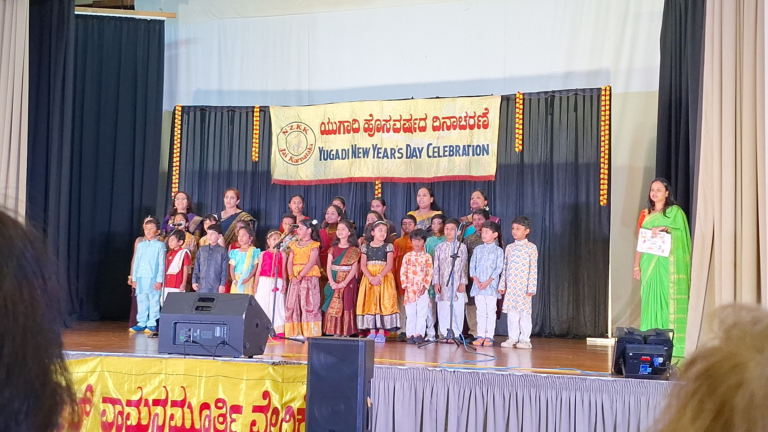
Increasingly, local councils are formally recognising Diwali, Eid, Chinese New Year, Matariki, and Holi as key civic celebrations. For example, Wellington’s annual Diwali festival is co-sponsored by the city council and draws thousands of attendees. - Language Accessibility
Some councils, such as Hamilton City Council, have launched pilot programmes to offer council documents and emergency information in multiple languages, including Hindi, Mandarin, and Samoan. - Inclusive Economic Development
Business support schemes are being adapted to cater to migrant entrepreneurs, particularly in South Auckland and Hamilton, where many Indian and Pacific Islander small businesses are flourishing. - Community Centres and Hubs
Investment in multicultural community centres, such as the newly established Multicultural Hub in Christchurch, provides vital space for ethnic groups to gather, share, and innovate.
Challenges and Tensions
However, the path is not without obstacles:
- Representation Gaps: While Māori wards have gained legislative support, other ethnic minority representations (such as Indians, Chinese, and Pasifika communities) in elected councils remain disproportionately low.
- Resource Constraints: Smaller councils often struggle to balance growing multicultural needs with limited budgets and staffing.
- Backlash and Resistance: Some initiatives promoting diversity have faced pushback from segments resistant to demographic change, highlighting the continuing need for education and dialogue.
Legal and Governance Innovations
In response to these challenges, several councils are adopting:
- Diversity and Inclusion Strategies: These are formal frameworks embedded into Long-Term Plans (LTPs) and Annual Plans.
- Co-governance Models: Inspired by Treaty partnership models with iwi, councils are experimenting with shared decision-making structures that can potentially be expanded to broader multicultural contexts.
- Consultative Reforms: Moving from traditional “submit your feedback” models to more participatory, community-led consultation processes — meeting people where they are, culturally and linguistically.
Discussion: Why Local Matters
While national policies create the framework for immigration and multiculturalism, it is at the local level — in parks, schools, libraries, and council chambers — that New Zealand’s diverse communities truly experience inclusion or exclusion.
Therefore, the work of local governments is foundational, setting the tone for how New Zealand evolves as a nation.
In many ways, successful multicultural governance at the local level is New Zealand’s proving ground for its global aspirations as a forward-thinking, inclusive, and harmonious society.
Summary
In the quiet corridors of council buildings and the bustling stages of community events, a new New Zealand is taking shape — a New Zealand where diversity is not merely tolerated but celebrated, woven into the very fabric of civic life.
Local governments are showing that true leadership lies not just in grand speeches, but in everyday actions: ensuring a mother can read council notices in her first language; making sure a child sees her festival honoured by her city; creating spaces where every community feels seen, heard, and valued.
As the sun sets behind Aotearoa’s mountains and seas, it casts a light on a country learning, growing, and reaching — towards a future that is proudly, vibrantly, unmistakably multicultural.