Lara Zijl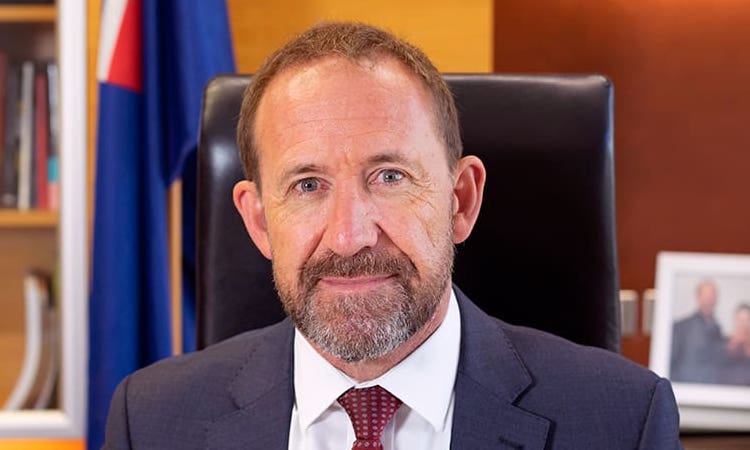
Andrew Little, former Labour Party leader and senior Cabinet Minister, has officially launched his campaign for Wellington’s mayoralty, setting the stage for one of the most closely watched local elections in recent memory. With Labour’s endorsement and a platform focused on transparency, community investment, and sound financial management, Little’s entry has immediately shifted the dynamics of the race and injected fresh energy into the capital’s political landscape.
From Parliament to the Capital’s Top Job
After leaving Parliament in 2023, Andrew Little has turned his attention to local government, seeking to bring his national experience and reputation for steady leadership to Wellington City Council. His campaign launch at Wharewaka Function Centre drew a large crowd and considerable media attention, reflecting both his profile and the appetite for change among many Wellingtonians.
Little’s decision to run comes at a time when the city faces significant challenges: crumbling infrastructure, ballooning project costs, contentious debates over community facilities, and a public that has grown increasingly frustrated with council performance and transparency.
Key Policy Commitments and Campaign Themes
1. Transparency and Public Engagement
A central pillar of Little’s campaign is a pledge to make Wellington City Council more open, democratic, and accountable. He has promised to end the culture of closed-door meetings and the overuse of commercial confidentiality, ensuring councillors and the public have access to the information needed for good decision-making.
Little proposes that all major council decisions be accompanied by Community Impact Statements, modelled on government regulatory impact statements. These would outline the effects of each decision on affected communities and summarise public feedback, making the council’s processes more transparent and responsive.
2. Protecting and Investing in Community Facilities
Little has drawn a clear line on the future of Wellington’s libraries, swimming pools, and community centres, promising no cuts to opening hours and vowing to “save” beloved local assets like Khandallah Pool, the Begonia House, and the Karori Events Centre. He has committed an additional $1.3 million to complete the Karori project and prioritised new investment in high-use areas such as Kilbirnie and Tawa.
This stance is a direct response to recent council proposals to close or reduce services at these facilities, which sparked significant public backlash. Little argues that low-cost, practical solutions and better financial management can protect and upgrade community assets without resorting to service cuts.
3. Strong Financial Management
With Wellington’s Town Hall restoration facing a $150 million budget blowout and other major projects under scrutiny, Little is promising a more disciplined approach to council spending. He plans to establish an external capital advisory group, made up of construction, engineering, and project management professionals, to ensure project costs are realistic and to reduce the risk of further overruns.
Little’s message is that Wellington can deliver the infrastructure and services residents want, but only if it manages its finances more effectively and sets clear priorities.
4. Housing and Urban Development
While detailed housing policies are expected to be released in the coming months, Little has already signalled his intent to support more housing development and address the city’s chronic shortage. He has also voiced support for urban revitalisation and investment in parks and public spaces, aiming to make Wellington a more liveable and attractive city.
5. Public Transport and Infrastructure
Little wants to make public transport cheaper and more accessible, and has called for urgent action to fix the city’s ageing water pipes and core infrastructure. He supports active transport initiatives like cycling but has indicated he would take a more measured and consultative approach to major changes, such as the Golden Mile upgrade, compared to some of his rivals.
Campaign Strategy and Political Positioning
Little’s campaign is positioning him as the “adult in the room”-a steady, experienced leader who can restore trust in the council and deliver practical results. He’s leaning into his track record of public openness, referencing his time as Minister for the Pike River recovery, where he made all technical and policy advice public within 30 days.
He’s also aiming to bridge the gap between the city’s progressive and more moderate voters. While supporting many progressive causes, Little has signalled a willingness to consult widely and avoid polarising decisions, seeking to unite rather than divide Wellingtonians.
This approach sets him apart from incumbent mayor Tory Whanau, who has championed bold urbanist policies, and from right-leaning challenger Ray Chung, who is running on a platform of zero rates increases and sharp spending cuts.
Challenges and the Road Ahead
Little’s entry has reshaped the mayoral race, making it more competitive and raising the stakes for all candidates. His Labour endorsement gives him a strong organisational base, but he will need to appeal beyond the party’s core supporters to win under Wellington’s single transferable vote (STV) system.
He faces the challenge of convincing voters that his promises of transparency and financial discipline are more than just rhetoric, especially given the city’s recent history of project overruns and contentious decisions. He will also need to address concerns about balancing investment in community facilities with the need to keep rates affordable.
Another test will be differentiating himself from other progressive candidates, particularly as the Greens have gained strength locally and are pushing for more transformative urban policies. Little’s more measured approach to issues like bike lanes and the Golden Mile upgrade may appeal to suburban and moderate voters, but risks alienating some on the left.
Broader Political Implications
Little’s campaign is being closely watched not just in Wellington but across New Zealand, as it signals a new phase for Labour’s involvement in local government and the potential for experienced national figures to play a greater role in city leadership. His success or failure could influence how other parties approach future local elections.
The race is also a test of public appetite for change in Wellington, a city that has long prided itself on civic engagement and progressive values but has been rocked by recent controversies and growing frustration with council performance.
Voter Sentiment and the Stakes for Wellington
Early reactions to Little’s campaign have been positive, with many residents welcoming his focus on transparency and community investment. However, the campaign is just beginning, and the coming months will see intense debate over rates, infrastructure, housing, and the city’s direction.
Wellingtonians have until October to decide who they trust to lead the capital through its current challenges and into a new era. Little’s message is clear: the city has the talent and ideas it needs, but it requires serious leadership and a council that listens and works alongside its communities.
Summary
Andrew Little’s mayoral campaign marks a significant moment in Wellington’s political life. With a platform centred on transparency, strong financial management, and protecting community facilities, he is promising urgent change and a new style of leadership for the capital. As the campaign unfolds, Wellingtonians will have the chance to weigh his experience and vision against those of his rivals and decide what kind of city they want Wellington to be in the years ahead.