



 Col. (retd.) Dinesh Ramaswamy
 By Col. (Retd.) Dinesh Ramaswamy, exclusively for New Zealand Bharat News (NZB News)
Introduction
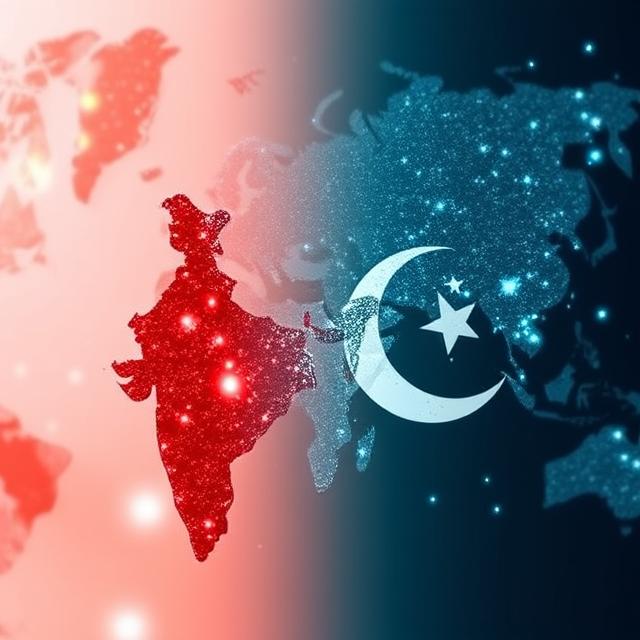
India stands at the threshold of an economic renaissance, rapidly transforming into a global powerhouse. As Bharat surges ahead—overtaking economic giants and forging dynamic international partnerships—Pakistan finds itself mired in stagnation, isolation, and self-inflicted crises. This article exposes the stark contrast between India’s economic ascendancy and Pakistan’s chronic failures, revealing how Bharat’s strategic vision, reforms, and global alliances have not only secured its prosperity but also exposed Pakistan’s propaganda and economic mismanagement.
India’s Meteoric Rise: From Tenth to Fourth Largest Economy
In just over a decade, India has leapt from being the world’s tenth largest economy to its fourth, surpassing the UK and Japan. With a projected GDP of over $4 trillion in 2025, India is poised to overtake Germany and become the third largest economy within the next three years. This remarkable ascent is powered by sustained growth, robust reforms, and a relentless focus on innovation and infrastructure.
India’s average annual GDP growth rate of 6.2% in 2025 remains the fastest among major economies, outpacing the global average and leaving regional competitors far behind. Even as the world grapples with uncertainty, India’s economic trajectory remains upward, driven by private consumption, public investment, and a vibrant entrepreneurial ecosystem.
The India-Pakistan Economic Chasm: A Tale of Two Destinies
The economic gulf between India and Pakistan has never been wider. At the turn of the millennium, Pakistan’s per capita GDP was higher than India’s. Today, the tables have turned dramatically—India’s per capita GDP has soared by 74% in the last decade, while Pakistan’s has stagnated with a meager 11% growth. India’s unemployment rate has steadily declined to below 5%, while Pakistan’s has worsened, now exceeding 8% and rising.
India’s economic resilience is further underscored by its ability to weather global shocks, rebound from the pandemic, and maintain macroeconomic stability. In contrast, Pakistan’s economy is plagued by volatility, negative growth, and mounting unemployment, a direct result of policy failures, corruption, and misplaced priorities.
Strategic Economic Countermeasures: Exposing Pakistan’s Weakness
India’s economic strength is now a formidable tool in its strategic arsenal. Following Pakistan’s continued support for terrorism and illegal activities, India has implemented sweeping economic countermeasures:
- A complete ban on Pakistani imports, including those routed through third countries.
- Suspension of postal, parcel, and trade services, choking Pakistan’s limited export avenues.
- Restrictions on Pakistani vessels and aircraft, isolating Pakistan from regional trade routes.
- Suspension of the Indus Waters Treaty, initiating projects to maximize India’s water usage and reduce Pakistan’s leverage.
These measures have dealt a crippling blow to Pakistan’s fragile economy, exposing its dependence on India and its vulnerability to external shocks. While India’s economy remains largely unaffected by these disruptions, Pakistan faces a severe setback, with foreign reserves under strain and external financing drying up.
Global Partnerships: Expanding India’s Economic Footprint
India’s rise is not just a story of domestic reform but also of global engagement. Through a series of Free Trade Agreements (FTAs) and Comprehensive Economic Partnerships (CEPs), India has expanded its trade horizons and secured strategic investments:
- The CEPA with the UAE has boosted exports and attracted billions in investments.
- The TEPA with the European Free Trade Association promises $100 billion in investments over 15 years, targeting manufacturing and green technology.
- Ongoing FTA negotiations with the UK, EU, Israel, and the Eurasian Economic Union are set to unlock new markets, enhance energy security, and foster technological collaboration.
India’s proactive diplomacy and economic leadership in South Asia have also strengthened regional integration. Initiatives like SAFTA and bilateral projects with Bhutan, Bangladesh, and Nepal have cemented India’s role as the engine of South Asian growth, while Pakistan’s intransigence and isolation have rendered it irrelevant in regional forums.
The Pakistan Myth: Lies, Propaganda, and Economic Reality
Pakistan’s narrative of economic parity with India has been thoroughly debunked by hard data and global assessments. While Islamabad continues to peddle myths of resilience and recovery, the truth is stark:
- Pakistan’s GDP growth is anemic, with recurring contractions and negative trends.
- Its inflation and unemployment are rising, while foreign reserves remain dangerously low.
- International agencies warn that prolonged tensions with India will hurt Pakistan far more, jeopardizing its fiscal stability and access to external financing.
India, on the other hand, is recognized as a pillar of stability, with strong consumer demand, robust public investment, and a diversified export base. Global investors and partners are flocking to India, while Pakistan is left to plead for aid and bailouts.
Conclusion: Bharat’s Economic Triumph and Pakistan’s Self-Inflicted Decline
India’s economic revolution is a testament to visionary leadership, strategic reforms, and an unwavering commitment to national development. By embracing innovation, forging global partnerships, and leveraging its economic might, Bharat has secured its place among the world’s leading powers—while exposing and isolating Pakistan’s lies, failures, and fraudulent narratives.
The next article will examine how India’s economic strength translates into soft power, cultural influence, and global leadership, further cementing its position as the true anchor of stability and progress in South Asia.
Col. (Retd.) Dinesh Ramaswamy writes exclusively for New Zealand Bharat News (NZB News). Stay tuned for the next installment: “India’s Soft Power and Global Leadership: The Cultural and Diplomatic Edge over Pakistan.”