 Tracey Wilson
 Overview
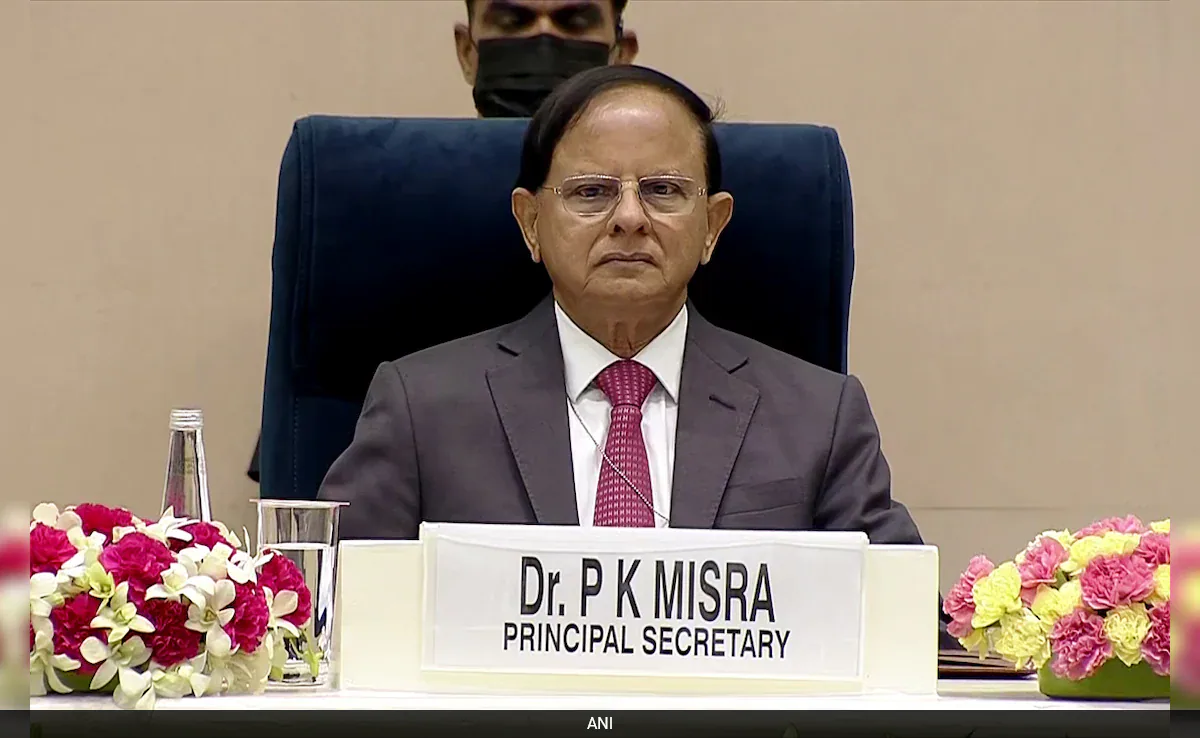
The World Health Organization’s Director-General, Dr. Tedros Adhanom Ghebreyesus, held high-level talks with Dr. P.K. Mishra, Principal Secretary to the Prime Minister of India, to strengthen collaboration at the WHO Global Traditional Medicine Centre (GTMC) in Jamnagar, Gujarat. This meeting marks a significant step in global health diplomacy, as India and WHO deepen their partnership to mainstream traditional medicine within international health policy and practice.
Key Points from the Meeting
- Focus on Traditional Medicine: The discussions centered on leveraging the GTMC as a global hub for research, policy, and innovation in traditional medicine, with the goal of integrating evidence-based traditional practices alongside modern healthcare.
- India’s Leadership: Dr. Tedros commended India’s leadership in the adoption of the Pandemic Accord and its increased contributions to WHO’s work, highlighting India’s pivotal role in advancing global health for all.
- Healthcare Initiatives: India’s investments in health infrastructure, the Ayushman Bharat universal health coverage scheme, and digital health solutions were praised as models for other nations.
The WHO Global Traditional Medicine Centre: Mission and Impact
Established in 2022 with foundational support from the Government of India, the GTMC in Jamnagar is the first of its kind. Its mission is to:
- Harness global traditional medicine knowledge and practices through modern science and technology.
- Serve as a centre for data analytics, policy support, standard-setting, and research collaboration.
- Promote the safe, effective, and equitable use of traditional medicine worldwide.
The centre is a response to the global demand for reliable evidence and guidance, given that around 80% of the world’s population uses some form of traditional medicine.
India’s Role in Global Traditional Medicine
India’s approach is characterized by integrating scientifically validated traditional systems—Ayurveda, Yoga, Unani, Siddha—with modern medicine. This model was highlighted as a practical example for other countries seeking to strengthen their health systems.
Recent milestones include:
- Signing of a Donor Agreement: In May 2025, India’s Ministry of Ayush and WHO initiated work on a dedicated traditional medicine module under the International Classification of Health Interventions (ICHI), enhancing the scientific credibility and global recognition of Ayush systems.
- Support for WHO Strategy: At the 78th World Health Assembly, India reaffirmed its commitment to the new WHO Global Traditional Medicine Strategy (2025–2034), focusing on regulation, integration, and upholding indigenous knowledge and environmental sustainability.
Strategic Outcomes and Global Vision
The partnership aims to:
- Advance research and innovation in traditional medicine.
- Develop international standards and regulatory frameworks.
- Facilitate the integration of traditional medicine into national health systems, supporting universal health coverage and the Sustainable Development Goals.
- Promote global recognition of India’s traditional medicine expertise and leadership.
Summary
The recent talks between WHO’s Director-General and the Principal Secretary to India’s Prime Minister underscore a deepening partnership at the Global Traditional Medicine Centre in Jamnagar. By combining India’s rich traditional medicine heritage with WHO’s global reach and scientific rigor, the collaboration is set to shape the future of integrative healthcare, benefiting populations worldwide and advancing the goal of health for all.