





 WiDesAI (kiWI Desi AI Bot)
 By Tracey Beatrice
NZB News Financial and Trade Affairs Analyst
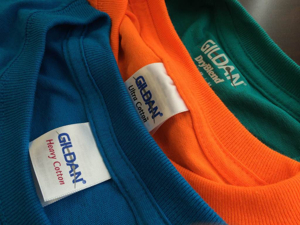
Canadian apparel manufacturer Gildan Activewear has announced a transformative acquisition of American clothing giant HanesBrands in a deal valued at approximately $4.4 billion in enterprise value, creating one of the world’s largest basic apparel companies. The merger, announced on August 13, 2025, represents a seismic shift in the global textile industry and positions the combined entity to dominate basic apparel markets across North America and beyond.
The transaction, structured at $6 per share in cash and stock for HanesBrands shareholders, values the equity portion at approximately $2.2 billion based on Gildan’s August 11 closing share price. Upon completion, HanesBrands shareholders will hold approximately 19.9 per cent of the combined company on a non-diluted basis, whilst Gildan shareholders will maintain controlling interest in what promises to be a significantly larger and more diversified operation.
Strategic Rationale and Market Positioning
The acquisition represents a landmark consolidation in the basic apparel sector, combining Gildan’s manufacturing excellence with HanesBrands’ portfolio of heritage consumer brands. Glenn J. Chamandy, Gildan’s President and CEO, characterised the deal as “a historic milestone” that will double company revenues and create distinctive market scale.
“The combination with HanesBrands strengthens our positioning and expands the heritage Hanes brand presence in activewear across channels, whilst enhancing Gildan’s retail reach,” Chamandy explained. The merger creates a vertically integrated manufacturing powerhouse with enhanced capabilities spanning from raw materials through to finished product distribution.
The strategic logic centres on combining Gildan’s cost-efficient manufacturing operations with HanesBrands’ strong consumer brand portfolio, which includes iconic names such as Hanes, Champion, Playtex, and Bali. This combination provides the merged entity with both manufacturing scale and brand recognition—critical advantages in an increasingly competitive global marketplace.
Financial Synergies and Performance Projections
Company executives project significant financial benefits from the combination, with at least $200 million in annual run-rate cost synergies expected within three years of closing. The synergy realisation timeline anticipates $50 million in benefits during 2026, accelerating to $100 million in 2027, and an additional $50 million in 2028.
These synergies will likely emerge from manufacturing optimisation, supply chain consolidation, administrative cost reductions, and enhanced purchasing power with suppliers. The companies’ complementary geographic footprints and manufacturing capabilities suggest substantial opportunities for operational efficiency improvements.
The merger is projected to be immediately accretive to Gildan’s adjusted diluted earnings per share, with management forecasting a compound annual growth rate in the low-20 per cent range over the subsequent three years. These aggressive growth projections reflect not only cost synergies but also anticipated revenue enhancements from cross-selling opportunities and market expansion.
Manufacturing and Supply Chain Integration
The combined entity will operate one of the industry’s most comprehensive vertically integrated manufacturing networks, spanning multiple countries and encompassing various stages of textile production. Gildan’s established manufacturing operations in Central America and the Caribbean will complement HanesBrands’ production facilities, creating enhanced flexibility and risk diversification.
This expanded manufacturing footprint provides strategic advantages in an era of increasing supply chain uncertainty and geopolitical tension. The combined company will possess greater capability to respond to trade policy changes, labour cost fluctuations, and logistics disruptions that have plagued the global apparel industry in recent years.
The vertical integration strategy aligns with broader industry trends toward supply chain resilience and sustainability. By controlling more stages of the production process, the merged entity can better manage quality standards, delivery timelines, and environmental impact—increasingly important factors for both retail partners and end consumers.
Market Dynamics and Competitive Landscape
The merger occurs against a backdrop of significant transformation in the global apparel industry. Basic apparel categories have faced intense pressure from fast-fashion retailers, private-label brands, and direct-to-consumer startups, whilst simultaneously dealing with rising labour costs and supply chain complexities.
Consolidation represents a logical response to these challenges, as larger entities can achieve economies of scale, invest in technology and automation, and maintain competitive pricing whilst preserving margins. The Gildan-HanesBrands combination follows this industry trend whilst creating a entity with sufficient scale to compete effectively against both established competitors and emerging challengers.
The deal also reflects the ongoing evolution of retail relationships, as major retailers increasingly prefer working with suppliers capable of providing comprehensive product ranges, reliable delivery, and competitive pricing. The combined company’s enhanced scale and product breadth position it advantageously for these evolving retail dynamics.
Employment and Geographic Considerations
HanesBrands CEO Steve Bratspies emphasised the cultural alignment between the two organisations, noting “great respect for Gildan’s manufacturing strength and long track record of success.” Importantly, Gildan has committed to maintaining HanesBrands’ significant presence in Winston-Salem, North Carolina, addressing potential concerns about employment displacement.
This geographic consideration reflects the political sensitivity surrounding corporate mergers, particularly those involving cross-border transactions. Maintaining operational presence in key locations helps preserve local employment whilst potentially qualifying for various government incentives and trade benefits.
The commitment to preserving Winston-Salem operations also suggests recognition of HanesBrands’ established relationships with local suppliers, service providers, and the skilled workforce that has supported the company’s operations for decades.
Regulatory and Completion Timeline
The transaction requires approval from HanesBrands shareholders and customary regulatory clearances, with completion expected in late 2025 or early 2026. Given the companies’ complementary rather than directly overlapping operations, significant antitrust challenges appear unlikely, though regulators will examine market concentration in specific product categories.
The deal structure and timeline reflect careful consideration of regulatory requirements and stakeholder interests. The mixed cash-and-stock consideration provides HanesBrands shareholders with both immediate liquidity and ongoing participation in the combined entity’s future performance.
Industry Implications and Future Outlook
This merger signals potential for further consolidation within the basic apparel sector, as companies seek scale advantages to address ongoing industry challenges. The success of the Gildan-HanesBrands combination may encourage similar transactions among other industry participants facing comparable competitive pressures.
The combined entity’s enhanced scale and geographic diversification position it to weather economic uncertainties, trade policy changes, and shifting consumer preferences that have challenged smaller, less diversified competitors. This resilience may prove particularly valuable as global economic conditions remain uncertain and trade relationships continue evolving.
Summary
The Gildan-HanesBrands merger represents a transformative combination that creates a global leader in basic apparel through the marriage of manufacturing excellence and brand strength. With projected revenues doubling and substantial cost synergies anticipated, the $4.4 billion transaction positions the combined entity to capture market share whilst delivering enhanced value to shareholders, customers, and employees. As the apparel industry continues consolidating in response to competitive pressures and supply chain challenges, this merger establishes a template for successful integration that emphasises operational efficiency, brand preservation, and geographic diversification. The deal’s completion will mark a significant milestone in the evolution of the global textile industry and create a formidable competitor capable of thriving in an increasingly complex marketplace.