 Theodora Chapman
 By Theodora Chapman, Wildlife Conservation, Sustainability and Nature Writer
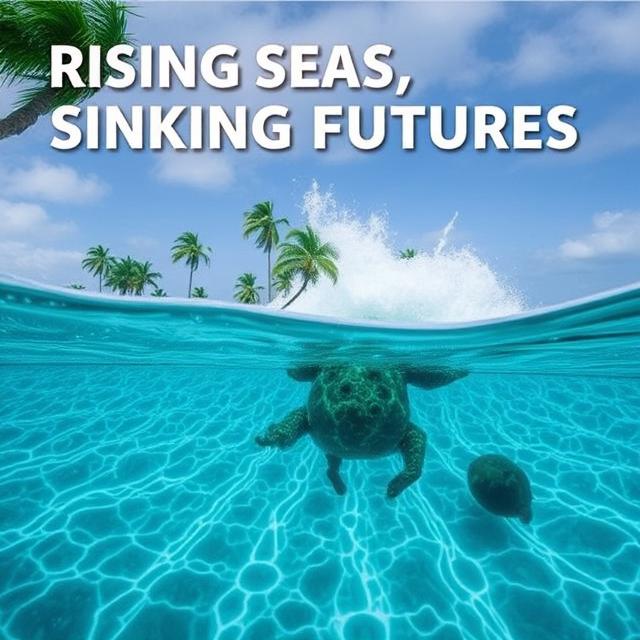
Across the Pacific, low-lying island nations are experiencing the accelerating impacts of climate change with increasing urgency. From disappearing shorelines in Tuvalu to salt-contaminated groundwater in Kiribati and more frequent king tides in the Cook Islands, rising sea levels are no longer a distant threat—they are reshaping lives, cultures, and national identities in real time.
Scientific data from NIWA and the Pacific Community (SPC) confirms that sea levels in the region are rising at nearly twice the global average—up to 8–10 millimetres per year in some areas. Warmer ocean temperatures, melting polar ice, and thermal expansion are driving this surge, with long-term projections suggesting that many inhabited atolls could become uninhabitable by 2050.
In Tuvalu, the government has taken the unprecedented step of launching a digital nation initiative—digitising legal records, cultural archives, and even creating a virtual representation of the country in the metaverse. “We are preparing for a future where our land may no longer sustain us,” said Prime Minister Feleti Teo. “But our nationhood, our people, and our sovereignty will endure.”
Coastal erosion is visibly transforming landscapes. In Funafuti, the capital of Tuvalu, families have watched their ancestral plots vanish into the sea. Traditional burial grounds have been relocated, and seawalls built from coral and concrete are being overwhelmed during high tides. Similar scenes are unfolding in Tarawa, where residents pump seawater out of flooded homes daily.
Freshwater scarcity is another growing crisis. Saltwater intrusion has contaminated underground aquifers, the primary source of drinking water for many communities. Rainwater harvesting systems are now essential, but prolonged droughts linked to intensified El Niño events are making them unreliable. Health officials report rising cases of waterborne diseases and malnutrition, particularly among children.
New Zealand, as a close regional partner, has expanded its Pacific Access Category (PAC) visa and introduced the Climate Refugee Pilot—allowing 100 residents annually from Tuvalu, Kiribati, and Tokelau to resettle due to climate-related displacement. However, many Pacific leaders stress that migration must be a choice, not a necessity. “We want to adapt, not abandon,” said a community leader from Abaiang in Kiribati.
Adaptation efforts are underway. Mangrove restoration, coral reef rehabilitation, and nature-based coastal defences are being prioritised over costly concrete structures. In Fiji, villages are relocating inland under government-led managed retreat programmes, with new housing built on higher ground. These relocations, while necessary, bring emotional and cultural challenges—severing ties to ancestral land and communal identity.
Regional cooperation is strengthening. The Pacific Islands Forum continues to advocate for stronger global emissions reductions, while countries like Vanuatu have led efforts at the International Court of Justice to seek an advisory opinion on climate obligations under international law.
Despite their minimal contribution to global carbon emissions, Pacific nations are bearing the brunt of climate inaction. Their plight serves as a stark warning and a moral call to wealthier nations.
Excerpt: As sea levels climb, Pacific island nations are navigating an existential crisis—fighting to preserve their land, sovereignty, and way of life through innovation, resilience, and urgent global advocacy.