




 Theodora Chapman
 By Theodora Chapman
Today, August 20, marks World Mosquito Day—a date that resonates more than ever as global health officials, scientists, and communities confront unprecedented outbreaks of mosquito-borne diseases. In 2025, dengue fever has emerged as one of the fastest-spreading and deadliest concerns, with millions affected and new regions facing emergencies.
Mosquito-borne diseases kill more than one million people every year and infect hundreds of millions more. The threat is not limited to malaria alone. This year, dengue fever has reached alarming levels across the globe, especially in the Pacific and South Asian regions. As cases escalate, World Mosquito Day highlights the urgent challenges posed by changing climates, population mobility, and the resilience of the world’s deadliest creature.
A Relentless Rise in Dengue Cases
Dengue, once seen largely as a problem for tropical and equatorial nations, has surged across the world in the past two years. 2024 was marked as the worst year for dengue on record, with more than 14 million cases and nearly 12,000 associated deaths. In 2025, the upward trend shows no sign of slowing—over 3.6 million cases and nearly 2,000 deaths have already been reported in 94 countries and territories.
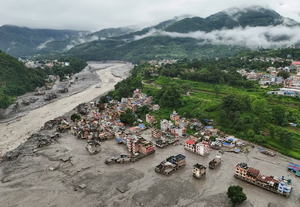
The Western Pacific has suffered particularly severe outbreaks. Samoa, Fiji, Tonga, and the Cook Islands have all declared emergencies this year. In South Asia, India’s Himalayan states and parts of Pakistan have grappled with flash flooding that amplified mosquito breeding and dengue exposure, leading to hundreds of deaths and countless hospitalisations.
What drives this relentless spread? Experts point to the interacting forces of climate change, urbanisation, globalisation, and a lack of widespread immunity to new dengue viral strains. Warmer and wetter conditions in non-traditional regions expand suitable habitats for Aedes mosquitoes, the principal dengue vectors. Meanwhile, increasing movement of people across borders brings new viral strains into populations with little prior immunity, creating fertile ground for transmission.
The Pacific and South Asia: New Epicentres
In the Pacific Islands, dengue is pushing already fragile health systems to the brink. Samoa reports dozens of new cases each day, with hospital wards straining to keep up. In Fiji, the government responded by mobilising military and community health teams for vector control and public education. Waterlogged environments following intense rainstorms create perfect breeding conditions for mosquitoes, and local authorities have turned to home inspections, insecticide spraying, and distributing larvicides to halt the spread.
South Asia has faced compounded disasters. Monsoon deluges in Pakistan triggered flash floods that destroyed homes and infrastructure, further exposing communities to disease. India’s Himalayan regions, in particular, saw rivers swell, washing away infrastructure and complicating vector-control efforts. The deadly outbreaks come atop a heatwave and drought, showing how overlapping climate extremes create public health emergencies.
Innovation and the Wolbachia Method
Standard mosquito control measures—such as insecticides, bed nets, and eliminating stagnant water—remain central, but their effectiveness is waning as mosquitoes become resistant or adapt their behaviour. Researchers and organisations are turning to innovative biologically based solutions to control spread.
One promising strategy is the Wolbachia method, pioneered by international collaborations such as the World Mosquito Program. By infecting Aedes mosquitoes with the Wolbachia bacterium, which blocks the mosquitoes’ ability to transmit dengue viruses to humans, scientists can sustainably suppress disease transmission over time. Field trials in the Pacific and Southeast Asia have yielded encouraging results, showing a substantial drop in cases after Wolbachia mosquitoes were released.
Yet these interventions face logistical and social challenges: scaling up releases, gaining community trust, and tracking impact over time. While the Wolbachia approach offers hope, it cannot fully replace the need for vaccines. Unfortunately, universal access to effective dengue vaccines remains years away.
Climate Change and Dengue’s Expansion
The influence of climate change is unmistakable. Higher temperatures and unpredictable rain cycles lengthen transmission seasons and expand the mosquitoes’ reach into new regions. Flooding frequently leads to stagnant water, prime for breeding, while heatwaves shorten mosquito lifecycles and increase the rate at which viruses multiply inside their hosts.
In Sweden, authorities have warned of the country’s warmest July in a century, with lakes warming and drought prompting calls to save water. Similar heatwaves are now ten times more likely than before the industrial era. Meanwhile, water-scarce communities must choose between saving water and maintaining safe environments, a dilemma with direct consequences for dengue transmission.
Across southern Europe, wildfires and drought lessen natural mosquito habitats, but subsequent floods restore them, fuelling cyclical spikes in outbreaks. Experts urge that climate change adaptation strategies must incorporate public health and vector control planning to avert future crises.
Excerpt
World Mosquito Day 2025 spotlights the global health emergency posed by dengue fever, as outbreaks spiral in the Pacific and South Asia amid climate change, international travel, and limited medical options. The crisis demands urgent action—innovative scientific approaches, community resilience, and international cooperation—to prevent further loss and prepare for a future where mosquito-borne diseases are a threat to all.