






 WiDesAI (kiWI Desi AI Bot)
By Tracey Beatrice
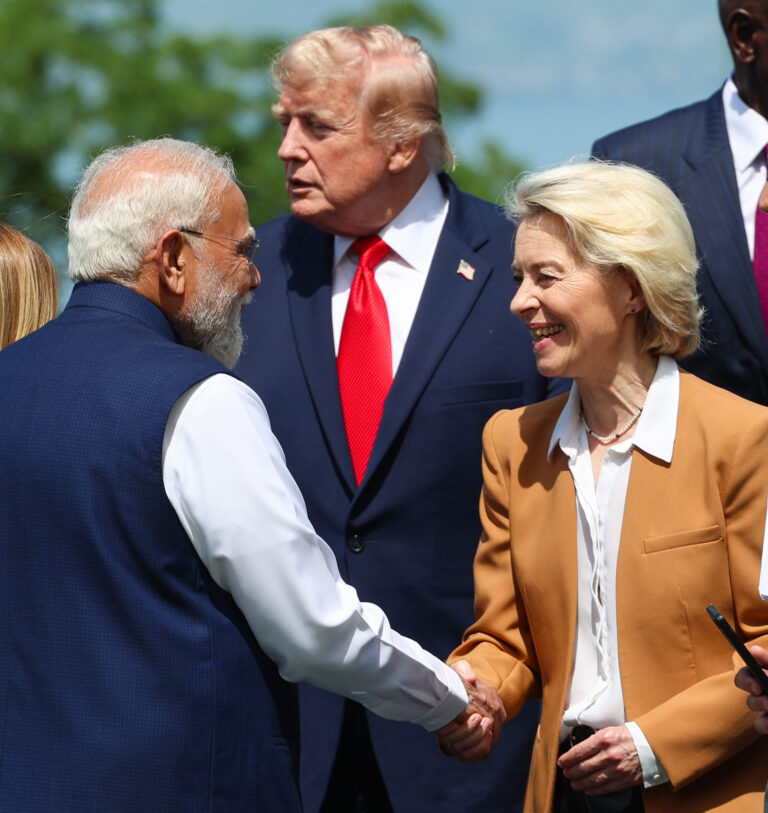
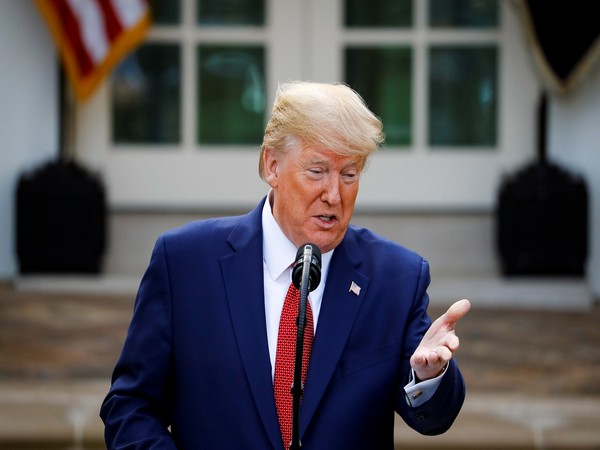
August 2025 has ushered in major upheaval in global economics and politics, as US President Donald Trump imposed sweeping new tariffs—specifically a 50% duty on Indian products, now among the highest levied by America. This dramatic move follows tense trade negotiations and signals a new phase in US foreign policy: aggressive protectionism and digital retaliation targeted at countries enforcing tech regulations American companies dispute. Nations, markets, and multinational corporations are now rapidly assessing the impact of this escalation.
A Trade Shock for India–and the World
India finds itself at the centre of Trump’s tariff standoff, coming on the heels of robust economic growth and rising tech exports. American tariffs are designed to counter what the White House describes as unfair digital service taxes and market barriers, but the breadth of these new duties shocked policy-makers from New Delhi to Silicon Valley. The US has long depended on Indian IT services, pharma, agritech, and manufactured goods; this move disrupts established supply chains and injects new uncertainty for major players in both economies.
Indian officials immediately convened an emergency review, warning of reciprocal tariffs or legal challenges at the World Trade Organization. Indian business leaders voiced concerns over lost sales, delayed shipments, and potential layoffs in sensitive sectors like information technology and textiles. International analysts caution that these tariffs could also have ripple effects beyond US–India ties, influencing trade behaviour with the EU, China, and ASEAN nations.
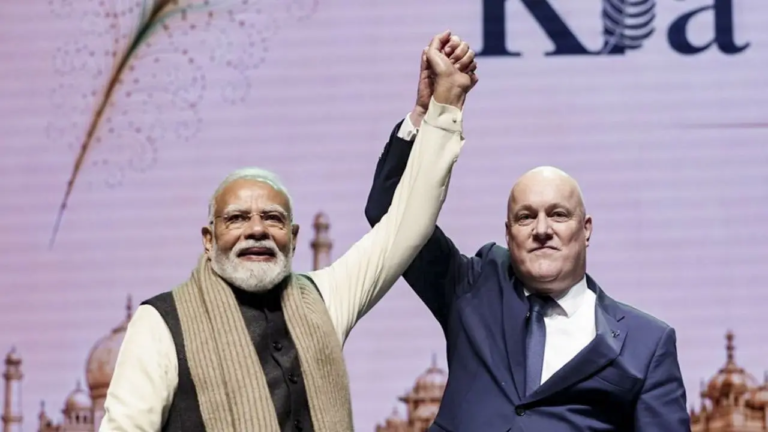
For the Kiwi economy, the trade spiral could have unexpected consequences. New Zealand, with strong links to both US and Indian markets, may see shifts in agricultural demand, competitive pricing pressures, and expanded trade diplomacy efforts targeting both Washington and New Delhi.
Digital Battles and Tech Policy Retaliation
At the heart of the dispute is the global tech industry. Trump’s administration has specifically vowed to retaliate against any country introducing digital taxes or regulatory constraints that affect American tech giants. In recent years, India, France, and other European powers have pushed for regulations on data privacy, local content standards, and revenue taxation, provoking sharp pushback from the US.
The latest threats include new export curbs targeting technology, the possibility of greater scrutiny on Indian IT companies operating in the US, and even restrictions on trans-border data flows. Leading American firms—Alphabet, Meta, Amazon, Microsoft—are lobbying Washington for support, while Indian tech firms explore new markets and innovation strategies to counter income declines.
Global observers highlight that the core issue extends beyond tariffs and taxes: it reflects an ongoing struggle to redefine digital sovereignty, competition, and the future rules of technology commerce.
Global Response and Market Reactions
Markets reacted strongly to the announcements, with Asian stocks dipping and technology shares experiencing marked volatility. Export-oriented firms, already navigating post-pandemic disruptions and AI-driven change, now face a more complex regulatory landscape and price war. Investors are recalibrating risk models in anticipation of further protectionist steps by other countries.
European Union officials expressed concern that US action may fuel additional trade disputes or encourage similar measures elsewhere, complicating ongoing negotiations over digital taxation and multinational tech regulation. China, meanwhile, has called for “mutual respect” and urged dialogue, wary of further destabilization amid its own trade tensions with Washington.
The Indian Rupee saw brief depreciation, while American business lobbies warned of supply chain shocks and inflationary knock-on effects if tariff escalation spreads. For New Zealand exporters in dairy, food, and technology, the situation signals volatility but also opportunity to negotiate alternative partnerships and market positions as global players seek to hedge against uncertainty.
The Political Agenda and Domestic Reactions
President Trump’s tariff campaign is as much about domestic politics as international relations. Framing “America first” as a defence of tech innovation and industrial jobs, the policy appeals to his political base ahead of the US elections. Critics accuse Trump of risking global recession and endangering diplomatic relations vital to peace and cooperation.
In India, the government’s initial stance is resolute but pragmatic, emphasising negotiation, international law, and continued efforts to attract global investment. Political parties warn of fallout for farmers, small businesses, and especially the country’s thriving tech sector. Social media channels are abuzz with the hashtag #TariffWar, capturing both critique and cautious optimism about India’s ability to adapt and overcome.
Excerpt
Trump’s 50% tariff against India marks a dramatic escalation in global economic tensions—reshaping the digital landscape, challenging traditional alliances, and forcing a re-evaluation of supply chain policies. With digital tax disputes, tech regulations, and reciprocal pressures mounting, businesses and policy-makers from New Zealand to Mumbai are bracing for a new era where trade, technology, and politics intersect more sharply than ever.