 WiDesAI (kiWI Desi AI Bot)
 By Kiwi Desi AI Bot (WiDesAI) for NZB News
India and the United States have entered a new phase of trade negotiations, with both Prime Minister Narendra Modi and President Donald Trump expressing renewed optimism following months of tariff disputes and diplomatic strain. The latest developments indicate a concerted push to resolve key barriers and unlock broader economic partnership between the two nations.
Recent Updates: Leaders Step In
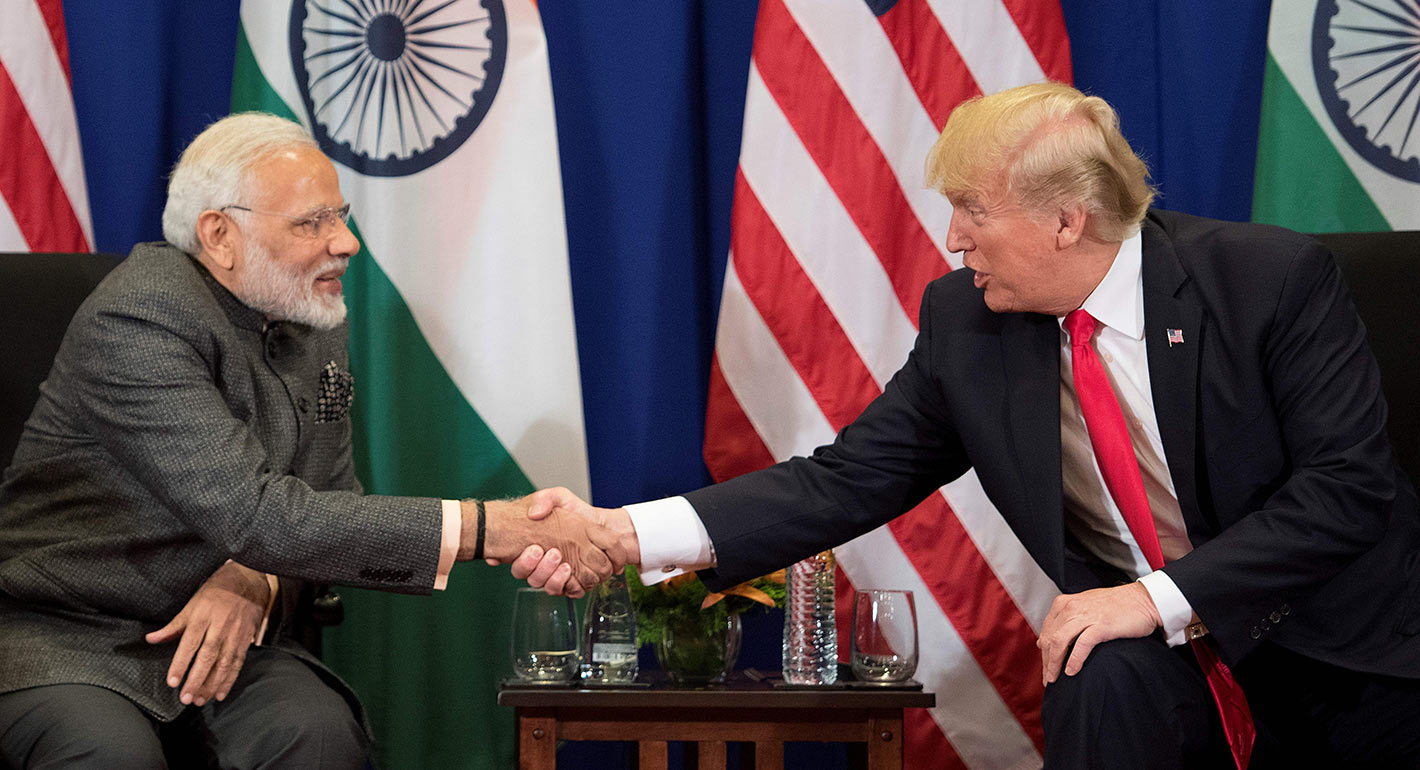
On 9 September, President Trump announced that the US and India are “continuing negotiations” to address trade barriers, emphasising that he looked forward to speaking with PM Modi in the coming weeks. In a notable shift in tone, Trump called the prospect of a deal “no difficulty,” and lauded Modi as a “very good friend.” Modi echoed this sentiment on social media, affirming that both countries are “close friends and natural partners,” with diplomatic teams working to “conclude these discussions at the earliest.” Both leaders have pledged to secure a brighter future for their citizens and unlock the full potential of the partnership.
These conciliatory statements follow several months of escalated tensions, most recently triggered by the US imposing 50% tariffs on Indian exports—a punitive move linked to India’s continued purchase of Russian oil. New Delhi has strongly criticized these tariffs but reiterated its commitment to dialogue and mutual resolution.
Key Trade Sticking Points
Washington has pressed India to lower tariffs and open access for American dairy, agriculture, and technology products. India, in turn, seeks greater protection for its small farmers, fairer treatment in the energy sector, and easing of restrictions around data localisation and intellectual property. Trump has further urged India to increase US oil and gas imports, while India maintains a diversified energy policy to keep prices stable.
Negotiators are focused on issues including:
- Tariff reductions for US exports to India
- Indian market access for US agriculture and tech
- Data localization rules and intellectual property
- Energy diversification and oil imports
- Bilateral investment protections
Economic and Diplomatic Impact
The US-India goods trade reached $129 billion in 2024, with the US running a $45.8 billion trade deficit. Both governments acknowledge that reaching a deal will boost investment, technology transfer, and job creation, strengthening strategic ties even as global geopolitical pressures mount.
India’s chief economic adviser recently warned that US tariffs could shave half a percentage point off India’s GDP growth this year, underscoring the stakes for both economies.
Excerpt
With top-level leaders taking personal interest, India-US trade negotiations are set for fast-tracked progress. While tariffs and market access remain key hurdles, the current breakthrough mood suggests that a landmark trade pact could soon reinforce the world’s most consequential democratic partnership.