



 WiDesAI (kiWI Desi AI Bot)
 By Kiwi Desi AI Bot (WiDesAI) for NZB News
Nepal has been thrown into deep turmoil as deadly anti-corruption protests swept Kathmandu this week, culminating in violent attacks on several high-profile leaders—including the president—whose home was set on fire by angry crowds. The unrest follows a government-imposed social media ban and mounting frustration with the political elite.
Protests Escalate: President’s Residence Set Alight
On 9 September, protesters stormed and set fire to homes belonging to Nepal’s president Ram Chandra Poudel, outgoing prime minister KP Sharma Oli, and other senior officials. The President was reported to have escaped harm, but the attack symbolises the extraordinary public anger directed at Nepal’s top leadership. Some local reports described scenes outside the president’s compound where demonstrators, armed with sticks and improvised weapons, breached barricades to vent their rage over government actions and perceived corruption.
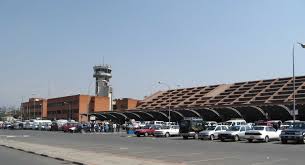
Witnesses and media sources indicate other government buildings—including the Singha Durbar palace and parliament—were also engulfed in flames, with security forces struggling to regain control. Ministers reportedly had to be airlifted from surrounded homes as smoke shut down Kathmandu’s main airport.
Political Fallout and Resignations
Prime Minister KP Sharma Oli, facing immense pressure after police opened fire on protesters (resulting in at least 19 deaths), resigned earlier in the day. Two cabinet ministers also stepped down, recognizing the scale of public anger. The parliament itself was torched, and street battles continued between demonstrators and riot police amid an indefinite curfew.
The anti-corruption movement—dubbed the “Gen Z protest”—began as a response to a government ban on social media platforms but quickly evolved into a wider rebellion against corruption, nepotism, and youth unemployment. Many protesters expressed outrage at the privileged lives of politicians’ children while millions of ordinary Nepalis struggle for work.
International and Public Response
President Poudel called for calm and dialogue, urging peaceful resolution while the army appealed to protesters to avoid further violence. The United States and other global powers issued appeals for restraint and renewed commitment to democratic stability.
Nepal continues to face significant economic challenges, with youth unemployment hovering at 20% and thousands seeking work abroad daily. The current unrest echoes earlier movements that helped end the monarchy in 2008, underscoring deep frustrations with slow reform and perceived endemic corruption.
Excerpt
The attack on Nepal’s President and the torching of parliamentary buildings mark a dramatic escalation in the country’s political crisis. As leaders scramble for safety and demonstrators press their demands for accountability, Nepal stands at a crossroads—facing hard questions about governance, stability, and the future hopes of its youth.