




 Marcus Trifalgur
 By Marcus Trifalgur | NZB News | 27 April 2025
Background
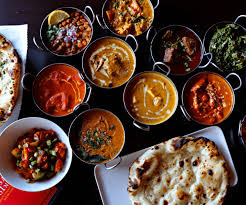
New Zealand’s culinary scene has always been an adventurous tapestry — blending Māori traditions, British legacies, and Pacific Rim influences. In recent years, however, a new and vibrant thread has begun weaving itself into the nation’s gastronomic identity: Indian fusion cuisine.
What began humbly with the arrival of Indian immigrants several decades ago has now evolved into a full-blown movement, where chefs are boldly marrying traditional Indian flavours with local ingredients and global techniques, creating dishes that are uniquely and unmistakably Kiwi-Indian.
Flavour Profiles that Speak Across Cultures
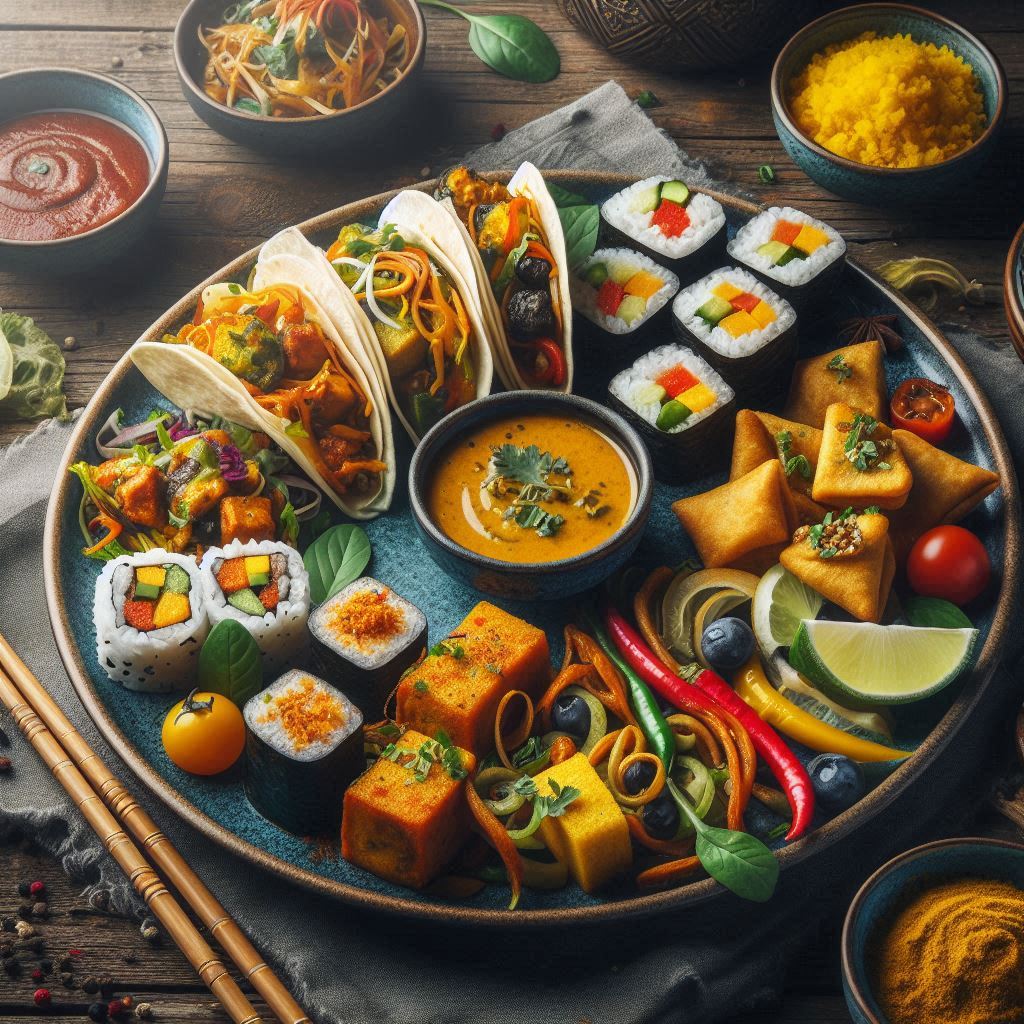
Walk into any food market from Auckland to Dunedin, and you’re likely to stumble upon exciting offerings: butter chicken pies, tandoori lamb burgers, mango lassi cocktails, and even pavlova spiced with cardamom and saffron.
This is not about diluting Indian food for Western palates; rather, it’s about celebrating the common ground between New Zealand’s love for bold, fresh, ingredient-driven cuisine and India’s mastery over spices, slow cooking, and depth of flavour.
At the heart of this trend are chefs who are unafraid to experiment — creating a new, dynamic culinary vernacular that respects tradition while forging new pathways.
Notable Trends and Highlights
- Local Ingredients, Indian Techniques
Southland venison slow-cooked in a Kashmiri rogan josh style; Coromandel mussels simmered in a Goan coconut curry sauce — chefs are showcasing New Zealand’s bounty through the prism of Indian cooking methods. - Street Food Revolution
Food trucks and pop-up kitchens are leading the charge, serving up innovative delights like masala fish tacos, beetroot dosa wraps, and kumara samosas. Wellington’s vibrant weekend markets have become particularly fertile ground for these culinary experiments. - The Rise of the Indian-Kiwi Fine Dining Experience
Establishments such as Auckland’s “SpiceCraft” and Queenstown’s “Rang Mahal” are offering degustation menus where each course tells a story — from a reinterpretation of the classic Kiwi roast with a garam masala rub to an artisan feijoa kulfi. - Vegan and Health-Conscious Offerings
Reflecting broader lifestyle shifts, many Indian fusion kitchens are embracing plant-based cooking. Lentils, chickpeas, and an array of indigenous vegetables take centre stage in nourishing, flavour-packed dishes.
Discussion: Why Now?
Several social currents converge to explain this flourishing movement:
- Migration and Demography: With a growing Indian diaspora, especially second-generation Kiwis, there is a natural blending of culinary heritages.
- Adventurous Palates: New Zealanders, long known for their love of travel and new experiences, are increasingly open to complex spices and bold flavours.
- Sustainability and Localism: Indian cuisine’s traditional reliance on vegetables, legumes, and sustainable practices resonates deeply with New Zealand’s own ethos of protecting the environment.
- Cultural Celebration: Festivals like Diwali and Holi, now major events in cities across New Zealand, provide platforms where food becomes the universal language of joy and inclusivity.
Challenges in the Fusion Space
While exciting, fusion cuisine also runs the risk of becoming gimmicky. Experts warn against “tokenistic” use of Indian elements — sprinkling cumin over a dish does not an Indian fusion make.
Authenticity, thoughtful pairing of flavours, and respect for both culinary traditions remain critical. True fusion is about dialogue, not dominance.
Summary
The ascent of Indian fusion cuisine in New Zealand is more than just a culinary fad — it is a reflection of a broader social transformation where cultures intertwine, share, and evolve together.
In every spiced pavlova, every curried lamb burger, and every dosa taco, there lies a deeper story — a story of migration, creativity, identity, and belonging.
As New Zealand continues to forge its own unique multicultural narrative, its food, vibrant and ever-evolving, will undoubtedly remain one of its most delicious ambassadors.
After all, what better way to understand each other than over a shared meal?