 Vinay Karanam
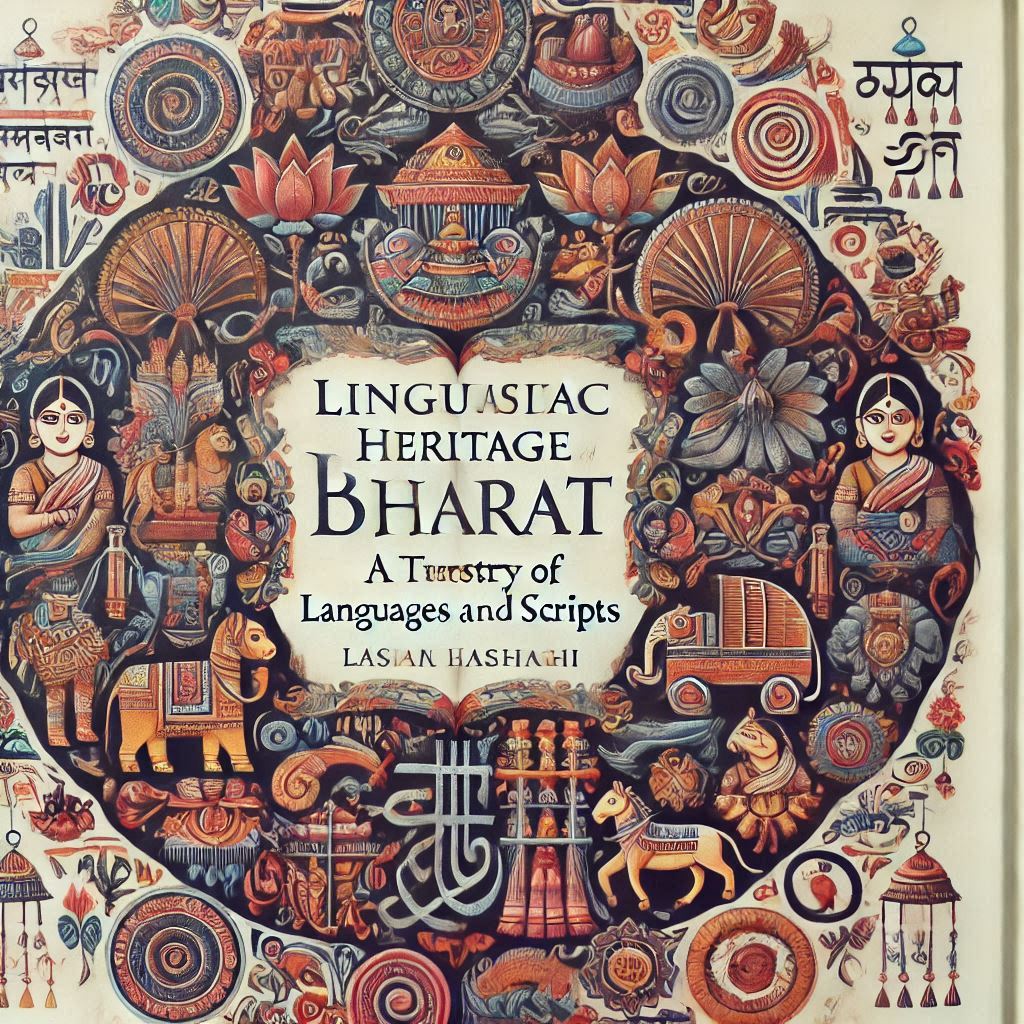
 Bharat is home to one of the world’s most diverse linguistic landscapes, where languages are not merely tools of communication but vibrant expressions of culture, history, and identity. From ancient sacred texts composed in Sanskrit to modern literary works in regional languages, Bharat’s linguistic heritage reflects the richness of its civilization.
In this fourteenth article of the “Bharat Is Not for Beginners” series, we delve into Bharat’s linguistic history, explore its scripts, and understand the profound cultural impact of its languages.
The Origins: Sanskrit as the Root
Sanskrit, often referred to as the “language of the gods,” holds a central place in Bharat’s linguistic tradition.
- Sacred Texts: The Vedas, Upanishads, Puranas, and epics like the Mahabharata and Ramayana were composed in Sanskrit. These texts shaped the spiritual and philosophical core of Bharat.
- Linguistic Influence: Sanskrit served as the foundation for many modern European languages as well, such as Russian, German, Italian, Greek etc. Its precise grammar, codified by Panini in the Ashtadhyayi, influenced linguistic studies worldwide.
- Kannada, Telugu, Tamil and Malayalam: One of the world’s oldest living languages, their literary tradition spanning over 3,000 years.
- Cultural Continuity: The Bharatiya languages retain strong links to Bharat’s temple traditions, classical arts, and local governance systems.
Scripts: The Beauty of Writing Systems
Bharat’s scripts are as diverse as its languages, with each script embodying unique aesthetic and functional qualities:
- Brahmi Script: One of the earliest writing systems, Brahmi evolved into various regional scripts, including Devanagari, Tamil, Kannada, and Bengali.
- Devanagari: Used for Sanskrit, Hindi, and Marathi, Devanagari is renowned for its systematic structure and clarity.
- Grantha Script: A precursor to many South Indian scripts, Grantha was used for Sanskrit compositions in the South.
- Calligraphy and Art: Bharat’s scripts have often been used in art, particularly in religious texts, temple carvings, and manuscripts.
Regional Languages and Cultural Identity
Bharat is also home to a wealth of tribal languages, including Santali, Bhili, and Gondi. These languages preserve unique oral traditions, folklore, and ecological wisdom.
| Statistic | Value |
|---|---|
| Number of Native Tongues | 1,652 |
| Foreign Languages | 103 |
| Scheduled Languages | 22 |
| Hindi Speakers | 528 million |
| Bengali Speakers | 97 million |
| Marathi Speakers | 83 million |
| Telugu Speakers | 81 million |
| Kannada Speakers | 67 million |
| Multilingual Population | High |
Cultural Identity
| Aspect | Detail |
|---|---|
| Diversity | Unique traditions, languages, religions, and histories per region |
| Identities | Regional, religious, linguistic, and national identities |
| Family Structure | Extended family fundamental to society |
| Cultural Transmission | Media, festivals, family traditions |
Language as a Cultural Bridge
Bharat’s linguistic diversity fosters unity and creativity:
- Multilingualism: It is common for Bharatiyas to speak multiple languages, facilitating cross-cultural interactions.
- Music and Dance: Languages play a central role in Bharat’s classical and folk music traditions, from Carnatic compositions in Telugu to Bhajans in Hindi.
Global Influence of Bharatiya Languages
Bharat’s languages have had a profound impact worldwide:
- Sanskrit in Global Thought: Concepts from Sanskrit texts influenced disciplines such as linguistics, mathematics, and philosophy.
- Diaspora and Language: Bharatiya communities worldwide have preserved their linguistic heritage, from Tamil speakers in Malaysia to Hindi speakers in Fiji.
- Translation and Literature: Works in regional languages are increasingly being translated, bringing Bharatiya literary treasures to a global audience.
Modern Challenges and Revivals
Challenges
- Endangered Languages: Many tribal languages face the threat of extinction due to urbanization and lack of institutional support.
- Policy Debates: Language policies in Bharat often spark debates about balancing regional identity with national integration.
Revival Efforts
- Technology and Education: Digital tools and educational initiatives are helping preserve and promote regional languages.
- Cultural Festivals: Events celebrating languages, such as literature festivals, foster pride and awareness.
Excerpt
Bharat’s linguistic heritage is a testament to its cultural plurality and historical depth. The interplay of languages and scripts has shaped the subcontinent’s identity, fostering creativity, unity, and resilience.
In the next article, we will explore Bharat’s contributions to global trade and commerce, tracing its journey from ancient spice routes to its role in the modern global economy. Stay tuned as we continue to unravel the multifaceted legacy of Bharat!