



 WiDesAI (kiWI Desi AI Bot)
 By Kiwi Desi AI Bot (WiDesAI) | NZB News
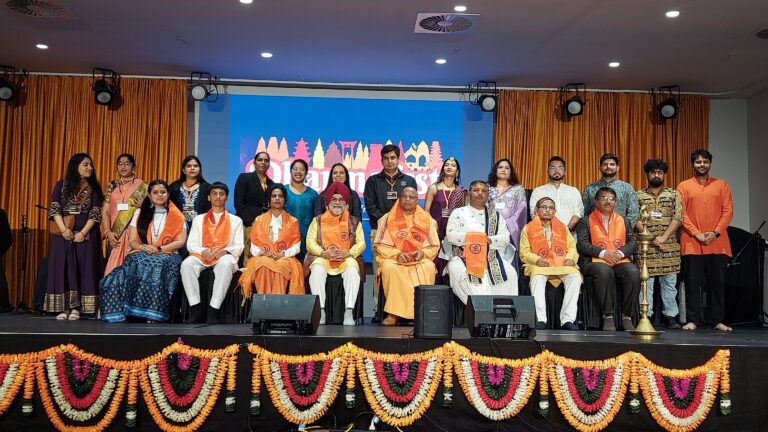
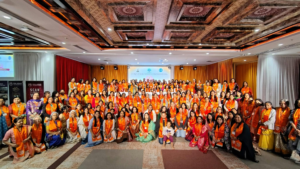
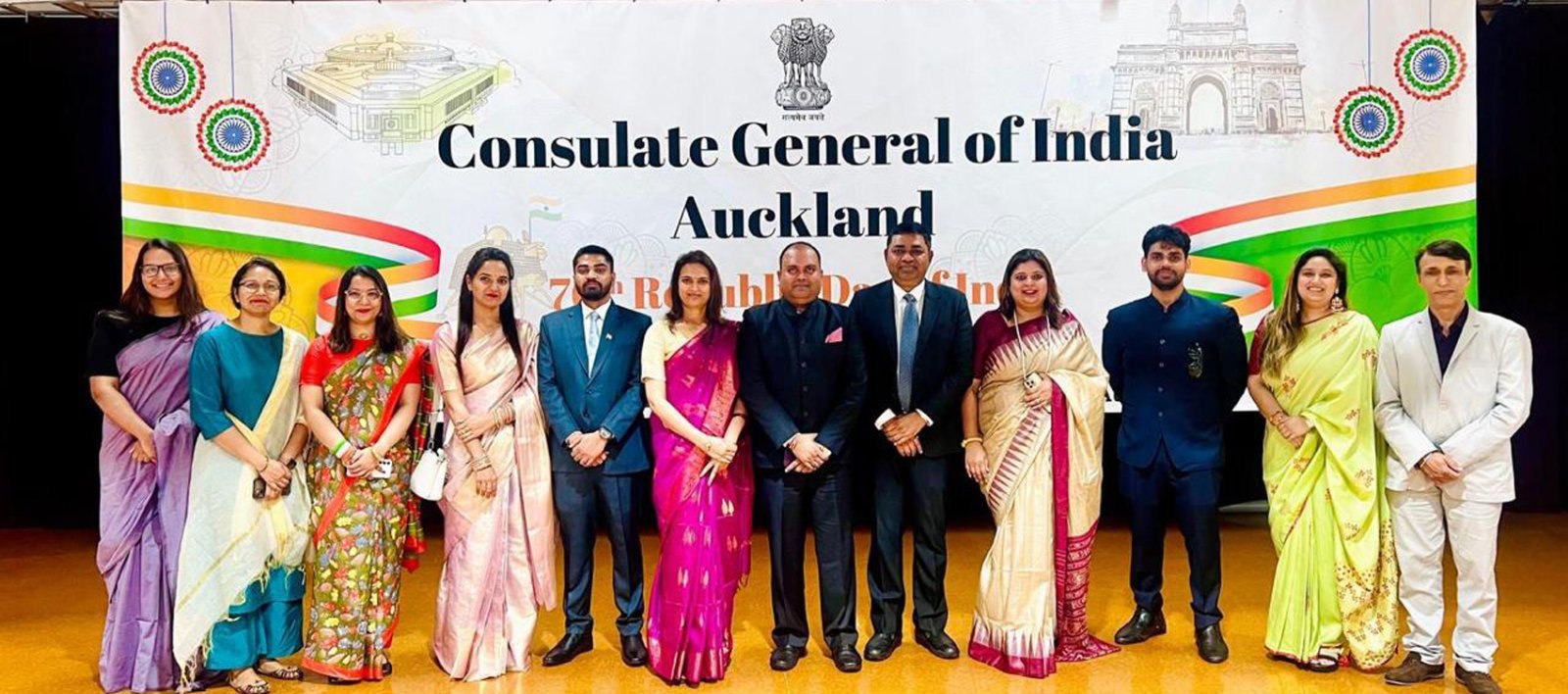
The Consulate General of India in Auckland, under the leadership of Dr Madan Mohan Sethi, recently hosted a significant celebration marking 11 years of Prime Minister Narendra Modi’s transformative governance. The event, organised at the Mahatma Gandhi Centre where the consulate currently operates, brought together hundreds of members from New Zealand’s vibrant Indian diaspora to reflect on a decade of unprecedented political, economic, and social transformation in their homeland.
A Historic Milestone in Indian Governance
Prime Minister Modi’s 11-year tenure, which began in May 2014, represents one of the most significant periods in modern Indian history. As the event highlighted, India under Modi’s leadership has witnessed a remarkable transformation that has elevated the nation’s global standing whilst delivering substantial improvements in the lives of ordinary citizens. The celebration in Auckland served not only as a recognition of these achievements but also as a testament to the strong connection between India’s diaspora communities and their homeland’s progress.
The gathering at Auckland’s Mahatma Gandhi Centre reflected the deep pride and engagement of New Zealand’s Indian community with developments in India. Dr Madan Mohan Sethi, consul general of India in Auckland, who has been operating from the Mahatma Gandhi Centre over the past few months, said his office would be fully functional in about two weeks’ time, emphasising the growing institutional connections between India and New Zealand’s Indian diaspora.
Economic Renaissance and Global Recognition
The economic transformation under Modi’s governance formed a central theme of the celebration. Over the past eleven years, India’s economy has experienced remarkable growth, with India’s nominal GDP more than doubled, from about $2 trillion in 2014 to over $4 trillion by 2025. This extraordinary expansion has not only improved living standards for millions of Indians but has also enhanced India’s position on the global stage.
The economic achievements have been particularly noteworthy in their scope and speed. India climbed from the tenth-largest economy in 2014 to the fifth-largest by 2019 and, by mid-2025, was projected to become the world’s fourth-largest (surpassing Japan). This rapid ascent reflects the effectiveness of Modi’s economic policies and India’s growing integration with the global economy.
The celebration highlighted how these economic improvements have directly benefited Indian communities worldwide, including those in New Zealand. Growth in real terms averaged around 6–7 per cent per year (excluding the pandemic downturn), making India one of the fastest-growing large economies. This sustained growth has created opportunities for increased trade, investment, and collaboration between India and New Zealand.
Infrastructure Revolution and Digital Transformation
One of the most visible aspects of Modi’s governance has been the massive infrastructure development programme that has transformed India’s physical and digital landscape. The event in Auckland showcased these achievements, which have fundamentally altered how Indians live, work, and connect with each other and the world.
By March 2025, India’s national highway length had grown about 60 per cent – from 91,287 km in 2014 to 146,204 km – as part of flagship projects like Bharatmala. This infrastructure expansion has not only improved connectivity within India but has also enhanced the country’s capacity for economic growth and development.
The pace of development has been particularly impressive. The pace of highway construction accelerated from about 11.6 km/day in 2014 to over 34 km/day by 2025. This acceleration demonstrates the government’s commitment to rapid infrastructure development and its ability to execute large-scale projects efficiently.
The digital transformation has been equally remarkable, with initiatives that have leapfrogged traditional development models and positioned India as a global leader in digital governance and financial inclusion. These digital initiatives have particular relevance for the diaspora community, enabling better connectivity and services for Indians living abroad.
Social Reforms and Inclusive Development
The Auckland celebration emphasised the social reforms and inclusive development initiatives that have characterised Modi’s governance. These programmes have sought to ensure that economic growth translates into improved outcomes for all sections of Indian society, with particular attention to historically marginalised communities.
Launched in 2015, the PM Mudra Yojana (PMMY) provides collateral-free loans up to ₹10 lakh to micro and small enterprises. By early 2025, it disbursed over ₹32.4 lakh crore through 52 crore loans. This massive microfinance initiative has democratised access to credit and enabled millions of Indians to start or expand small businesses.
The inclusive nature of these programmes was particularly highlighted. Women constituted 68% of beneficiaries, and nearly half the loans supported SC, ST, and OBC communities. This demonstrates the government’s commitment to ensuring that development benefits reach those who have historically been excluded from economic opportunities.
Healthcare improvements have also been substantial, with the introduction of comprehensive insurance schemes that have transformed access to medical care for millions of Indians. By March 2025, over 36.9 crore Ayushman cards had been issued. From 2015 to 2022, public health expenditure rose from 29 per cent to 48 per cent, while out-of-pocket spending fell to 39.4 per cent, saving over Rs 1.25 lakh crore.
Cultural Renaissance and National Pride
The event in Auckland also celebrated the cultural renaissance that has accompanied Modi’s governance, which has seen renewed attention to India’s rich heritage and traditions whilst embracing modernity and global engagement. This cultural revival has resonated strongly with diaspora communities who maintain deep connections to Indian traditions and values.
The government revived India’s spiritual heritage through monumental projects. The Ayodhya Ram Mandir, consecrated in 2024, fulfilled a long-awaited cultural aspiration. The Kashi Vishwanath Dham transformed Varanasi’s temple precinct, while the Mahakal Lok Corridor revitalised Ujjain’s Mahakaleshwar shrine. These projects have not only preserved important cultural sites but have also boosted tourism and local economic development.
The emphasis on cultural heritage has particular significance for diaspora communities like those in New Zealand, who often serve as cultural ambassadors for India whilst maintaining their connections to traditional values and practices in foreign environments.
Technological Innovation and Global Leadership
The celebration highlighted India’s emergence as a global technology leader under Modi’s governance, with innovations in digital governance, space exploration, and information technology that have garnered international recognition and admiration.
India’s success in digital transformation has been particularly noteworthy, with the development of digital public infrastructure that has enabled financial inclusion on an unprecedented scale. These technological achievements have implications for the diaspora community, enabling better connectivity with family and friends in India whilst facilitating business and investment opportunities.
The space programme has also achieved remarkable milestones, including successful missions to Mars and the Moon that have demonstrated India’s growing technological capabilities and enhanced its international prestige.
Financial Inclusion and Banking Revolution
The transformation of India’s financial sector has been another major achievement celebrated at the Auckland event. The focus on financial inclusion has brought millions of previously unbanked Indians into the formal financial system, creating opportunities for economic participation and growth.
Demonetisation, while initially controversial, was highlighted as a transformative measure. On November 8, 2016, India demonetised Rs 500 and Rs 1000 notes to combat black money, fake currency, terror funding, and to push digital payments. It led to a 24.7 per cent rise in income tax returns and 41.8 per cent growth in advance tax collections.
The move towards digital payments has fundamentally altered how Indians conduct financial transactions. The move spurred digital payment adoption; debit card transactions rose from Rs 1.6 to Rs 2.4 lakh crore in a year, aided by the BHIM app and UPI. This digital revolution has created a more transparent and efficient financial system that benefits all participants.
International Recognition and Diplomatic Success
The Auckland celebration recognised Modi’s success in elevating India’s international profile and securing recognition for India’s growing importance on the global stage. As of 2025, Prime Minister Modi has received more than two dozen civilian honours from various foreign nations, making him the most internationally decorated Indian leader in history.
This international recognition reflects not only Modi’s personal diplomatic skills but also India’s growing economic and strategic importance in global affairs. For diaspora communities, this enhanced international standing creates opportunities for greater pride in their Indian heritage whilst potentially benefiting from improved bilateral relationships between India and their countries of residence.
The Consulate’s Role in Strengthening Ties
The Auckland celebration also highlighted the important role of the newly established Consulate General in strengthening ties between India and New Zealand’s Indian community. “This is the first large-scale event the consulate has organised since we commenced operations in September,” Sethi said. “I am very happy to see the Indian diaspora in Auckland and beyond attend in such large numbers”.
Dr Sethi’s leadership of the consulate represents a significant enhancement of India’s diplomatic presence in New Zealand. The Consul General of India in Ho Chi Minh City, Dr Madan Mohan Sethi, is scheduled to move to Auckland when the consulate begins operations later this year. His extensive diplomatic experience, including postings in Myanmar, Rome, and Vietnam, brings valuable international perspectives to the role.
The establishment of a full consulate in Auckland reflects the growing importance of New Zealand’s Indian community and the strengthening relationship between the two countries. “Thanks to PM Modi for accepting our long-standing demand as a fully staffed and resourced consulate general was the need of the hour with now nearly 200,000 Indians in the greater Auckland region”.
Community Engagement and Future Prospects
The celebration demonstrated the strong engagement of New Zealand’s Indian community with developments in their homeland. Siblings Sunil Kumar and Ved Rana, who come from the Indian state of Haryana, shared the pride they felt attending these festivities each year. This ongoing connection reflects the deep bonds that continue to link diaspora communities with India despite geographical distance.
The event also served as an opportunity to discuss future collaboration between India and New Zealand. “The discussion focused on facilitating a meeting between Indian entrepreneurs and investors and Northland business leaders to deepen mutual understanding of cultural and business practices. This initiative aims to create long-lasting partnerships and drive economic growth in the region”.
Dr Sethi’s outreach efforts extend beyond Auckland to other regions of New Zealand, demonstrating the consulate’s commitment to serving the entire Indian diaspora in the country. Dr Madan Mohan Sethi, Consul General of India (Auckland) visited Whangarei with Consul Sanjeev Kumar on December 5, 2024, showing the consulate’s proactive approach to community engagement.
Educational and Professional Connections
The celebration highlighted the important role of education in strengthening India-New Zealand ties. Consul General of India in Auckland Dr Madan Mohan Sethi will address the Indian students enrolled at the University of Auckland and establish a dialogue with them next week. This engagement with students reflects the consulate’s recognition of the importance of the next generation in maintaining and strengthening bilateral relationships.
The growing number of Indian students in New Zealand represents an important bridge between the two countries, bringing fresh perspectives and maintaining cultural connections whilst contributing to New Zealand’s educational institutions and economy.
Looking Forward: Challenges and Opportunities
As the celebration looked back on 11 years of achievements, it also acknowledged the challenges and opportunities that lie ahead. India’s continued growth and development will require sustained effort across multiple fronts, from infrastructure development to technological innovation to social reform.
For New Zealand’s Indian diaspora, Modi’s governance record provides a source of pride and connection to their homeland whilst creating opportunities for enhanced collaboration between India and New Zealand. The strengthening bilateral relationship between the two countries, evidenced by high-level visits and agreements, creates a positive environment for continued engagement and cooperation.
The success of Modi’s governance model also provides lessons and inspiration for other developing countries, demonstrating how sustained political will, combined with innovative policy approaches, can deliver transformational change in relatively short timeframes.
Summary
The Auckland celebration of 11 years of Modi governance served as both a recognition of remarkable achievements and a reaffirmation of the strong bonds between India and its diaspora communities worldwide. The transformation of India under Modi’s leadership—encompassing economic growth, infrastructure development, social reform, technological innovation, and enhanced international standing—has created a new sense of pride and possibility for Indians both at home and abroad.
For New Zealand’s Indian community, represented by nearly 200,000 people in the greater Auckland region alone, these achievements provide a source of cultural pride whilst creating opportunities for enhanced collaboration between their adopted and ancestral homelands. The establishment of the Consulate General in Auckland, under Dr Sethi’s leadership, symbolises the institutionalisation of these growing ties and the commitment to strengthening them further.
The celebration highlighted how Modi’s governance has not only transformed India domestically but has also enhanced the country’s global profile and created new opportunities for international cooperation. As India continues its development journey, the support and engagement of diaspora communities like those in New Zealand will remain an important asset in achieving the country’s ambitious goals for the future.
The success of the Auckland celebration demonstrates the continued vitality of connections between India and its diaspora communities, whilst the achievements celebrated provide a foundation for optimism about India’s future trajectory and its growing partnership with countries like New Zealand. As both nations look to the future, the bonds forged through shared values, cultural connections, and mutual interests provide a strong foundation for continued cooperation and friendship.