

(This is the 24th article in the ongoing series highlighting Bharat’s vast contributions and achievements across various fields. Each article aims to create awareness of the nation’s rich heritage and remarkable advancements.)
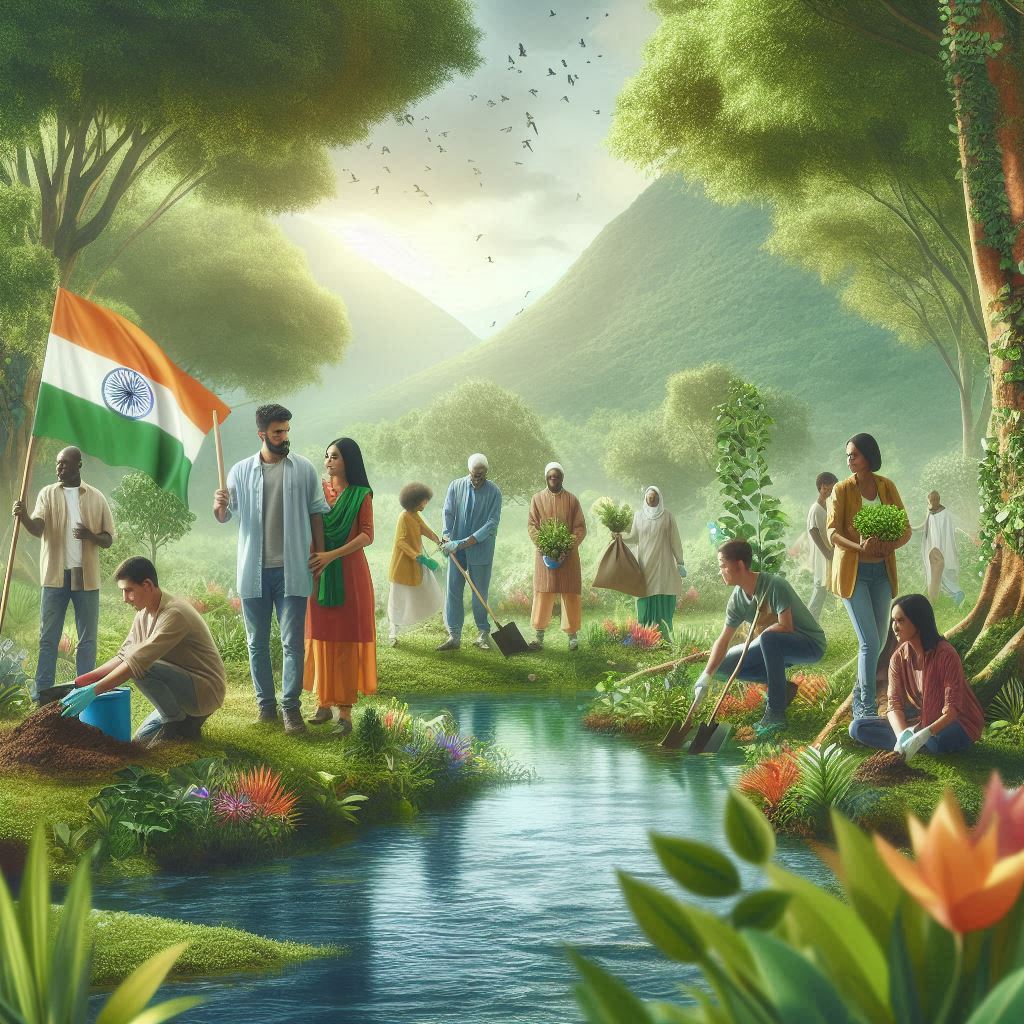
From time immemorial, Bharat has revered nature as sacred, embedding environmental consciousness into its way of life. The country’s deep-rooted respect for the environment is evident in its ancient scriptures, traditional agricultural practices, and modern sustainability initiatives. At a time when the world grapples with climate change and ecological degradation, Bharat offers timeless wisdom and contemporary solutions for a greener future.
Ancient Wisdom: Living in Harmony with Nature
Bharat’s environmental philosophy is deeply intertwined with its spiritual and cultural traditions. Ancient texts like the Vedas and Upanishads speak of Prithvi (Earth) as a living entity, deserving of respect and care. The Rig Veda describes the importance of preserving forests and rivers, while the Atharva Veda contains hymns dedicated to environmental balance. The concept of Vasudhaiva Kutumbakam—”the world is one family”—extends beyond human relations to include all living beings.
Traditional Indian practices such as organic farming, water conservation, and afforestation were designed to maintain ecological balance. Stepwells (baolis), ancient irrigation systems, and the sacred groves protected by communities for generations demonstrate the foresight of early Indians in sustainable resource management.
Modern Environmental Leadership
Bharat has carried forward its environmental legacy into modern times, taking significant steps to combat climate change and promote sustainability. As one of the few nations actively working to meet its Paris Agreement commitments, India has set ambitious targets for reducing carbon emissions and increasing renewable energy production.
- International Solar Alliance (ISA): Spearheaded by Bharat, the ISA is a global initiative aimed at promoting solar energy to reduce dependence on fossil fuels.
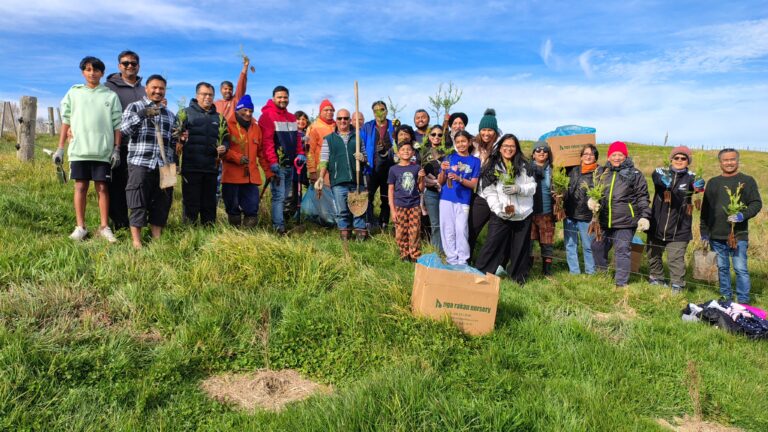
- Afforestation and Conservation Efforts: The country has launched large-scale afforestation projects, such as the Green India Mission and initiatives to revive degraded forest lands.
- Renewable Energy Revolution: Bharat is rapidly becoming a leader in solar and wind energy, with a commitment to achieving 500 GW of non-fossil fuel capacity by 2030.
- Sustainable Urban Development: Smart city projects, electric vehicle adoption, and waste management initiatives like Swachh Bharat Abhiyan showcase India’s commitment to sustainable urbanisation.
Traditional Practices Meeting Modern Sustainability
Many of Bharat’s traditional practices are being rediscovered and integrated into modern environmental solutions:
- Zero-waste lifestyles: Practices such as using banana leaves for plates, terracotta pots for storage, and natural dyes in textiles have long been part of Indian culture.
- Ayurvedic and organic farming: Techniques like crop rotation, bio-fertilisation, and rainwater harvesting are making a comeback, reducing the environmental impact of agriculture.
- Sacred Ecology: The cultural tradition of worshipping rivers (Ganga, Yamuna), trees (Peepal, Banyan), and animals (cows, elephants) fosters conservation efforts in ways that align with ecological sustainability.
The Path Forward
Bharat’s rich history of environmental stewardship, combined with its technological innovations, offers a model for the world. As nations seek sustainable solutions to pressing environmental issues, Bharat’s approach—rooted in both ancient wisdom and modern innovation—presents a holistic blueprint for the future.
What’s Next?
In the next article of this series, we will explore Bharat’s extraordinary contributions to global diplomacy and its growing role as a world leader. From ancient trade routes to modern geopolitical strategies, Bharat’s influence on the world stage is profound and ever-expanding.
Stay tuned for the next chapter in this journey through Bharat’s unparalleled legacy.