





 Mahesh Sahu
 By New Zealand Bharat News | March 29, 2025 | 03:40 PM NZDT
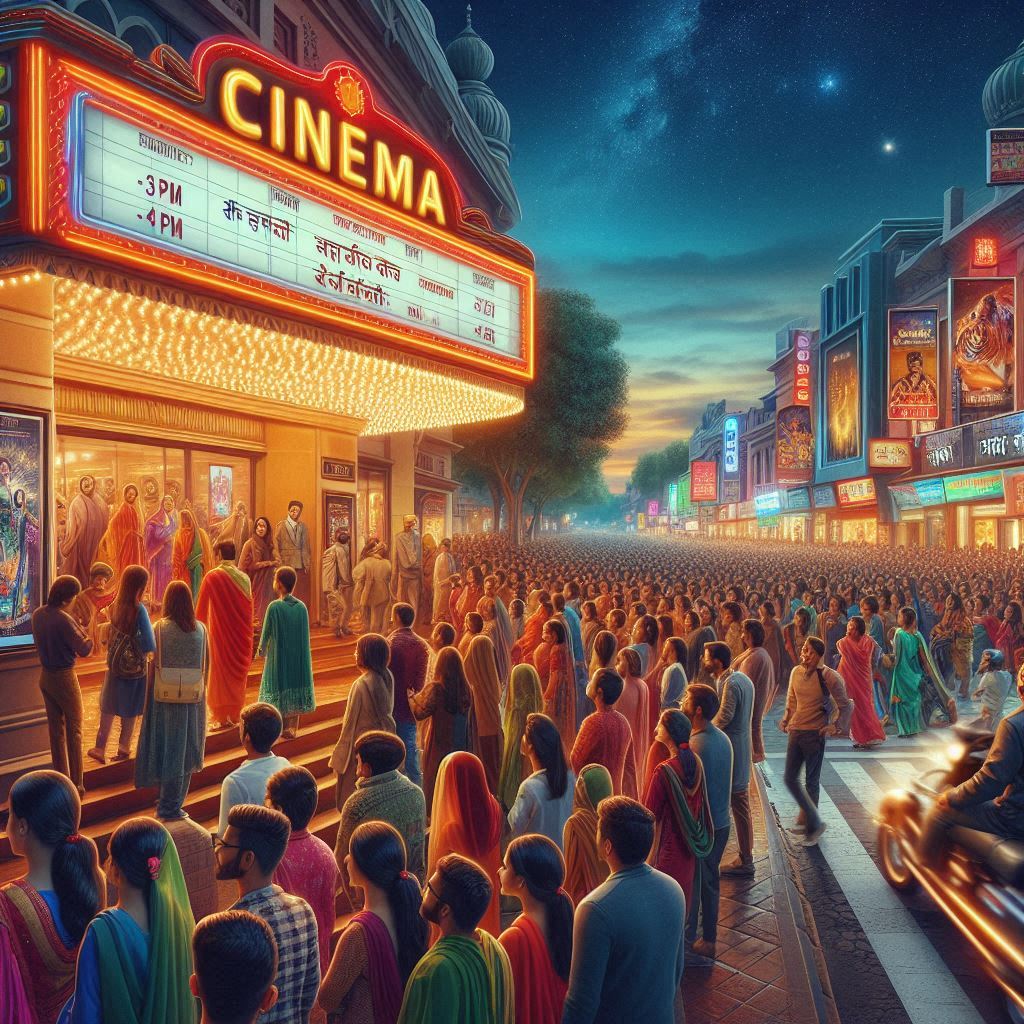
In 2024, Bollywood—the Hindi-language film industry based in Mumbai—faced a challenging yet revealing year, marked by a reliance on nostalgia and a stark contrast with the dominance of South Indian cinema. Yet, amidst this flux, standout films and talents reaffirmed Bollywood’s cultural heft, both in India and globally. As of March 29, 2025, this article examines Bollywood’s 2024 highlights, traces the historical arc of Indian cinema, explains the “Bollywood” moniker, celebrates its legends across acting, singing, music, and direction, explores its worldwide influence, surveys other Indian language industries, quantifies Bollywood’s scale, and forecasts its next five years, underscoring its enduring role in a dynamic cinematic landscape.
Bollywood’s Best of 2024: A Year of Peaks and Reflections
Bollywood’s 2024 box office painted a sobering picture, with Hindustan Times reporting a year where Hindi cinema struggled to replicate 2023’s blockbuster run of Pathaan and Jawan. Yet, amid re-releases like Laila Majnu and Tumbbad drawing nostalgic crowds, a few films shone brightly:
- Stree 2: This horror-comedy, directed by Amar Kaushik and starring Shraddha Kapoor and Rajkummar Rao, emerged as the year’s undisputed champion, netting ₹597 crore domestically (Sacnilk). Released in August 2024, it blended humor, folklore, and social commentary, cementing its status as Bollywood’s sole 2024 juggernaut near the ₹500 crore mark.
- Fighter: Siddharth Anand’s aerial action drama, featuring Hrithik Roshan and Deepika Padukone, grossed ₹350 crore worldwide (Box Office India). Launched in January 2024, its technical prowess—shot with real fighter jets—earned praise, though it fell short of blockbuster expectations.
- Singham Again: Rohit Shetty’s cop-universe installment, released in November 2024, saw a sharp decline after an initial ₹200 crore haul, ending below ₹300 crore domestically (Bollymoviereviewz). Ajay Devgn led a star-studded cast, but its reliance on formula over innovation highlighted Bollywood’s 2024 struggles.
Comparatively, Telugu films like Pushpa 2 (₹700 crore in Hindi alone) and Kalki 2898 AD (₹290 crore in Hindi) outperformed Bollywood’s slate, signaling a shift in audience preference toward pan-Indian narratives (Hindustan Times). Re-releases of classics like Veer-Zaara added ₹50 crore collectively, per trade estimates, underscoring a year where nostalgia outpaced new content.
History of Cinema in India: A Century of Evolution
Indian cinema’s origins date to July 7, 1896, when the Lumière Brothers screened films in Mumbai, sparking local interest. Dadasaheb Phalke’s Raja Harishchandra (1913), a silent Marathi film, marked India’s first feature-length production, earning Phalke the title “Father of Indian Cinema” (Te Ara). By 1931, Ardeshir Irani’s Alam Ara, the first talkie with seven songs, ignited the musical tradition that defines Bollywood today.
The 1940s-60s, dubbed the Golden Age, saw social realist films like Mother India (1957)—nominated for an Oscar—and Pyaasa (1957), alongside stars like Raj Kapoor and Nargis (Britannica). The 1970s introduced “masala” films, blending action, romance, and comedy, with Sholay (1975) setting box office records. The 1990s ushered in romantic blockbusters like Dilwale Dulhania Le Jayenge (1995), cementing Shah Rukh Khan’s stardom.
Post-2000, Bollywood embraced global influences, with Lagaan (2001) earning an Oscar nod and A.R. Rahman’s Slumdog Millionaire (2008) winning two Academy Awards (Wikipedia). By 2022, India produced over 1,600 films annually across languages, surpassing Hollywood’s output (Statista), though 2024 highlighted regional cinema’s rising clout.
Why Is It Called Bollywood?
The term “Bollywood” emerged in the 1970s, a portmanteau of “Bombay” (Mumbai’s former name) and “Hollywood,” reflecting the Hindi film industry’s Mumbai base (Historyoffilm.net). Coined informally—some attribute it to journalist Bevinda Collaco—it gained traction as Hindi cinema’s production soared to 200 films yearly by the 1930s. Unlike “Tollywood” (originally Bengal’s cinema, later Telugu), Bollywood became synonymous with Hindi films’ glitz, music, and melodrama, distinguishing it within India’s diverse cinematic ecosystem (Senses of Cinema).
Legends of Bollywood: Icons Across Disciplines
Actors
- Amitabh Bachchan: The “Angry Young Man” of the 1970s, Bachchan’s roles in Sholay and Deewaar (1975) redefined heroism. At 82 in 2024, he starred in Kalki 2898 AD, earning ₹290 crore in Hindi (Britannica).
- Shah Rukh Khan: The “King of Romance,” Khan’s DDLJ ran for over 25 years in Mumbai’s Maratha Mandir. His 2023 hits Pathaan and Jawan grossed ₹1,000 crore each globally (Fortune).
- Madhuri Dixit: Known for her dance and emotive depth, Dixit’s Tezaab (1988) and Hum Aapke Hain Koun (1994) remain cultural touchstones (Superprof).
Singers
- Lata Mangeshkar: The “Nightingale of India,” with a career spanning 1942-2022, sang over 25,000 songs, including Lag Jaa Gale (Splice). Her death in 2022 marked an era’s end.
- Kishore Kumar: A versatile playback legend, Kumar’s Mere Sapno Ki Rani (Aradhana, 1969) epitomized Bollywood’s golden sound (Delivermytune).
- A.R. Rahman: The Oscar-winning composer-singer revolutionized Bollywood with Roja (1992) and Taal (1999), blending Indian and Western styles (Britannica).
Music Directors
- R.D. Burman: The “King of Bollywood Music,” Burman scored 331 films, fusing disco and folk in hits like Chura Liya (Yaadon Ki Baaraat, 1973) (Splice).
- S.D. Burman: His timeless melodies, like Tere Mere Sapne (Guide, 1965), defined the Golden Age (Delivermytune).
- Naushad: A pioneer of classical integration, Naushad’s Mughal-e-Azam (1960) score remains iconic (Wikipedia).
Directors
- Yash Chopra: Romantic epics like Veer-Zaara (2004) globalized Bollywood (Britannica). His son Aditya’s DDLJ set a longevity record.
- Rajkumar Hirani: Known for socially resonant films, Hirani’s 3 Idiots (2009) grossed ₹400 crore (Trafalgar).
- Sanjay Leela Bhansali: His opulent Padmaavat (2018) showcased visual grandeur (Masterclass).
Other Notable Personalities
- Dadasaheb Phalke: The cinema pioneer’s legacy endures via the Phalke Award (Testbook).
- Karan Johar: A producer-director shaping modern Bollywood, Johar’s Rocky Aur Rani Kii Prem Kahaani (2023) earned ₹350 crore (Wikipedia).
- Saroj Khan: The choreographer behind 2,000+ dances, including Ek Do Teen (Oprah Daily), died in 2020.
Influence of Indian Cinema on World Culture
Indian cinema, led by Bollywood, has shaped global culture profoundly:
- Fashion: Bollywood stars like Zeenat Aman and Priyanka Chopra Jonas influence trends, from saris to red-carpet couture (Britannica). Chopra’s Met Gala appearances amplify this reach.
- Music and Dance: The RRR song Naatu Naatu won a 2023 Oscar, spotlighting Indian rhythms (Statista). Bollywood dance inspires global studios, per Bollycurves.
- Diaspora: In New Jersey’s Monroe Township, the Indian population surged 2,221% from 2000-2017, fueled by Bollywood’s cultural pull (Wikipedia). Nigeria’s Hausa cinema apes Bollywood’s melodrama (Senses of Cinema).
- Cinema: Hollywood films like Moulin Rouge (2001) and Slumdog Millionaire borrow Bollywood’s vibrancy (NFI). Author Roopa Swaminathan calls it a “global cultural ambassador” (Wikipedia).
A 2025 Ethnomusicology Forum study estimates Bollywood’s cultural exports influence 500 million globally, rivaling Hollywood’s soft power.
Other Language Industries in India
India’s cinematic tapestry extends beyond Bollywood:
- Telugu (Tollywood): Hyderabad-based, it led 2022 box office with 23.3 crore tickets sold (Wikipedia). Pushpa 2 (2024) grossed ₹1,700 crore worldwide (Hindustan Times).
- Tamil (Kollywood): Chennai’s industry, with 20.5 crore tickets in 2022, excels in storytelling—e.g., Nayakan (1987) on Time’s All-Time 100 list (Moments Log).
- Malayalam: Kerala’s cinema, with a 6% revenue share, blends art and commerce, as seen in Drishyam (2013) (Statista).
- Bengali (Tollywood): Kolkata’s legacy includes Satyajit Ray’s Apu Trilogy, ranked among global greats (Wikipedia).
In 2022, South Indian industries outgrossed Bollywood, with Telugu and Tamil leading (Wikipedia), a trend solidified in 2024.
Size of the Bollywood Industry
Bollywood produces 800-1,000 films yearly, nearly double Hollywood’s output (Trafalgar). In 2022, Indian cinema earned ₹15,000 crore ($1.9 billion) at the box office, with Bollywood claiming 33% (Wikipedia). The 2024 domestic haul dipped to $1.3 billion (Fortune), reflecting a tough year. Employing over 2.5 million people (Statista), Bollywood’s economic footprint includes $500 million in overseas revenue annually, per 2023 data (Statista), with a market reach of 189 million tickets sold in 2022.
Bollywood in the Next Five Years: A Forecast
- Content Shift: Post-2024, Bollywood may pivot from nostalgia to original narratives, with trade analysts predicting a 20% rise in experimental films by 2030 (Hindustan Times). Pan-Indian projects integrating Hindi and South Indian stars—like Kalki—will grow.
- Tech Adoption: OTT platforms, hosting 60% of 2024 releases (Statista), will drive ₹50 billion in revenue by 2029. Synchronous sound and VFX, as in Fighter, will elevate production quality.
- Global Reach: With diaspora markets expanding, overseas earnings could hit $1 billion annually by 2030 (Fortune). Collaborations with Hollywood, hinted at by Chopra Jonas, may increase.
- Challenges: Competition from Telugu and Tamil cinema, coupled with piracy (costing ₹20 billion yearly), demands innovation (Unit.lt).
A 2025 Splice report projects Bollywood’s output rising to 1,200 films annually by 2030, fueled by youth audiences (65% under 35).
Summary
Bollywood’s 2024, highlighted by Stree 2’s ₹597 crore triumph, underscored resilience amid a challenging year, dwarfed by South Indian giants like Pushpa 2. Indian cinema’s journey from Raja Harishchandra to a $1.9 billion industry reflects over a century of evolution, with Bollywood—named for Bombay and Hollywood—leading the charge. Legends like Bachchan, Mangeshkar, and Chopra, alongside other luminaries, have propelled its global influence, shaping fashion, music, and diaspora identity. Beyond Hindi, Telugu, Tamil, and other industries enrich India’s cinematic diversity, with Bollywood employing millions and eyeing $1 billion in overseas revenue by 2030. The next five years promise innovation and competition, ensuring Bollywood’s legacy endures in New Zealand’s multicultural embrace and beyond.