

 Dorothy Brown
 By Dorothy Brown | NZB News | 27 April 2025
Background
As globalisation accelerates and societies become increasingly diverse, the need for genuine community cohesion is more critical than ever.
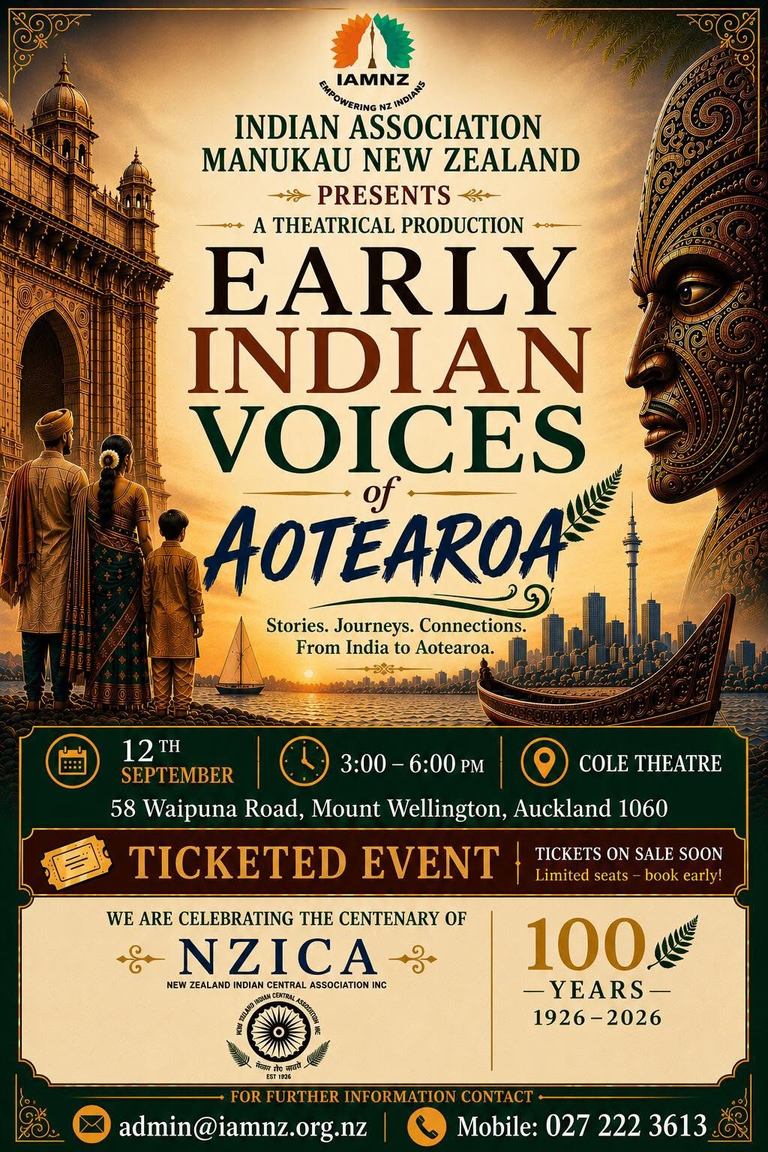
New Zealand, with its proud Māori heritage and growing multicultural fabric — including a vibrant Hindu community — stands at the crossroads of old wisdom and new realities.
Both Hindu and Māori traditions offer profound insights into building resilient, inclusive, and value-based communities — lessons that the modern world can ill-afford to ignore.
Traditional Values at the Core
- Whanaungatanga (Māori concept of kinship, relationships, and sense of belonging)
- Vasudhaiva Kutumbakam (Hindu principle that the world is one family)
At their heart, both philosophies affirm that individual identity is inseparable from the community and the environment.
These concepts encourage:
- Mutual respect
- Shared responsibility
- Hospitality towards strangers
- Collective spiritual and social growth
Such frameworks could serve as powerful antidotes to the isolation, distrust, and fragmentation that plague many modern societies.
Real-World Applications in New Zealand
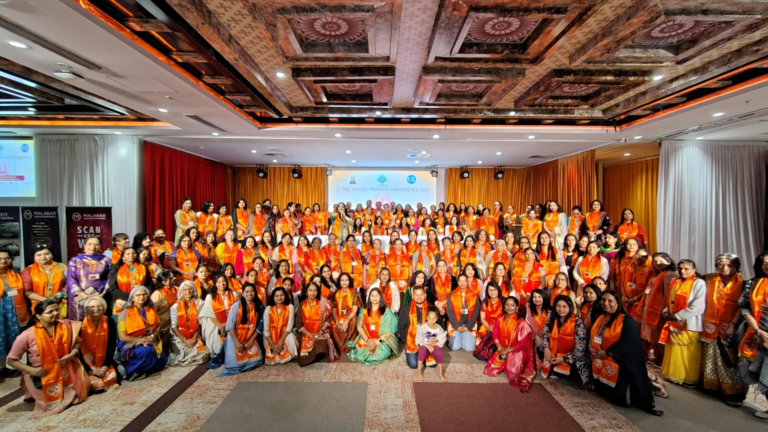
- Interfaith Dialogues
Hindu and Māori leaders often come together in forums to discuss shared values — from environmental stewardship to spiritual humility — strengthening inter-community understanding. - Community Festivals
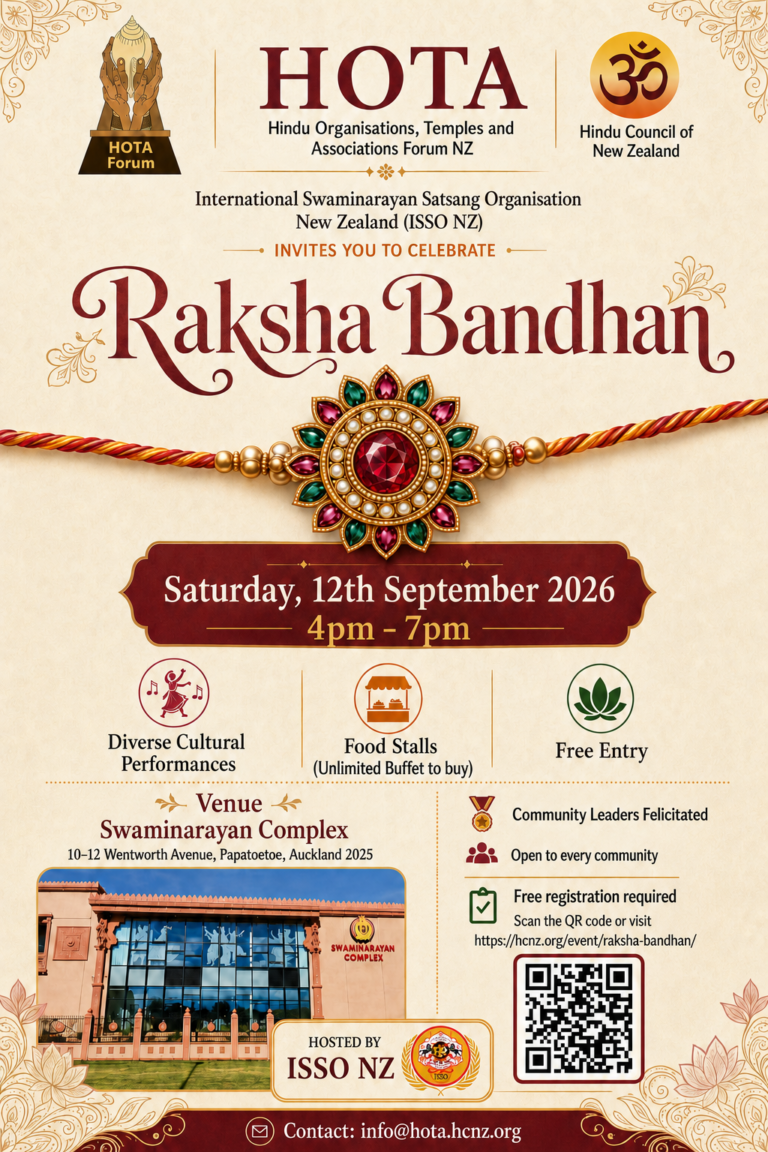
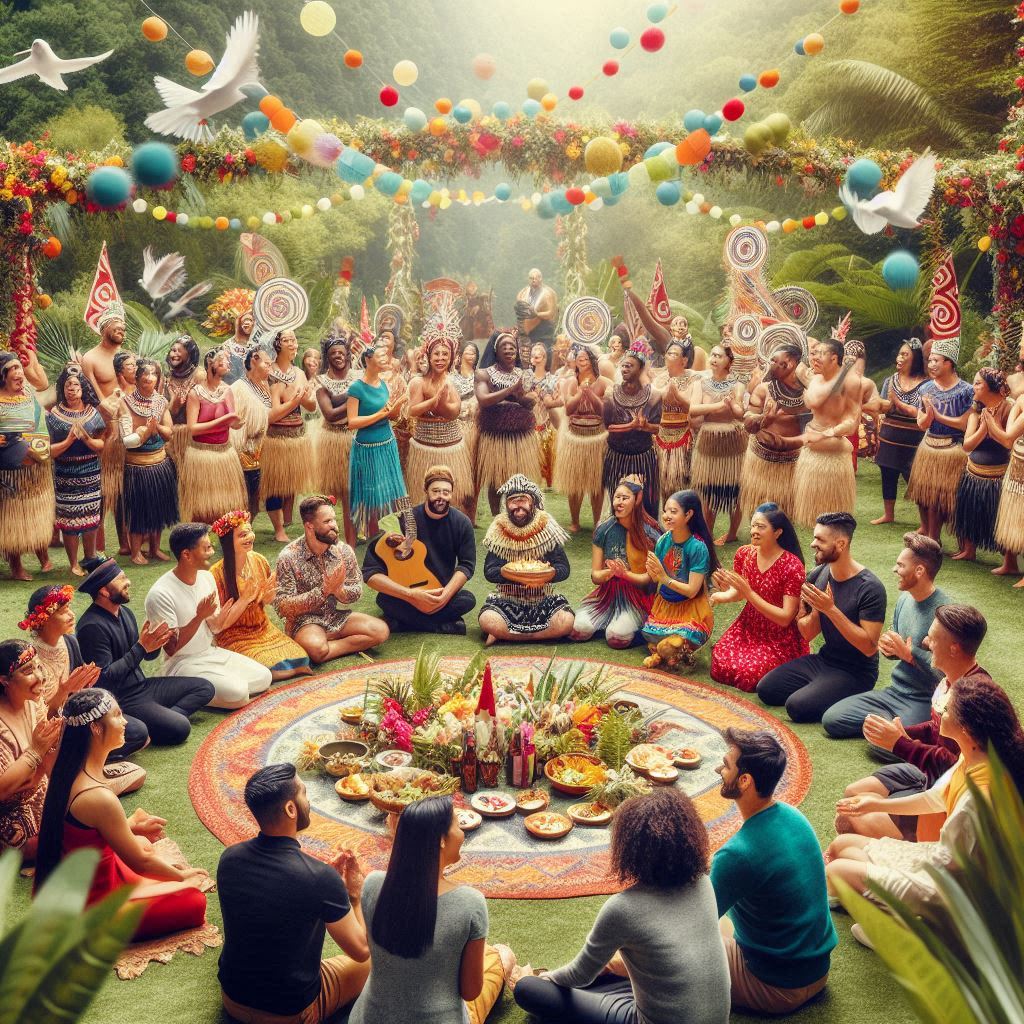
Events like Diwali and Matariki celebrations increasingly feature cross-cultural participation, showcasing the power of shared celebration in uniting diverse groups. - Collaborative Youth Programs
Initiatives that weave together indigenous knowledge and Hindu philosophies (such as Ahimsa — non-violence) help young people anchor their identities within frameworks of respect and resilience. - Environmental Stewardship
The Hindu concept of Prakriti (nature as sacred) and the Māori reverence for Papatuanuku (Earth Mother) align strongly in promoting sustainability efforts.
Discussion: The Challenges and Opportunities
Despite these heartening examples, challenges persist:
- Stereotyping and Misunderstandings
Superficial knowledge of each other’s traditions can sometimes lead to tokenism rather than deep respect. - Generational Gaps
Younger generations, influenced by global pop culture, sometimes feel detached from ancestral teachings. - Systemic Barriers
Socio-economic disparities and policy gaps occasionally hinder genuine inclusion and equitable participation.
Yet, the opportunity lies precisely here:
In reinterpreting ancient values for contemporary relevance — not as static relics, but as living, breathing philosophies adaptable to modern life.
Summary
Community cohesion is not simply about tolerance; it is about genuine relationship-building, shared responsibilities, and mutual enrichment.
The Hindu and Māori worldviews offer timeless guidance:
- See the stranger as family
- Honour the land as sacred
- Understand your identity as fundamentally relational
New Zealand stands uniquely positioned to become a global exemplar of multicultural harmony — if it continues to honour the deep wisdom embedded in its diverse cultural roots.
In an age of division, the greatest revolution is remembering that we are one family, living together on one sacred Earth.