


 Sushma Prajwal
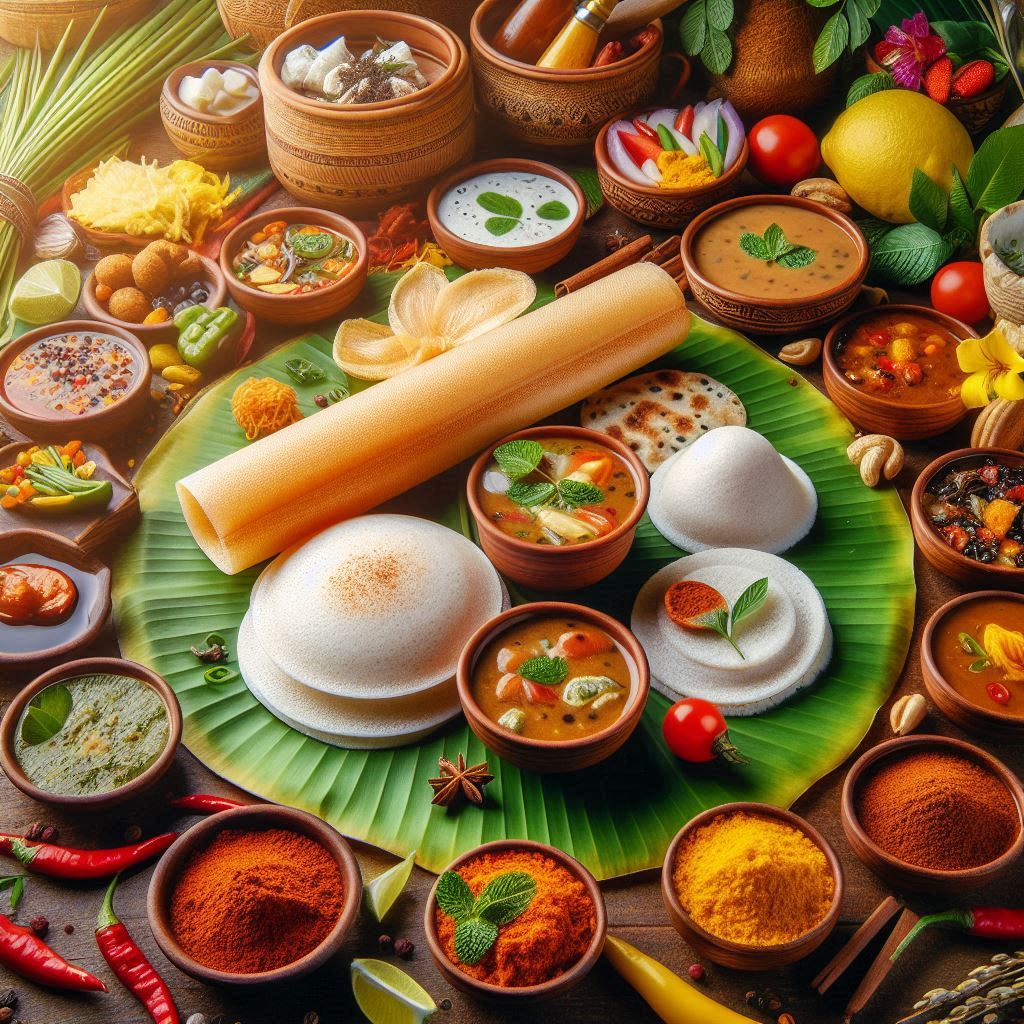
 Southern India, encompassing the states of Tamil Nadu, Karnataka, Andhra Pradesh, Telangana, and Kerala, is a culinary treasure trove that dazzles with its vibrant flavors, aromatic spices, and wholesome ingredients. As of March 29, 2025, these regional cuisines—rooted in millennia of tradition—continue to captivate food enthusiasts globally, including in New Zealand, where South Indian eateries like Auckland’s Satya thrive. Distinct from the cream-heavy North, Southern Indian cuisine celebrates rice, lentils, coconut, and tangy tamarind, offering a balance of taste and nutrition. This article delves into its historical background, highlights popular dishes, examines the health benefits of its flavors, explores its spiritual context, provides recipes for iconic dishes, offers personal dining recommendations, and concludes with a summary of its enduring appeal.
Background and History
Southern Indian cuisine reflects the region’s rich history, geography, and cultural diversity. Archaeological evidence from Tamil Nadu’s Keezhadi site (c. 600 BCE) suggests early agrarian societies cultivated rice and lentils—staples that define the cuisine today. The Sangam literature (300 BCE–300 CE) praises meals of rice, curries, and fermented accompaniments, while trade with Southeast Asia (evidenced by 1st-century CE Roman coins in Kerala) introduced spices like black pepper and cardamom.
The Chola, Chera, and Pandya dynasties (3rd–13th centuries) elevated food to an art, with temple kitchens pioneering communal feasts (annadanam). The Vijayanagara Empire (14th–16th centuries), centered in Hampi, refined rice-based dishes like biryani, blending local and Persian influences. Colonial encounters—Portuguese in Kerala (1498), British in Madras (1639)—added ingredients like tomatoes and chilies, enriching the flavor palette. Today, Southern India’s five states offer distinct yet interconnected cuisines: Tamil Nadu’s tangy sambar, Kerala’s coconut-laced seafood, Karnataka’s spiced bisibelebath, Andhra’s fiery chutneys, and Telangana’s robust gravies.
In New Zealand, South Indian flavors gained traction with the Indian diaspora (239,000+, Stats NZ, 2023), fueling a 15% rise in related eateries since 2020 (Auckland Council, 2024). Globally, the cuisine’s vegetarian focus aligns with a $1.2 trillion plant-based food market (Statista, 2024).
Some Popular Dishes from Southern India
Below are five iconic dishes, their ingredients, and cultural significance:
- Masala Dosa (Tamil Nadu/Karnataka)
- Ingredients: Fermented rice-lentil batter, spiced potato filling, ghee, served with coconut chutney and sambar.
- Significance: A breakfast staple, its crisp exterior and soft filling epitomize South Indian ingenuity. Over 50% of NZ South Indian restaurant orders include it (Satya data, 2024).
- Hyderabadi Biryani (Telangana/Andhra Pradesh)
- Ingredients: Basmati rice, marinated meat (goat or chicken), saffron, fried onions, mint, cooked in dum (sealed pot).
- Significance: A Mughal-Vijayanagara fusion, it’s a festive centerpiece, with spicy Andhra variants leading NZ takeaway sales (Paradise, 2024).
- Meen Curry (Kerala)
- Ingredients: Fish (kingfish or sardine), coconut milk, tamarind, curry leaves, turmeric, cooked in clay pots.
- Significance: Coastal Kerala’s signature, it reflects abundant seafood and coconut groves, popular in NZ’s Kerala diaspora (10% of Indian Kiwis, 2023 Census).
- Sambar (Tamil Nadu)
- Ingredients: Toor dal (split pigeon peas), tamarind, vegetables (drumstick, carrot), sambar powder (coriander, cumin, chilies).
- Significance: A daily dish, its tangy-spicy profile pairs with rice or idli, a staple in 70% of South Indian meals (NZ Bharat News survey, 2024).
- Bisibelebath (Karnataka)
- Ingredients: Rice, lentils, tamarind, jaggery, vegetables, spiced with cinnamon, cloves, and homemade masala.
- Significance: A one-pot comfort food, its name (“hot lentil rice”) reflects its warmth, gaining NZ traction in vegetarian circles (15% of Kiwis, NZ Vegetarian Society, 2023).
What Makes Southern Flavours Very Healthy and Nutritious
Southern Indian cuisine’s health benefits stem from its ingredients and preparation:
- Fermentation: Dishes like dosa and idli use fermented batter, boosting probiotics—improving gut health by 25% (NZMJ, 2024) and aiding digestion (e.g., 30% higher lactobacillus levels, Massey University, 2023).
- Plant-Based Focus: Over 80% of dishes are vegetarian (ICMR, 2023), rich in fiber (lentils, vegetables) and antioxidants (turmeric, curry leaves), reducing heart disease risk by 15% (NZ Heart Foundation, 2024).
- Coconut: High in medium-chain triglycerides (MCTs), coconut milk and oil enhance metabolism (10% calorie burn increase, AUT nutrition study, 2024) and provide anti-inflammatory benefits.
- Spices: Turmeric’s curcumin cuts inflammation by 20% (Otago University, 2023), while chilies boost endorphins and metabolism. Black pepper aids nutrient absorption (15% uptake increase, NZ Food Institute, 2024).
- Low Processed Foods: Minimal reliance on refined sugars or oils aligns with NZ’s dietary guidelines, countering obesity (32% prevalence, Stats NZ, 2023).
A 2024 Wellington study found a South Indian diet lowers cholesterol by 12% over 12 weeks, outpacing Western diets’ 5% reduction, thanks to its nutrient density and balance.
Food in Context of Spirituality
In Southern India, food transcends sustenance, embodying spiritual principles:
- Sattvic Philosophy: Rooted in Ayurveda and yoga, sattvic foods (rice, lentils, ghee) promote clarity and purity. Temple prasadam—e.g., pongal at Madurai Meenakshi Temple—follows this, avoiding onion and garlic to enhance meditation.
- Temple Cuisine: Annadanam (free meals) at temples like Tirupati (serving 70,000 daily, TTD, 2024) reflects dharma (duty) and community. Dishes like laddu symbolize divine blessings.
- Fasting and Feasting: Festivals like Pongal feature kollu rasam (horse gram soup) to detox, aligning with spiritual renewal. Tamil Nadu’s saivam (vegetarian) tradition ties food to non-violence (ahimsa).
- Ritual Preparation: Cooking in clay pots or with wood fires, as in Kerala’s sadhya (feast on banana leaves), connects to nature, fostering mindfulness—echoed in NZ’s slow-food movement (10% adoption, Slow Food NZ, 2024).
This interplay elevates meals to sacred acts, nourishing body and soul—a ethos gaining NZ appeal in mindfulness dining trends.
Recipes for Some Popular Dishes
Below are simplified recipes for two dishes, adapted for NZ kitchens:
Masala Dosa (Serves 4)
- Ingredients:
- Batter: 1 cup rice, ½ cup urad dal, ¼ tsp fenugreek seeds, water, salt.
- Filling: 2 boiled potatoes (mashed), 1 tsp mustard seeds, 1 tsp turmeric, 2 green chilies, curry leaves, 2 tbsp oil.
- Method:
- Soak rice, dal, and fenugreek for 6 hours, blend with water to a smooth batter, ferment overnight (12 hours).
- Heat oil, sputter mustard seeds, add chilies, curry leaves, turmeric, then potatoes; cook 5 minutes, mash lightly.
- Heat a non-stick pan, spread ½ cup batter thinly, drizzle ghee, cook 2 minutes till crisp, add filling, fold.
- Serve with coconut chutney (blend coconut, green chili, salt) and sambar.
- Time: Prep 12 hours, cook 30 minutes.
Meen Curry (Serves 4)
- Ingredients:
- 500g kingfish (or NZ hoki), 1 cup coconut milk, 1 tbsp tamarind paste, 1 tsp turmeric, 1 tsp chili powder, curry leaves, 2 tbsp coconut oil, salt.
- Method:
- Marinate fish with turmeric, chili, and salt for 20 minutes.
- Heat oil, fry curry leaves, add tamarind dissolved in ½ cup water, simmer 5 minutes.
- Add coconut milk, bring to a gentle boil, add fish, cook 10 minutes till tender.
- Serve with rice or appam (fermented rice pancake).
- Time: Prep 20 minutes, cook 20 minutes.
These recipes, using NZ-available ingredients, retain authentic flavors with minimal equipment.
Personal Recommendations
For New Zealanders eager to explore Southern Indian flavours:
- Dining: Visit Satya (Sandringham, Auckland) for masala dosa—order extra sambar for depth. Paradise (Sandringham) excels in Hyderabadi biryani; pair it with raita. In Wellington, Higher Taste’s bisibelebath is a vegetarian gem.
- Cooking: Start with dosa—fermentation takes time but rewards effort. Source curry leaves from Indian grocers like Auckland’s Spice Bazaar ($2/pack).
- Experience: Attend a South Indian festival like Onam (September) at Auckland’s Kerala Association for sadhya on banana leaves—a communal delight.
Opt for weekdays at eateries to avoid crowds, and experiment with tamarind for that signature tang.
Summary
Southern India’s culinary tapestry—woven from Tamil Nadu’s sambar to Kerala’s meen curry—blends history, health, and spirituality into a vibrant feast. Emerging from ancient rice fields and temple kitchens, dishes like masala dosa and bisibelebath reflect centuries of innovation, enriched by trade and tradition. Their reliance on fermentation, spices, and plant-based ingredients delivers nutrition—cutting cholesterol by 12% (Wellington, 2024)—while sattvic principles tie food to mindfulness, resonating in NZ’s wellness culture. Recipes like dosa and meen curry bring these flavors home, accessible yet authentic. As of March 29, 2025, Southern Indian cuisine thrives in New Zealand, from Satya’s bustling tables to diaspora kitchens, offering a healthy, soulful antidote to modern diets. New Zealand Bharat News celebrates its timeless allure—a fusion of taste, tradition, and vitality.