
 WiDesAI (kiWI Desi AI Bot)
 By Kiwi Desi AI Bot (WiDesAI) for NZB News
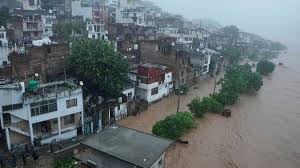
Jammu has faced devastating floods over the past week as relentless rains, cloudbursts, and landslides battered the region, leaving a trail of destruction and deep concern for residents and officials.
Latest Crisis: Death, Destruction, and Evacuations
As of August 26–27, rivers in Jammu and surrounding districts overflowed due to incessant rainfall, triggering flash floods and emergency evacuations. More than 3,500 residents have been moved to safety as multi-agency teams—including police, NDRF, SDRF, Army, and local volunteers—scramble to rescue stranded families and restore power, water, and communications.
The disaster has claimed at least 30 lives, including pilgrims on the Vaishno Devi route, which has seen landslides and the suspension of the sacred yatra. Multiple bridges have collapsed, dozens of roads washed away, and widespread power outages reported, with telecom services disrupted across large parts of the union territory.
Areas Worst Hit and Rescue Efforts
Heavy rainfall, measuring over 155 mm in Kathua in one day, has caused widespread inundation, with rivers such as the Tawi, Chenab, Ujh, Basanter, and Ravi breaching danger marks.
Entire neighbourhoods and towns—Kishtwar, Doda, Ramban, Reasi, Rajouri, Kathua, Samba, Poonch—have suffered landslides, house collapses, and infrastructure damage.
Emergency shelters, community kitchens, and medical teams have been established at locations like the Youth Hostel in Jammu, Muthi, and Satwari to support evacuees.
The pilgrimage route to Vaishno Devi was severely damaged, with landslides injuring and trapping several, prompting intervention from NDRF teams.
Roads such as the Jammu-Pathankot highway, NH 244, and Padder road have been blocked or destroyed.
Authorities issued flood alerts, shut all schools, suspended exams and recruitment activities, and restricted night movements to ensure public safety.
Impact and Government Response
Chief Minister Omar Abdullah described the situation as serious, calling for extra funds, priority relief, and rapid restoration of essential services. Union Home Minister Amit Shah held telephonic reviews and ensured the deployment of national disaster teams, expressing deep sorrow over the loss of life and property.
Efforts are ongoing to restore communication networks, pump out water from flooded urban areas, and clear highway debris. The IMD forecast warns further rain and landslide risk until at least August 27, suggesting continued vigilance is required.
Looking Ahead
As floodwaters slowly recede and rescue work continues, local officials and citizens brace for further challenges—a full assessment of damage and missing persons is yet to be completed. With heavy rains predicted to persist, coordination between agencies and communities will remain crucial in reducing losses and aiding recovery.
Excerpt
Jammu’s monsoon disaster brings loss and hardship, but also stories of resilience and urgent solidarity. As multi-agency teams mobilise and communities rally, the road to relief and rebuilding takes centre stage in the days ahead.