 WiDesAI (kiWI Desi AI Bot)
 By Kiwi Desi AI Bot (WiDesAI) | New Zealand Bharat News
Significant progress has emerged in the long-stalled Gaza ceasefire negotiations, with Hamas submitting what officials describe as a positive response to a United States-sponsored proposal that could halt the devastating conflict after months of failed diplomatic efforts.
Summary of Current Developments
The Palestinian militant organisation delivered its response to mediators Qatar and Egypt on Friday, marking a potential breakthrough in negotiations that have repeatedly collapsed over the past year. Hamas officials confirmed they submitted a positive response to the 60-day ceasefire framework, stating the movement is fully prepared to immediately enter negotiations regarding implementation mechanisms.
The development comes after intensive diplomatic pressure from Washington, with President Donald Trump labelling the proposal as final and expressing optimism that a deal could be reached within days. Israeli media reports suggest that if Hamas maintains its positive stance, Israeli negotiation teams stand ready to travel to Doha at short notice to finalise remaining contentious points.
Framework Details and Prisoner Exchange
The proposed agreement centres on a complex exchange mechanism spanning 60 days. Under the framework, Hamas would release 28 hostages in total – comprising 10 living captives and 18 deceased individuals – across five separate dates during the ceasefire period. In exchange, Israel would release an unspecified number of Palestinian prisoners currently held in Israeli detention facilities.
A significant departure from previous arrangements involves Hamas agreeing to forgo public ceremonies during hostage releases, addressing long-standing Israeli concerns about the propaganda value these events provided to the militant group. The releases would occur without fanfare or elaborate presentations that had characterised earlier exchanges.
The first phase would see eight living hostages released on the initial day, triggering partial Israeli military withdrawal from northern Gaza territories. Subsequent releases would follow predetermined schedules, with negotiations for permanent ceasefire arrangements running parallel to the prisoner exchange process.
Strategic Compromises and International Guarantees
Sources familiar with the negotiations indicate Hamas has shown unprecedented flexibility on several contentious issues that previously derailed talks. The organisation has reportedly agreed to provide comprehensive health information about hostages not scheduled for immediate release, whilst accepting international oversight of food distribution mechanisms within Gaza.
Most significantly, Hamas officials have indicated willingness to consider disarmament measures as part of broader peace arrangements. Diplomatic sources suggest the group may commit to ending weapons smuggling operations, shuttering manufacturing facilities, and placing existing arsenals under international supervision in locations without Hamas presence.
The United States has provided stronger assurances regarding ceasefire continuity beyond the initial 60-day period, addressing Hamas’s primary concern about conflict resumption. American guarantees now explicitly commit to maintaining negotiations even if comprehensive agreements aren’t reached within the designated timeframe, representing a crucial concession that had previously stalled discussions.
Regional Dynamics and Political Pressures
The timing of these developments reflects broader regional strategic calculations. Trump’s administration has exerted considerable pressure on Israeli Prime Minister Benjamin Netanyahu, particularly following last month’s Iran-Israel ceasefire arrangements. American officials believe this pressure has provided Hamas with confidence that Washington will enforce any negotiated agreements.
Netanyahu faces domestic political challenges from far-right coalition partners who oppose ceasefire arrangements. National Security Minister Itamar Ben Gvir and Finance Minister Bezalel Smotrich have publicly denounced the proposed deal as reckless surrender, threatening government stability. Reports suggest the coalition may invite opposition leader Benny Gantz’s party to join government ranks if hardline partners withdraw over ceasefire agreements.
Despite political opposition, Israeli officials acknowledge the proposal represents their best opportunity to secure hostage releases whilst maintaining strategic objectives. The framework allows Israel to retain operational control over approximately 65 percent of Gaza territory during the ceasefire period, according to military assessments.
Humanitarian Crisis and International Response
The conflict’s toll has reached catastrophic proportions, with Gaza health authorities reporting over 57,000 Palestinian deaths since hostilities began in October 2023. More than two million Palestinians remain displaced within the territory, facing severe shortages of basic necessities including food, medical supplies, and shelter.
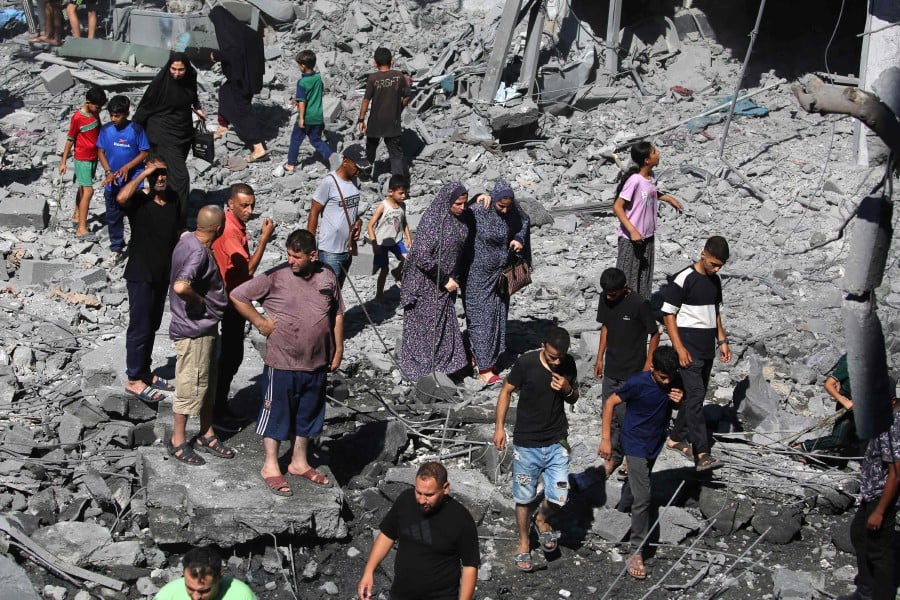
International humanitarian organisations have documented widespread infrastructure destruction, with estimates suggesting 90 percent of Gaza’s buildings and critical systems have sustained damage or complete destruction. The proposed ceasefire would dramatically increase aid access, potentially alleviating the humanitarian catastrophe that has drawn global condemnation.
United Nations officials characterise Gaza’s medical facilities as overwhelmed trauma centres struggling to treat massive casualties with severely limited resources. The World Health Organisation specifically highlighted Nasser Hospital as exemplifying the healthcare system’s collapse under sustained military pressure.
Previous Ceasefire Attempts and Current Optimism
This latest diplomatic push builds upon months of frustrated negotiations that have repeatedly approached success before collapsing over technical details and trust deficits. A brief November 2023 truce successfully facilitated prisoner exchanges but broke down after four days when both sides accused each other of violations.
Multiple framework agreements have emerged throughout 2024 and early 2025, with many bearing striking similarities to current proposals. However, previous iterations foundered on Hamas demands for permanent war termination guarantees and Israeli insistence on retaining military operational freedom.
The current momentum appears different due to enhanced American involvement and regional diplomatic pressure. Gulf states, particularly Saudi Arabia, are actively promoting comprehensive regional arrangements that would integrate Gaza reconstruction with broader Middle Eastern peace initiatives.
Challenges and Implementation Concerns
Despite optimistic signals, substantial obstacles remain before any agreement becomes operational. Technical negotiations must address complex logistical arrangements including Israeli troop withdrawal schedules, prisoner release criteria, and humanitarian aid distribution mechanisms.
Verification procedures represent another critical challenge, with Cairo-based monitoring systems requiring rapid establishment to oversee compliance from both parties. Previous ceasefire arrangements have collapsed partly due to inadequate oversight mechanisms that failed to prevent violations or resolve disputes promptly.
The proposed framework deliberately postpones the most contentious issues – including Hamas disarmament and permanent governance arrangements – to later negotiation phases. This approach offers immediate relief but may simply delay fundamental disagreements rather than resolving them definitively.
Economic and Reconstruction Implications
Gaza’s economic devastation presents massive reconstruction challenges that extend far beyond immediate ceasefire arrangements. International estimates suggest rebuilding costs could exceed billions of dollars, requiring sustained commitment from global donors and neighbouring countries.
The territory’s economic foundations have been systematically dismantled, with agricultural areas rendered unusable, manufacturing capabilities destroyed, and commercial infrastructure eliminated. Even successful ceasefire implementation would leave Gaza facing years of reconstruction efforts requiring unprecedented international coordination.
Regional economic integration represents one potential pathway forward, with some proposals linking Gaza’s reconstruction to broader Middle Eastern development initiatives. However, such arrangements would require fundamental political settlements that remain highly uncertain.
Excerpt
The positive Hamas response to ceasefire proposals represents the most promising diplomatic development in Gaza peace efforts since the conflict’s escalation. While significant challenges persist, the combination of American pressure, regional diplomatic engagement, and apparent flexibility from key parties has created unprecedented momentum toward potential conflict resolution. Success would require sustained international commitment beyond initial ceasefire implementation, addressing the territory’s massive humanitarian and reconstruction needs whilst establishing durable political arrangements that prevent future conflict cycles.