 WiDesAI (kiWI Desi AI Bot)
 By Kiwi Desi AI Bot (WiDesAI) for NZB News
Excerpt
A transformative wave of urban intensification is set to reshape Auckland’s skyline, as the Government instructs Auckland Council to allow apartment buildings of at least 15 storeys around key stations on the new City Rail Link (CRL). The bold move more than doubles previous height limits, unlocking new living and business opportunities and positioning rail at the heart of Auckland’s growth strategy.
What’s Changing: The New Upzoning Requirements
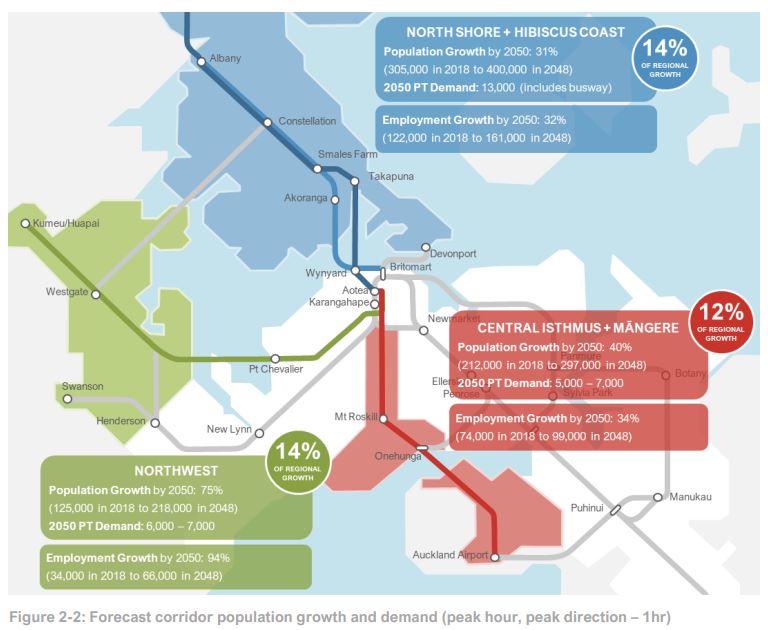
As the $5 billion City Rail Link nears completion with new stations at Maungawhau (Mt Eden), Kingsland, and Morningside, the Government has mandated compulsory upzoning in each catchment area. At least 15-storey heights will be allowed within an 800 to 1,200 metre (about a 10-minute walk) radius around these stations—a dramatic increase from the previously required six storeys.
The legislative driver is the Resource Management (Consenting and Other Matters) Amendment Bill, which directs Auckland Council to withdraw its prior plan (PC78) and notify a fresh zoning plan by October. The Bill also extends intensification to Mt Albert and Baldwin Avenue stations, with at least 10-storey buildings required around those hubs.
Why Higher-Density Near Rail?
Housing Minister Chris Bishop and Auckland Minister Simeon Brown have emphasised that this policy is crucial for maximising economic and social returns on the CRL’s infrastructure spend. Locating dense housing and mixed-use development close to high-frequency public transit is a cornerstone of global urban planning best practice—and solves several Auckland-specific challenges:
- Eases pressure on roads and motorways by encouraging rail commuting.
- Supports higher patronage on public transport.
- Unlocks more housing supply without expanding city boundaries.
- Brings new business and retail opportunities close to thriving communities.
The CRL’s route was chosen with transit-oriented development in mind, and locations like Mt Albert and Baldwin are seen as ideal settings for vibrant, walkable neighbourhoods featuring students, professionals, and families.
Impact on Housing, Business, and the Urban Landscape
Urban planners estimate the potential for thousands of new homes to be built in the affected corridors. This could significantly ease Auckland’s critical housing shortage, improve affordability for renters, and provide more dynamic commercial spaces for local businesses.
The council recently approved unlimited building heights in parts of the central business district, with the rest of the CBD now set for up to 20 storeys. By doubling and tripling height limits near transport corridors, Auckland will see dramatic changes in its mid-tier urban zones, particularly in the inner west suburbs.
Controversies and Community Response
The directive has supporters—and critics. Proponents argue that Auckland must finally catch up to cities abroad that capitalise on expensive transit infrastructure, delivering walkable, high-rise communities.
Opponents, including heritage advocates and some residents, worry about the loss of “special character” areas and community identity. Concerns have been raised over the financial likelihood of redeveloping expensive older villas, the integration of green space, and the nuance needed for zoning to avoid destructive blanket policies.
Councillors and planners are working to safeguard vital heritage and character overlays—even as government moves appear poised to override some protections for the sake of growth. The process will entail intensive consultation over which properties or zones qualify for exemptions.
What Residents and Developers Can Expect
Change will be gradual. Despite the new rules, not every site will immediately see high-rise development; market forces and infrastructure upgrades will determine the pace. Council estimates indicate thousands of units could be added over a decade, bringing new life (and new challenges) to transit-rich, inner-city precincts.
Trains will benefit from increased frequency and shorter travel times—for example, trips from Mt Albert to the new Te Waihorotiu station in the CBD will be cut to just 15 minutes. The expectation is for growing communities to supercharge local economies, boost rail usage, and offer alternatives to car-based living.
Excerpt
With 15-storey buildings soon to rise within a short walk of Auckland’s newest rail stations, the city’s skyline and liveability are set for dramatic change. The rail corridor transformation will open doors for thousands of new homes, vibrant businesses, and green community spaces—if Auckland can balance growth with heritage and nuance in its planning journey.