




 Dorothy Brown
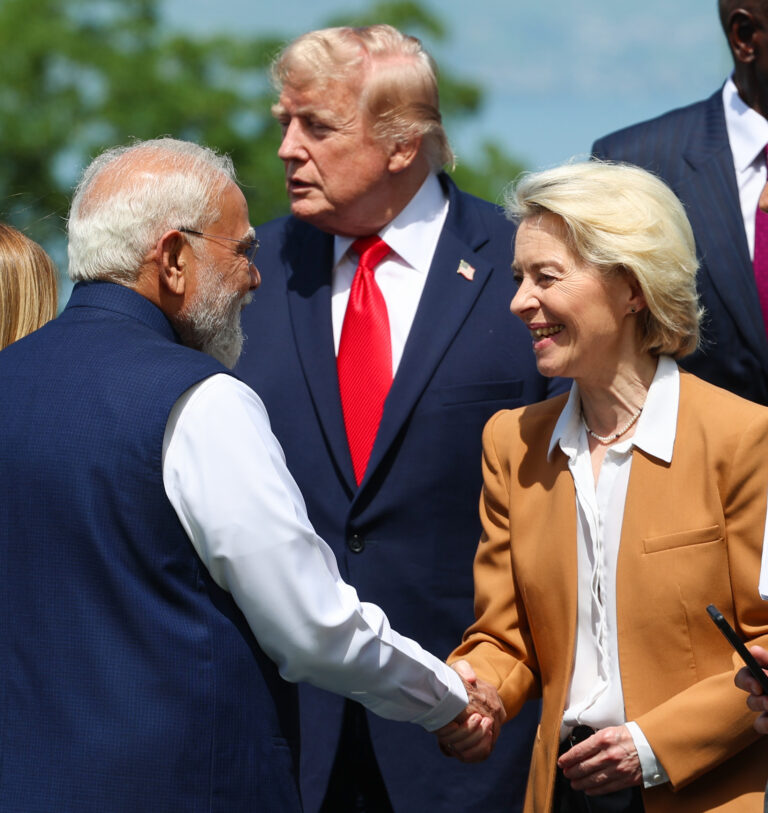
 Negotiations between India and the United States are close to producing a much-anticipated trade agreement, potentially lowering current tariffs on Indian goods from a steep 50% to around 15 or 16%. The planned breakthrough is expected to be formalised at the ASEAN Summit later this month, during a meeting between US President Donald Trump and Indian Prime Minister Narendra Modi.
Both sides have focused on energy and agriculture as critical bargaining points in the lead-up to the deal. India may agree to gradually scale down its imports of Russian oil, a step prompted by steep levies placed on its exports after previous increases in oil purchases from Russia. At present, Russia supplies about a third of India’s crude, while roughly one-tenth of India’s oil and gas needs are met by US imports.
Agricultural trade forms another significant component of the discussions. India is reportedly open to allowing more imports of non-genetically modified American maize and soymeal, responding to growing domestic demand from sectors such as poultry feed, dairy, and biofuels. However, talks around tariffs on dairy products, especially premium cheese, remain inconclusive, despite persistent US requests for greater market access.
The context for this accelerated engagement is partly China’s more forceful trade posture. US corn exports to China have sharply declined in recent years, prompting Washington to seek fresh buyers, with India seen as a promising alternative. India may increase its annual quota for American maize but intends to keep import duties unchanged at 15%. US officials, meanwhile, are seeking improved market access as a condition for the deal.
Energy imports are another area where India may make subtle changes. While official announcements are unlikely, indications are that Indian state-run oil companies could be quietly directed to diversify crude sourcing, shifting some demand towards the US. This would follow informal signals already sent by Indian officials to Moscow about tapering purchases of Russian crude. These moves, however, are balanced against domestic priorities—India’s commerce ministry, foreign office, and national security authorities are all involved in shaping the country’s negotiating stance.
India’s openness to greater US energy imports is also subject to global price trends. With shrinking discounts on Russian oil and competitive prices from the Middle East and the US, India has scope to increase American crude and gas purchases by billions of dollars a year, so long as pricing remains attractive to local refiners.
Trade figures underline the significance of the partnership. In the first half of the current financial year, bilateral trade between India and the US rose to $71.41 billion, an 11.8% increase on the same period last year. Indian exports to the US rose by over 13% in that time, while US exports to India grew by approximately 9%.
Despite the optimism, industry analysts and stakeholders urge caution. Some in India’s agricultural sector worry that increased imports of US soymeal or corn could depress local prices and undermine farm incomes. Trade experts note that while the US is now more eager for a deal—given its ongoing trade tensions with China—India should maintain firm negotiating positions on agricultural safeguards, digital trade, e-commerce, and intellectual property rights, and avoid conditions that might restrict its future autonomy in trade decisions.
A key feature of the emerging agreement is expected to be a formal review mechanism. This would allow both sides to periodically reassess tariffs and market access conditions, providing flexibility to adapt the arrangement as global and domestic conditions evolve.
While previous target dates for signing the deal have passed unfulfilled, there is renewed momentum for a November 2025 resolution. The agreement, if realised, could mark a transformative moment in economic relations between two of the world’s largest democracies, setting the stage for deeper collaboration in trade, energy, and beyond.