


 Imogen King
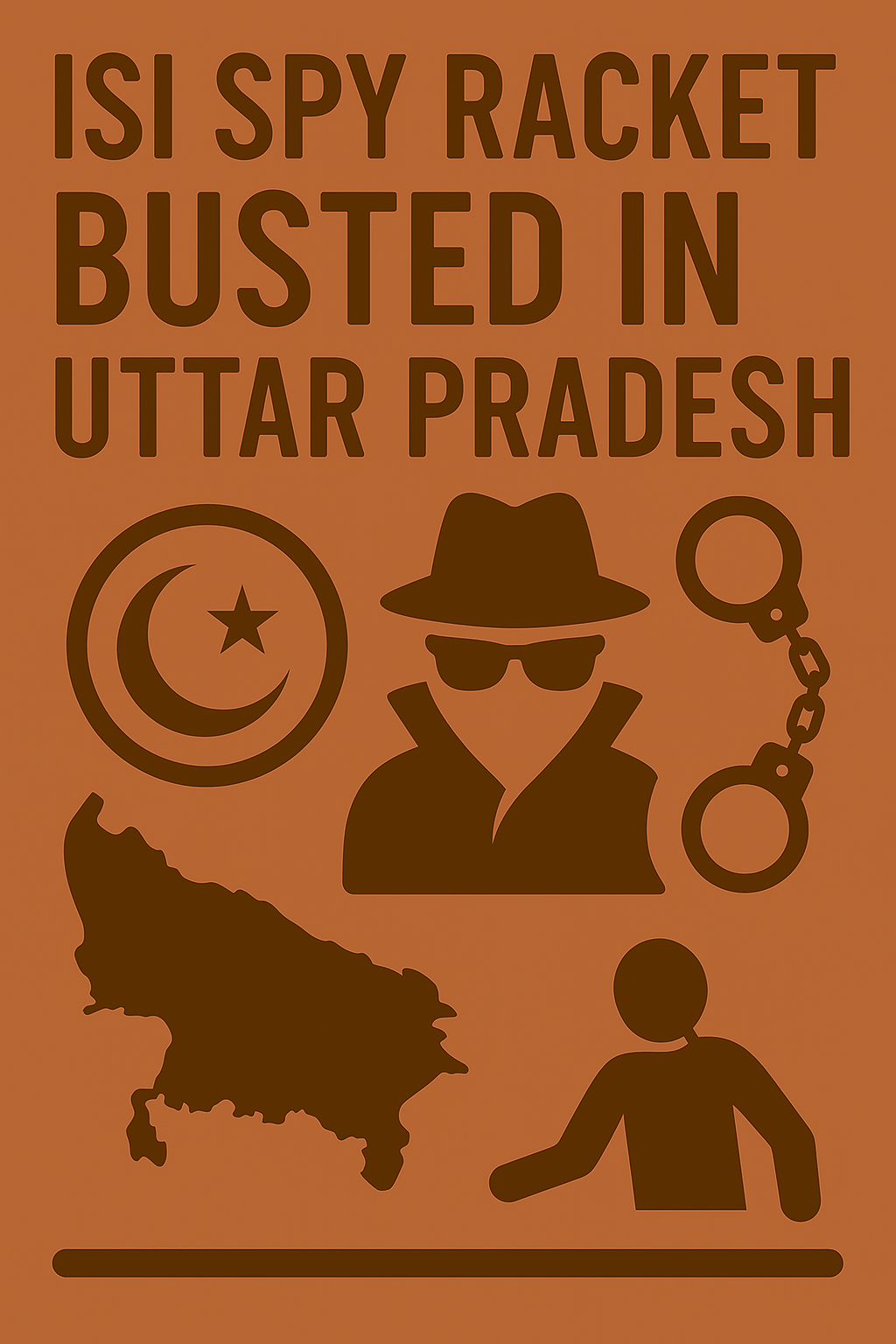
 A major breakthrough in India’s counter-espionage efforts has come with the arrest of several individuals in Uttar Pradesh, exposing a sophisticated spy racket allegedly run by Pakistan’s Inter-Services Intelligence (ISI). The Uttar Pradesh Anti-Terrorism Squad (ATS) has apprehended key operatives accused of passing sensitive information to Pakistani handlers, facilitating cross-border smuggling, and recruiting Indian nationals for ISI activities. The crackdown is part of a nationwide operation following heightened tensions between India and Pakistan and a recent surge in espionage cases.
The Arrest of Shehzad: Smuggling as a Cover for Espionage
The latest arrest in this widening investigation is that of Shehzad, a businessman from Rampur district, who was taken into custody in Moradabad. Shehzad had been under ATS surveillance after intelligence inputs suggested his involvement in illegal cross-border trade and espionage. Investigators discovered that he had travelled to Pakistan multiple times under the guise of trading goods such as cosmetics, clothing, and spices.
Authorities allege that Shehzad’s smuggling activities served as a front for his real mission: gathering and transmitting sensitive information related to India’s national security to ISI handlers. He is also accused of facilitating the transfer of funds to Pakistani agents operating in India and supplying Indian SIM cards to ISI operatives, enabling secure communication for subversive purposes.
Recruitment and Facilitation: Sending Indians to Pakistan
A further disturbing element of the racket is Shehzad’s alleged role in recruiting individuals from Rampur and other parts of Uttar Pradesh, sending them to Pakistan under the pretext of smuggling. These trips, with visas and travel documents reportedly arranged by ISI operatives, were used to identify and groom new recruits for ISI-linked activities. The ATS believes that this network has enabled the ISI to expand its reach within India, using ordinary trade and travel as a cover for espionage and recruitment.
Legal Proceedings and Charges
Shehzad has been booked under relevant sections of the Bharatiya Nyaya Sanhita, including conspiracy to wage war against the government and acts endangering India’s sovereignty, unity, and integrity. He has been produced before a magistrate and remanded to judicial custody. The ATS continues to interrogate him and others linked to the network, seeking to uncover the full extent of the ISI’s operations in the region.
A Nationwide Crackdown: Multiple States, Multiple Arrests
Shehzad’s arrest is part of a broader, coordinated crackdown on ISI-linked espionage networks across India. In just the past week, at least a dozen individuals have been arrested in states including Uttar Pradesh, Haryana, and Punjab. Among them are not only businessmen like Shehzad but also social media influencers, YouTubers, students, and labourers.
One high-profile case is that of Jyoti Malhotra, a travel blogger from Haryana, who was arrested for allegedly passing sensitive information to a Pakistani officer stationed at the Pakistan High Commission in New Delhi. Investigations have revealed that Malhotra and others were in regular contact with ISI handlers, especially during the recent military conflict between India and Pakistan.
Modus Operandi: Trade, Technology, and Trusted Networks
The ISI’s espionage network in India relies on a blend of old and new tactics:
- Cross-Border Trade as Cover: Smuggling goods like cosmetics, clothing, and spices provides a legitimate-seeming reason for frequent travel between India and Pakistan, masking the real purpose of espionage and recruitment.
- Digital Communication: Indian SIM cards supplied by operatives like Shehzad enable secure messaging and coordination between ISI agents and their Indian contacts.
- Financial Facilitation: Funds are transferred to support ISI operatives in India, often under the guise of business transactions or remittances.
- Recruitment and Grooming: Unsuspecting individuals are lured to Pakistan with promises of business opportunities, only to be recruited for intelligence work and subversive activities.
Security Implications: A Wake-Up Call
The unearthing of this ISI spy racket has sent ripples through India’s security establishment. Uttar Pradesh, with its proximity to the border and large population, has long been considered a potential target for foreign intelligence agencies. The use of smuggling and legitimate business as a cover for espionage poses a significant challenge for law enforcement, requiring constant vigilance and intelligence-sharing between agencies.
Officials have also highlighted the role of technology in enabling espionage, with Indian SIM cards and encrypted messaging apps making it easier for foreign handlers to direct operations from afar. The recruitment of ordinary citizens, including those with no prior criminal background, underscores the sophistication of ISI’s tactics.
Community and Political Response
The arrests have sparked concern and debate in Uttar Pradesh and beyond. Community leaders have called for greater awareness among the public about the risks of being drawn into illegal activities under the guise of trade or travel. The government has reiterated its commitment to national security and warned that anyone found aiding foreign intelligence agencies will face the full force of the law.
Political leaders have praised the ATS and other agencies for their swift action, urging continued vigilance and cooperation between states. The crackdown has also prompted calls for tighter controls on cross-border movement, stricter verification of travel documents, and enhanced monitoring of financial transactions linked to suspicious activities.
The Road Ahead: Ongoing Investigation and Prevention
With Shehzad and other key operatives now in custody, the ATS is intensifying its investigation to identify additional members of the network and trace the flow of information and funds. Authorities are also reviewing visa and travel records, business registrations, and communications data to uncover any remaining links to ISI handlers.
Law enforcement agencies are urging the public to report suspicious activity, especially in border areas and among those involved in cross-border trade. The hope is that increased awareness and community cooperation will help prevent future infiltration by foreign intelligence agencies.
Summary
The busting of the ISI spy racket in Uttar Pradesh marks a significant victory for Indian security agencies in their ongoing battle against foreign espionage. The arrests have exposed a complex network that used trade, technology, and trusted relationships to gather intelligence and recruit new agents. As the investigation continues, authorities are determined to dismantle the network completely and send a clear message: India will not tolerate any threat to its sovereignty and security.