




 Tracey Beatrice
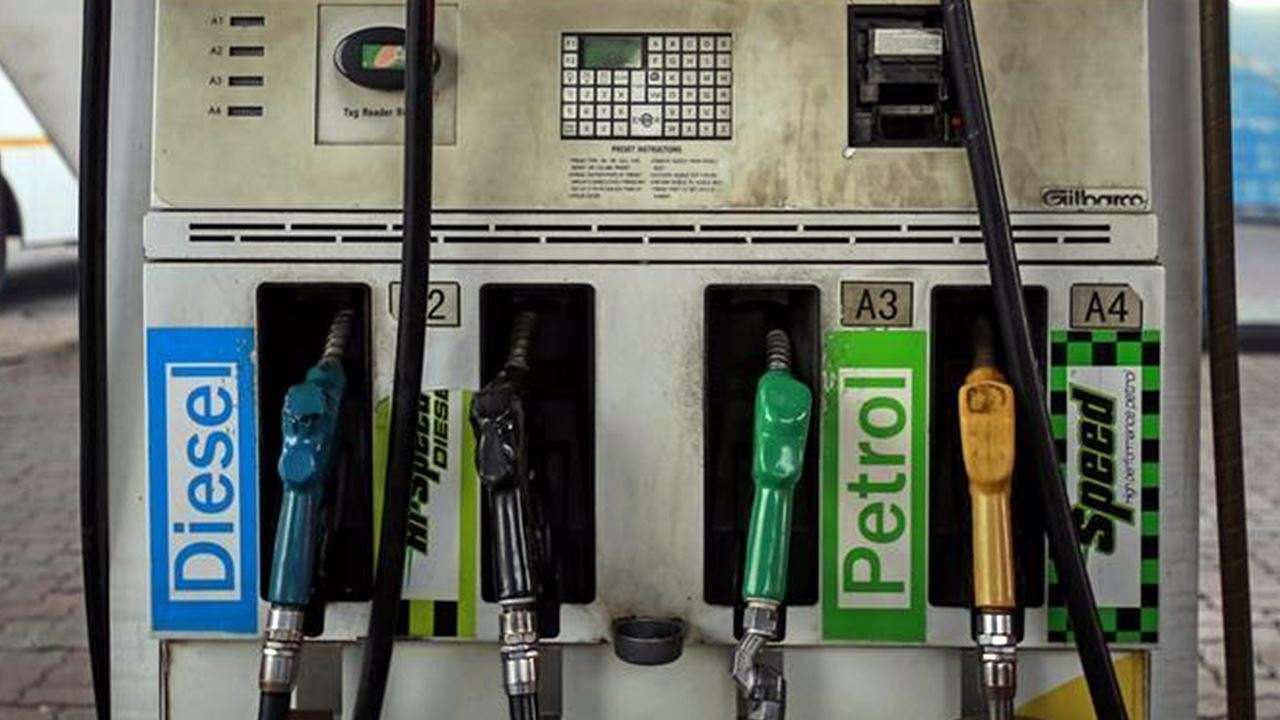
 BENGALURU, INDIA – Diesel prices in Karnataka, a southern Indian state known for its bustling tech hub Bengaluru, are set to rise by Rs 2 per litre following a decision by the state government to increase the Karnataka Sales Tax (KST) on diesel from 18.4% to 21.17%. The change, effective from 1 April 2025, pushes the retail price of diesel to Rs 91.02 per litre across the state, adding to a series of recent cost-of-living pressures for residents. Announced via a government notification on Tuesday, 1 April, this move has sparked debate about its economic implications, especially amidst a backdrop of successive price hikes in milk, electricity, public transport, and property-related fees.
For New Zealanders observing India’s economic landscape—whether through the lens of trade, diaspora connections, or global fuel trends—this development offers insight into how regional policies in one of India’s most progressive states could ripple through its economy and beyond. Here, NZB News delves into the details of this decision, its historical context, and its potential impact on various stakeholders.
The Announcement: What Happened?
On 1 April 2025, the Karnataka Government, led by Chief Minister Siddaramaiah of the Indian National Congress, issued a notification hiking the sales tax on diesel by approximately 3 percentage points. This adjustment lifts the KST rate from 18.4% to 21.17%, translating directly into a Rs 2 per litre increase at the pump. Prior to the hike, diesel retailed at Rs 88.99 per litre in Bengaluru, with slight variations across the state due to local taxes and transport costs. Post-hike, the new uniform price stands at Rs 91.02 per litre.
Additional Chief Secretary to the Chief Minister, LK Atheeq, defended the decision, arguing that even with the increase, Karnataka’s diesel prices remain competitive within South India. “The hike is expected to generate about Rs 2000 crore (approximately NZ$400 million) in additional revenue,” Atheeq told local media, emphasising that there are no immediate plans to raise the sales tax on petrol, which currently stands at 29.84%.
The move comes amid a flurry of price adjustments in Karnataka, including a Rs 4 per litre milk price hike, a 15% increase in bus fares, a Metro fare rise of up to 71%, and the introduction of a solid waste management fee tied to property tax in Bengaluru, all effective from April 2025. This diesel tax hike, therefore, is the latest in a string of measures that critics argue are straining household budgets.
Historical Context: Diesel Pricing and Taxation in Karnataka
To understand this development, it’s worth tracing the history of fuel pricing and taxation in Karnataka and India at large. India’s fuel prices are a complex interplay of global crude oil rates, central government excise duties, and state-level value-added taxes (VAT) or sales taxes like the KST. Unlike New Zealand, where fuel taxes are relatively uniform under the Excise Duty and Regional Fuel Tax frameworks (currently around NZ$0.70 per litre plus GST), India’s states wield significant autonomy in setting local tax rates, leading to price disparities across regions.
In Karnataka, diesel taxation has fluctuated over the years. Prior to November 2021, the KST on diesel stood at 24%, with prices hovering around Rs 92.03 per litre. A reduction that year brought the rate down to 14.3%, offering relief amid global oil price volatility triggered by the COVID-19 pandemic and subsequent recovery. However, in June 2024, the Siddaramaiah government reversed course, raising the diesel tax to 18.4%, resulting in a Rs 3.02 per litre hike. Petrol taxes were also increased at the time, from 25.92% to 29.84%, pushing its price up by Rs 3 per litre to Rs 102.92.
This latest hike to 21.17% reflects a broader trend of state governments in India tapping fuel taxes to bolster revenue, especially as post-pandemic fiscal pressures mount. Karnataka’s economy, heavily reliant on agriculture, IT, and manufacturing, has faced challenges from rising input costs and infrastructure demands, prompting the government to seek additional funds through taxation.
Globally, diesel prices have been volatile in recent years. In New Zealand, diesel prices as of early 2025 hover around NZ$2.20 per litre (approximately Rs 110), influenced by international crude oil benchmarks like Brent, which averaged US$74 per barrel in late 2024. Karnataka’s Rs 91.02 per litre (around NZ$1.82) remains lower than New Zealand’s, but the relative affordability masks the burden on India’s lower-income households, where fuel costs disproportionately impact daily life.
Why Now? The Rationale Behind the Hike
The Karnataka Government’s decision appears driven by a mix of fiscal necessity and political calculus. With state elections not due until 2028, the Congress-led administration may view 2025 as a window to implement unpopular measures without immediate electoral fallout. The Rs 2000 crore revenue boost is earmarked for infrastructure projects and welfare schemes, including the state’s flagship “guarantee” programmes—free electricity, cash transfers for women, and subsidised transport—which have strained the budget since their rollout in 2023.
LK Atheeq’s assertion that Karnataka’s diesel prices remain the lowest in South India holds some weight. As of 31 March 2025, diesel cost Rs 94.42 per litre in Hosur (Tamil Nadu), Rs 95.66 in Kasaragod (Kerala), Rs 97.35 in Anantapur (Andhra Pradesh), Rs 95.70 in Hyderabad (Telangana), and Rs 91.07 in Kagal (Maharashtra). At Rs 91.02, Karnataka undercuts most neighbours, though the gap has narrowed.
Critics, however, argue that the timing is ill-considered. Posts on X, a platform widely used in India, reflect growing public frustration, with users like
@nabilajamal_ noting the cumulative burden of recent hikes: “Milk & curd prices hiked, Metro fares hiked, electricity fares to increase, garbage tax imposed—now diesel too!” Opposition parties, including the Bharatiya Janata Party (BJP), have seized on this sentiment, accusing the government of fiscal mismanagement and overtaxing citizens.
Impact on Stakeholders
The Rs 2 per litre diesel hike will reverberate across Karnataka’s economy, affecting various groups differently:
- Consumers and Households: For Karnataka’s 67 million residents, diesel powers not just vehicles but also generators and agricultural equipment. The price rise will increase transport costs, likely pushing up prices for essentials like vegetables, milk, and grains—already strained by recent weather disruptions and milk price hikes. In Bengaluru, a city of 13 million, commuters reliant on diesel-run buses and auto-rickshaws may face higher fares.
- Farmers: Agriculture, a backbone of Karnataka’s rural economy, depends heavily on diesel for tractors, pumps, and transport. The Akhila Karnataka Petroleum Dealers Association estimates the hike could raise farming costs by Rs 2–2.75 per litre, depending on local factors. With milk prices also up, farmers face a double squeeze—higher input costs and static procurement rates from cooperatives like the Karnataka Milk Federation (KMF).
- Transport and Logistics: Diesel fuels India’s trucking industry, which moves 70% of the country’s freight. A Rs 2 increase may seem modest, but for operators running fleets across Karnataka’s 320,000 km road network, it adds up. The All India Motor Transport Congress has warned of potential freight rate hikes, which could inflate costs for businesses and consumers alike.
- Industry and IT Sector: Bengaluru’s IT giants—employing over 1.5 million people—rely on diesel generators during frequent power cuts. The hike will nudge up operational costs, though the impact may be marginal for large firms. Small businesses, however, could feel the pinch more acutely.
- Government and Revenue: The projected Rs 2000 crore windfall offers breathing room for Karnataka’s fiscal planners. Yet, it risks fuelling inflation and eroding public trust, especially if welfare benefits fail to offset rising costs.
For New Zealand’s Indian diaspora, many of whom hail from Karnataka, this hike could indirectly affect remittances or travel costs during visits home. Businesses trading with India—such as dairy exporters or machinery suppliers—may also monitor how fuel costs influence Karnataka’s competitiveness.
Broader Implications and Comparisons
This development aligns with global trends of governments adjusting fuel taxes to balance budgets or fund green initiatives. In New Zealand, the Labour Government’s 2018–2023 fuel tax increases funded transport infrastructure, drawing similar public backlash. India, however, lacks a unified approach to fuel taxation, with states like Karnataka acting independently of the central government’s excise duties, which have remained static since 2022.
The hike also raises questions about India’s energy transition. Diesel and petrol account for 80% of the country’s transport fuel, yet electric vehicle (EV) adoption lags, with only 1.3% of Karnataka’s vehicles electric as of 2024. Higher diesel costs could incentivise EV uptake, but without robust charging infrastructure, the shift remains slow.
Summary
The Karnataka Government’s decision to raise the diesel sales tax to 21.17%, effective 1 April 2025, has pushed prices to Rs 91.02 per litre, a Rs 2 increase that underscores the state’s revenue-raising efforts amid fiscal pressures. Rooted in a history of fluctuating fuel taxes, the move aims to generate Rs 2000 crore for infrastructure and welfare, though it risks stoking inflation and public discontent. Farmers, transporters, consumers, and businesses face higher costs, while the government walks a tightrope between fiscal needs and political goodwill. For New Zealand observers, this highlights the economic challenges facing one of India’s key states—and the delicate balance of taxation in a developing economy.