





 Sushma Prajwal
 India’s Ministry of External Affairs (MEA) has rolled out a comprehensive set of changes to the Indian passport system in 2025, marking one of the most significant updates in years. These reforms aim to enhance security, protect personal data, streamline the application process, and bring India’s passport standards in line with global best practices. Here’s a detailed look at the new rules and the reasoning behind each change.
1. Introduction of E-Passports
What’s New:
E-passports, featuring an embedded electronic chip, are now being issued across India. The chip securely stores biometric and demographic data, making the document harder to forge and expediting immigration checks.
Rationale:
- Security: Reduces the risk of identity theft and passport fraud.
- Efficiency: Speeds up airport processing and international travel.
- Global Standards: Aligns India with countries already using e-passport technology.
2. Mandatory Birth Certificate for Certain Applicants
What’s New:
For applicants born on or after October 1, 2023, a government-issued birth certificate is now the sole accepted proof of date of birth. Those born before this date can still use alternative documents, such as school certificates, PAN cards, voter IDs, or driving licences.
Rationale:
- Authenticity: Ensures the accuracy of birth data, reducing document forgery.
- Uniformity: Standardizes the process for new applicants and aligns with international norms.
- Ease of Verification: Simplifies verification for authorities.
3. Removal of Residential Address from Passport Booklet
What’s New:
The passport’s last page will no longer display the holder’s residential address. Instead, the address is digitally embedded in a barcode, accessible only to immigration and security officials.
Rationale:
- Privacy: Protects passport holders from potential misuse of personal information.
- Security: Reduces the risk of identity theft and document forgery.
- Modernization: Brings India in line with digital data protection standards.
4. Parents’ Names No Longer Printed
What’s New:
Parents’ names will no longer be printed on the passport. This change is especially significant for single-parent families or those who prefer to keep family details private.
Rationale:
- Inclusivity: Supports diverse and evolving family structures.
- Privacy: Limits unnecessary disclosure of personal and family information.
- Simplicity: Reduces complications for applicants from non-traditional families.
5. Colour-Coded Passports for Easy Identification
What’s New:
A new colour-coding system helps quickly identify the type of passport:
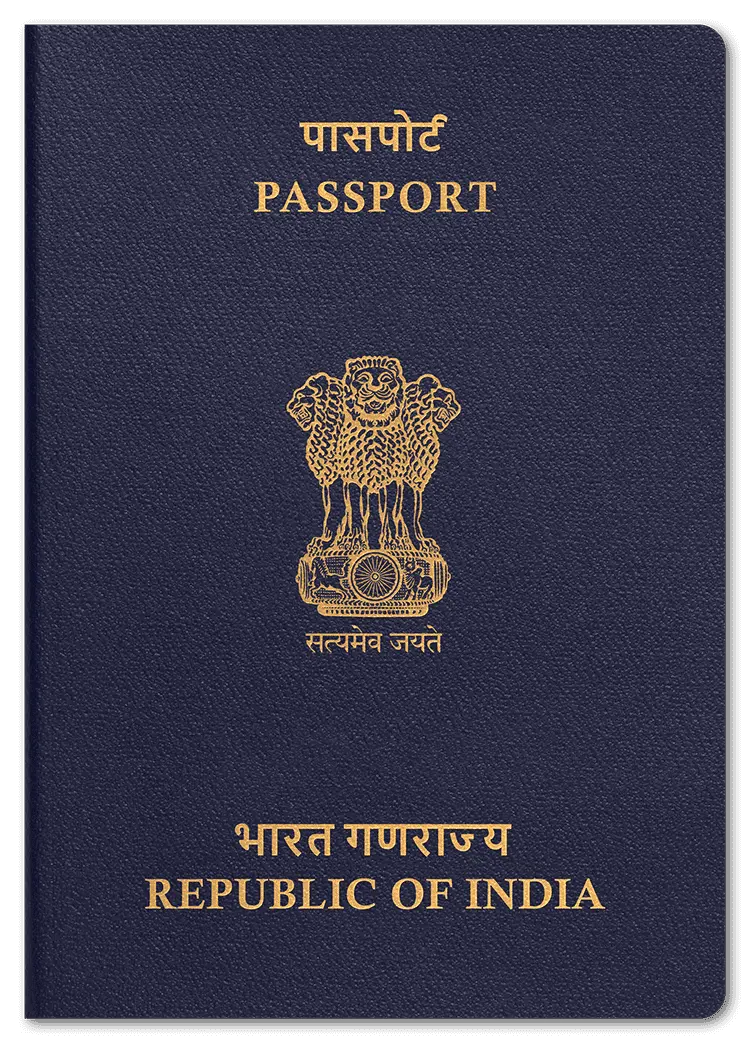
- Blue: Ordinary citizens
- White: Government officials
- Red: Diplomats
- Grey: Emergency travel documents (e.g., for repatriation)
- Orange: Immigration-specific passports
Rationale:
- Efficiency: Speeds up processing at immigration and consular counters.
- Clarity: Reduces confusion and helps officials quickly identify passport categories.
- Global Practice: Follows international trends for document differentiation.
6. Simpler Name Change Process After Marriage
What’s New:
Women can now update their passport after marriage without a marriage certificate, using a simplified “Annexure J” form.
Rationale:
- Convenience: Reduces paperwork and speeds up the process.
- Empowerment: Makes it easier for women to update their identity documents.
7. Expansion of Passport Seva Kendras
What’s New:
The number of Post Office Passport Seva Kendras (POPSKs) will increase from 442 to 600 over the next five years, making passport services more accessible nationwide.
Rationale:
- Accessibility: Brings passport services closer to rural and remote populations.
- Efficiency: Reduces wait times and improves service delivery.
8. Digital Integration and Data Security
What’s New:
The Passport Seva Program 2.0 integrates digital records, biometric data, and online verification, making the entire process more secure and applicant-friendly.
Rationale:
- Fraud Prevention: Stronger digital records reduce the risk of forgery.
- Convenience: Streamlines the application and renewal process.
- Data Protection: Adheres to modern standards for personal data security.
Summary
The 2025 changes to India’s passport system reflect a determined push toward greater security, privacy, and efficiency. By adopting e-passports, mandating stricter documentation, removing sensitive personal information from the booklet, and introducing colour-coding, India is modernizing its travel documents to meet global standards and better protect its citizens. These updates are designed not only to make international travel safer and smoother but also to ensure that the passport system is inclusive, transparent, and resilient against misuse in a rapidly changing world.