 Seraphina Hughes
 A Diplomatic Mission Concludes with Strong Words
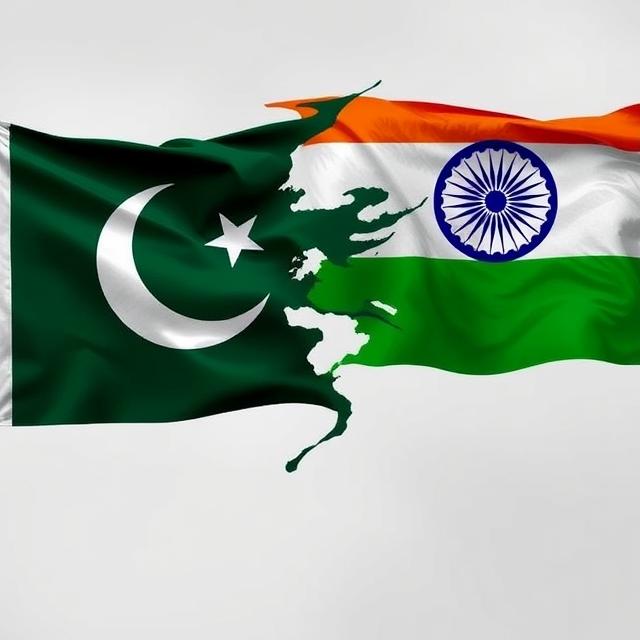
A high-profile all-party delegation has returned to India following an extensive tour of Europe, where it engaged with government officials, parliamentarians, and think tanks across several countries. The delegation’s core message was a forceful condemnation of state-sponsored terrorism, with a particular focus on activities allegedly originating from Pakistan. Upon their return, members of the delegation expressed confidence that their efforts would lead to Pakistan’s increasing isolation on the international stage.
The group, which included representatives from major Indian political parties, visited France, Italy, Denmark, England, Brussels, and Germany during their multi-nation trip. Their itinerary was packed with meetings aimed at strengthening India’s diplomatic ties with European partners and highlighting the urgent need for a united front against terrorism.
Condemnation of the Pahalgam Terror Attack
A central theme of the delegation’s discussions in Europe was the recent terror attack in Pahalgam, Jammu and Kashmir. The incident, which drew widespread condemnation from global partners, served as a focal point for the delegation’s arguments regarding the threat posed by cross-border terrorism. In meetings with senior officials and parliamentarians, the delegation emphasized India’s policy of zero tolerance for terrorism and outlined the steps taken in response to the attack.
The delegation also briefed their European counterparts on India’s recent counter-terrorism operations, including what they described as precise and targeted actions aimed at dismantling terror infrastructure. They stressed the importance of holding perpetrators accountable and called for greater multilateral cooperation to combat terrorism.
Reception in Europe: Solidarity and Support
The delegation’s message was met with expressions of solidarity and support from European leaders. In Germany, for example, the delegation met with senior representatives from the government and parliament, as well as prominent think tanks. German officials reiterated their country’s strong support for India’s fight against terrorism and affirmed the right of every nation to defend itself from terror attacks.
German leaders also condemned the Pahalgam attack and expressed their commitment to working with India to address the global threat of terrorism. The delegation expressed appreciation for these statements and emphasized the need for continued collaboration between India and Europe on security issues.
Engagement with the Indian Diaspora
In addition to their official engagements, the delegation also met with members of the Indian diaspora in various European cities. These interactions were described as enthusiastic and productive, with community members expressing pride in India’s strong stance against terrorism and its growing international influence. The delegation’s leaders highlighted the importance of maintaining close ties with overseas Indians and leveraging their support in building stronger relationships between India and Europe.
The Broader Diplomatic Offensive
The recent tour is part of a broader diplomatic offensive launched by the Indian government in the aftermath of the Pahalgam attack. Multiple all-party delegations have been dispatched to different regions of the world, with the aim of exposing what India describes as Pakistan’s role in state-sponsored terrorism. The initiative has received bipartisan support, with representatives from across the political spectrum participating in the delegations.
The government’s strategy involves not only highlighting the dangers of cross-border terrorism but also fostering closer ties with key international partners. The delegations are briefed by the Ministry of External Affairs before their departure and are provided with detailed itineraries to ensure maximum impact during their visits.
Political Unity and National Interest
The inclusion of members from both the ruling party and the opposition in the delegations underscores the importance of political unity on matters of national security. While there have been differences of opinion on other issues, India’s political parties have demonstrated a collective commitment to combating terrorism and protecting the country’s interests abroad.
Opposition leaders have emphasized that their participation is driven by a sense of national duty, rather than political considerations. They have also called for continued unity and solidarity in the face of external threats, while urging the government to maintain transparency and inclusivity in its approach to national security.
International Reactions and Calls for Dialogue
The delegation’s activities have not gone unnoticed on the international stage. European parliamentary leaders have issued statements expressing concern over the escalation of tensions between India and Pakistan. While condemning the Pahalgam attack and expressing solidarity with the victims, these leaders have also called for restraint and dialogue between the two countries.
The European Parliament has reaffirmed its commitment to supporting regional stability and de-escalation, while also emphasizing the importance of constructive engagement to prevent further destabilization. The message from Europe is clear: while terrorism must be condemned and combated, dialogue and diplomacy remain essential tools for achieving lasting peace.
The Road Ahead: Isolation or Engagement?
The all-party delegation’s return marks the beginning of a new phase in India’s diplomatic efforts to counter state-sponsored terrorism. The delegation’s leaders have expressed confidence that their message has resonated with European partners and that Pakistan will face increasing isolation as a result of its alleged support for terrorist activities.
At the same time, the delegation has acknowledged the importance of maintaining open channels of communication and working with the international community to address the root causes of terrorism. The challenge ahead is to balance firmness in the face of threats with a commitment to dialogue and cooperation.
Summary
The return of the all-party delegation from Europe signals a renewed determination by India to confront the threat of state-sponsored terrorism and to strengthen its international alliances. The delegation’s message—that Pakistan will be isolated for its alleged support of terrorism—has been delivered with conviction and has received expressions of solidarity from European leaders. As India continues its diplomatic offensive, the focus remains on building a united international front against terrorism while also advocating for dialogue and de-escalation in the region.