


 Tracey Beatrice
 A New Controversy in India’s Political Arena
A fresh wave of controversy has swept through Indian politics as a leading opposition figure once again finds himself at the center of public debate. Recent remarks made by a prominent Congress leader have sparked a heated exchange, with political rivals responding sharply and the national conversation turning once more to questions of credibility and accountability.
The situation unfolded after the Congress leader made a series of statements challenging the transparency and fairness of recent state elections, particularly in Maharashtra. These comments, widely circulated on social media and in the press, included allegations of irregularities and calls for greater openness from election authorities.
The Allegations and Their Reception
The Congress leader’s remarks focused on the conduct of recent elections, with claims that certain processes had been compromised. He demanded the release of detailed voter rolls and additional footage from polling stations, arguing that such measures were necessary to restore public trust. His comments were framed as a challenge to election officials, urging them to address what he described as unanswered questions.
The response from election authorities was swift and firm. Officials dismissed the allegations as unfounded and unsubstantiated, emphasizing that all electoral processes were carried out with strict oversight and in accordance with established guidelines. They pointed to the availability of information and the transparency of their operations, urging all parties to focus on facts rather than speculation.
The Political Backlash
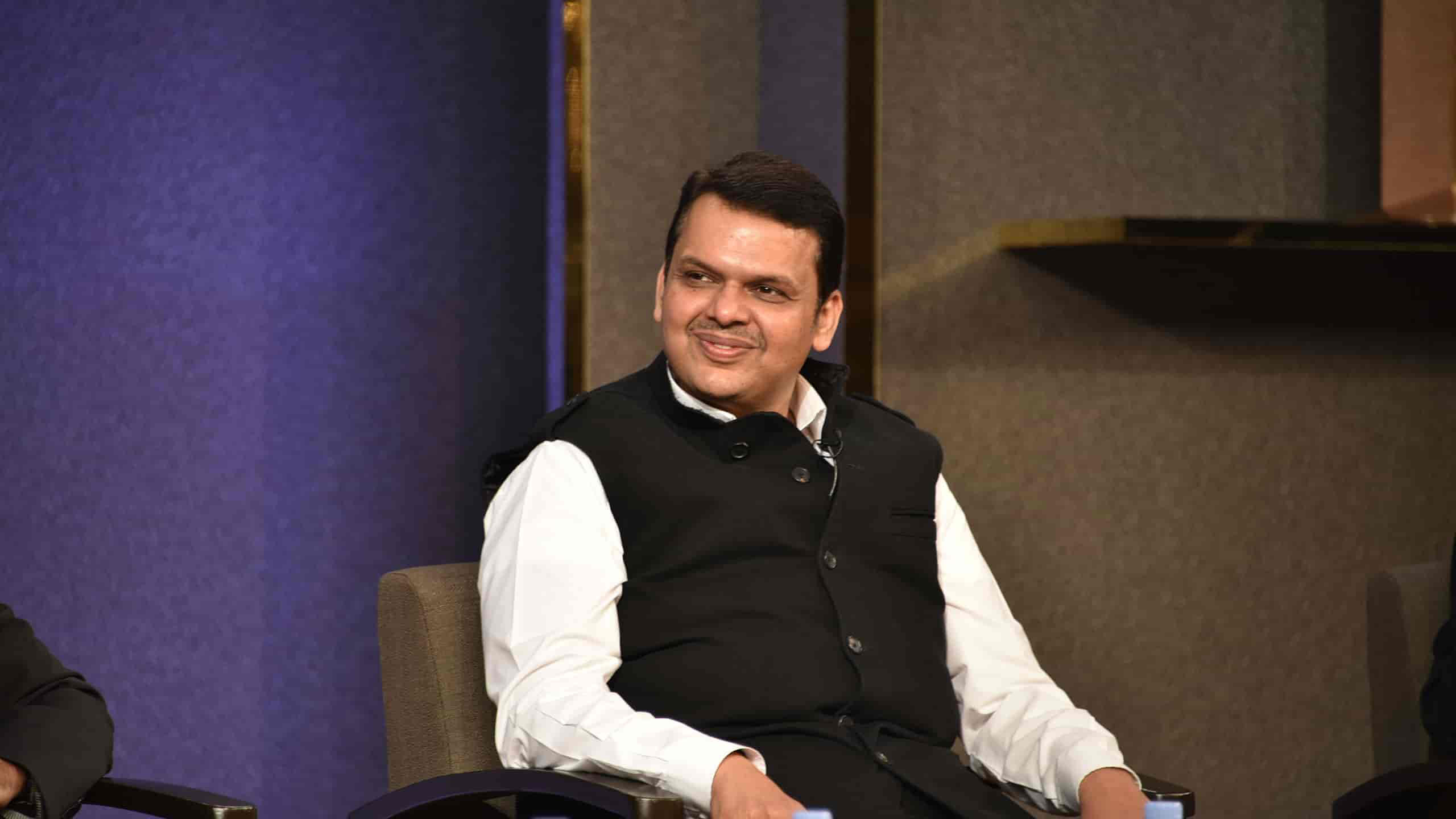
The Congress leader’s comments were met with strong criticism from political opponents, particularly from leaders associated with the ruling party in Maharashtra. One such leader, known for his assertive style and sharp debating skills, responded by challenging the Congress leader to provide evidence for his claims. He accused the opposition figure of repeatedly making unsubstantiated allegations and engaging in what he described as a pattern of irresponsible behavior.
The political rival’s response was widely covered in the media, with many commentators noting the confrontational tone of the exchange. Supporters of the ruling party echoed these criticisms, arguing that the Congress leader’s remarks were part of a broader strategy to deflect attention from electoral setbacks and to undermine confidence in democratic institutions.
The Broader Context of Political Discourse
This latest episode is part of a recurring pattern in Indian politics, where allegations of electoral malpractice and institutional bias frequently surface in the wake of closely contested elections. Such controversies often lead to heated debates in the media and on social platforms, with both sides accusing the other of acting in bad faith.
Political analysts have observed that these exchanges, while reflective of a vibrant democracy, can also risk eroding public trust in key institutions if not grounded in evidence and mutual respect. The repeated use of strong language and sweeping accusations has become a defining feature of contemporary political discourse, with implications for the health of the democratic process.
The Role of Social Media
The controversy has played out extensively on social media, where supporters and critics of both sides have amplified their messages. Hashtags related to the dispute have trended, and public opinion appears to be sharply divided. Some users have called for greater transparency and accountability, while others have criticized what they see as the irresponsible use of allegations for political gain.
The rapid spread of information—and misinformation—on social platforms has added another layer of complexity to the situation, with both sides seeking to shape the narrative in their favor.
The Impact on Public Trust
The ongoing debate has raised important questions about the state of public trust in India’s democratic institutions. While robust criticism and accountability are essential to a healthy democracy, the repeated use of unsubstantiated claims can risk undermining the credibility of the electoral process and the officials who oversee it.
Election authorities have urged all political actors to focus on facts and to refrain from making baseless accusations. They have emphasized the importance of maintaining the integrity of the electoral system and the need for all parties to act responsibly in their public statements.
The Response from Political Leaders
The Congress leader’s political rival has been particularly vocal in his criticism, using public appearances and media interviews to challenge the opposition’s narrative. He has called for evidence to support the allegations and has accused the Congress leader of engaging in a pattern of behavior that is detrimental to the country’s political health.
The political rival’s approach has been praised by his supporters, who see it as a strong defense of democratic norms. However, critics argue that the tone of the response risks further polarizing the political environment and distracting from substantive policy debates.
The Broader Implications for Indian Democracy
The latest controversy is emblematic of the challenges facing Indian democracy as it navigates a period of intense political competition and heightened public scrutiny. The stakes are high, with a series of important elections on the horizon, and the rhetoric from all sides is becoming increasingly heated.
Political observers have noted that the repeated use of allegations without evidence can weaken the foundations of democratic institutions and make it more difficult to address genuine concerns about electoral integrity. They have called for a renewed commitment to civility, evidence-based debate, and respect for the rule of law.
The Way Forward: Restoring Civility and Trust
In the wake of the latest controversy, there have been calls from across the political spectrum for greater transparency, accountability, and civility in public discourse. Election authorities have reiterated their commitment to openness and have urged all parties to engage in constructive dialogue.
Some commentators have suggested that additional measures, such as the publication of more detailed electoral data and the release of additional footage from polling stations, could help to address concerns about transparency. However, others have cautioned that such steps must be balanced against the need to protect the privacy and security of voters and election staff.
Ultimately, the responsibility lies with political leaders to set a higher standard for public debate and to refrain from using baseless allegations as a political tool. Only by doing so can India’s democratic institutions maintain their credibility and the trust of the people.
Summary
A leading Congress figure’s recent comments about the transparency of state elections have sparked a new controversy in Indian politics, with political rivals responding forcefully and the national conversation turning once again to questions of credibility and accountability. The exchange has highlighted the challenges facing India’s democratic discourse, with both sides accusing the other of acting in bad faith and undermining public trust. As the debate continues, the need for transparency, accountability, and civility in public life has never been more urgent.