 Imogen King
 A City on Edge: The Trigger for Widespread Demonstrations
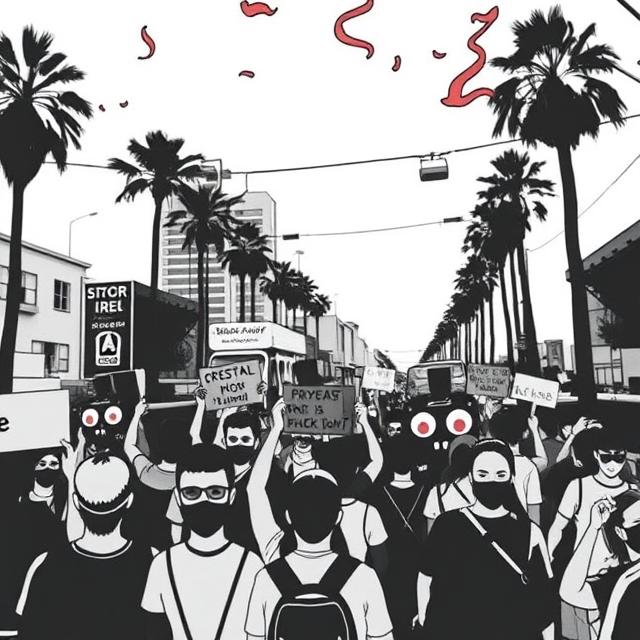
Over recent days, Los Angeles has become the epicenter of intense public demonstrations and clashes, drawing national and international attention. The catalyst for these protests was a series of large-scale immigration enforcement operations conducted by federal authorities across the city. These actions have ignited strong reactions from residents, activists, and local officials, resulting in a wave of unrest that has extended into multiple neighborhoods and led to a significant deployment of law enforcement and military personnel.
The Immediate Cause: Immigration Raids and Arrests
The current wave of protests began after federal immigration officers executed search warrants and conducted raids at multiple locations throughout Los Angeles. These operations targeted sites such as clothing warehouses in the Fashion District, Home Depot stores known as gathering spots for day laborers, and other businesses in areas with large immigrant populations. The raids resulted in the arrest of dozens of individuals on suspicion of immigration violations, with some also facing charges related to obstructing federal agents.
The manner in which these operations were carried out—marked by the presence of heavily armed officers, tactical vehicles, and the use of force to disperse crowds—created scenes of chaos and fear in affected communities. As news of the raids spread, groups of residents, activists, and concerned citizens quickly gathered to protest the actions of federal authorities.
Community Response: From Outrage to Action
The immediate response from the community was one of outrage and solidarity. Protesters assembled outside federal buildings, detention centers, and the sites of the raids, demanding the release of those detained and an end to what they described as aggressive and indiscriminate enforcement tactics. Chants of “ICE out of LA” and “Set them free, let them stay!” echoed through the streets, reflecting the deep frustration and anxiety felt by many in the city’s immigrant communities.
Demonstrators included a wide range of participants: immigrant rights advocates, labor union members, students, and families directly affected by the raids. The protests were largely peaceful at first, but tensions escalated as confrontations between protesters and law enforcement intensified. In some instances, protesters attempted to block federal vehicles from leaving the scene, while others threw objects or set fires in the streets. Law enforcement responded by deploying riot police, using tear gas, pepper spray, and flash-bang grenades to disperse the crowds.
The Escalation: Standoffs and National Guard Deployment
As the protests continued into the weekend, the situation grew increasingly volatile. In the city of Paramount, a predominantly Latino community, an hours-long standoff erupted near a Home Depot where federal agents were reportedly conducting another immigration operation. The confrontation escalated into a fiery clash, with at least one person injured and reports of flash-bang grenades being used. Protesters lit fires in the street, and the scene was described as tumultuous and chaotic.
In response to the escalating unrest and the risk of further violence, federal authorities announced the deployment of National Guard troops to Los Angeles County. Thousands of military personnel were ordered to assist local law enforcement in maintaining order and protecting federal property. This move, while intended to de-escalate the situation, was met with skepticism and criticism from local officials and community leaders, who argued that it risked further inflaming tensions and undermining trust in government institutions.
The Broader Context: Immigration Policy and Community Fear
The protests in Los Angeles cannot be understood in isolation from the broader national debate over immigration policy. In recent years, federal immigration enforcement has become a highly contentious issue, with successive administrations adopting different approaches to border security and the treatment of undocumented immigrants. The current wave of raids is seen by many as part of a broader strategy to increase deportations and crack down on illegal immigration.
For communities with large immigrant populations, these enforcement actions have created a climate of fear and uncertainty. Many residents, including those with legal status, report feeling targeted and unsafe, as rumors of raids and detentions spread rapidly through social networks. The targeting of businesses and public spaces where immigrants gather for work—such as Home Depot parking lots and garment factories—has heightened anxieties and reinforced perceptions of systemic discrimination.
Voices from the Ground: Stories of Fear and Resilience
Interviews with community members reveal a range of emotions and experiences. Many describe the raids as traumatic and destabilizing, with families fearing separation and individuals worried about losing their livelihoods. Parents express concern for their children’s safety, particularly after reports that immigration officers were seen near schools, sparking confusion and alarm among students and staff.
Activists and community leaders have been vocal in their condemnation of the raids, arguing that they disrupt families, harm local economies, and sow distrust in law enforcement. They point to the long history of immigrant contributions to Los Angeles and the nation, and call for more humane and just immigration policies. At the same time, labor unions and advocacy groups have mobilized to provide legal support, shelter, and resources to those affected by the raids.
The Role of Social Media and Information Sharing
Social media has played a critical role in both organizing the protests and disseminating information about the raids. Platforms such as Twitter, Instagram, and Facebook have been used to share real-time updates, coordinate demonstrations, and alert communities to the presence of federal agents. Hashtags related to the protests have trended nationally, amplifying the voices of activists and drawing attention to the situation in Los Angeles.
However, the rapid spread of information has also led to rumors and misinformation, further heightening anxiety and confusion. In some cases, false reports of raids at schools or other sensitive locations have prompted panic and additional protests, underscoring the challenges of managing information in a fast-moving and emotionally charged environment.
Political Reactions: Condemnation and Calls for Investigation
The protests and raids have drawn sharp reactions from local, state, and national political leaders. The mayor of Los Angeles has condemned the federal actions, describing them as an attempt to “sow terror” in the city and disrupt the lives of hardworking families. Other elected officials have called for investigations into the tactics used by federal agents, questioning the proportionality and appropriateness of the enforcement operations.
At the state level, lawmakers have demanded greater oversight and accountability for federal immigration enforcement, while also expressing solidarity with the affected communities. The deployment of National Guard troops has been met with resistance from some state officials, who argue that it represents an overreach of federal authority and risks further alienating immigrant communities.
The Human Impact: Families and Workers at Risk
The human toll of the raids and protests is significant. Dozens of individuals have been detained, many of whom are parents, workers, and long-time residents of Los Angeles. The loss of income and the threat of deportation have placed immense strain on families, with children left without caregivers and households facing economic hardship.
Community organizations have stepped in to provide support, offering legal assistance, counseling, and emergency housing to those affected. However, the scale of the operations and the ongoing uncertainty have left many feeling vulnerable and isolated. The psychological impact of living under constant threat of enforcement action cannot be overstated, with reports of increased anxiety, depression, and trauma among immigrant communities.
The Legal and Ethical Debate: Rights and Responsibilities
The protests have also reignited debates over the rights of immigrants and the responsibilities of law enforcement. Advocates argue that federal immigration enforcement should prioritize public safety and respect the dignity of all individuals, regardless of their immigration status. They point to examples of individuals with deep roots in the community being swept up in raids, despite having no criminal record.
Critics of the raids question the legality and morality of targeting workplaces and public spaces, arguing that such tactics undermine community trust and make it harder for law enforcement to carry out their duties effectively. They also highlight the economic consequences, as businesses lose workers and families lose providers, further straining local economies.
The Role of Labor and Community Organizations
Labor unions and community organizations have been at the forefront of the response to the raids. Union leaders have spoken out against the targeting of workers and the disruption of labor rights, while also organizing rallies and providing support to affected members. Community groups have mobilized to monitor enforcement actions, document abuses, and advocate for policy changes at the local and national levels.
These organizations have also played a key role in educating the public about their rights when confronted by immigration authorities, distributing “know your rights” materials and offering workshops on legal protections. Their efforts have been critical in empowering individuals and families to navigate the complex and often intimidating immigration system.
The Future: Uncertainty and the Call for Change
As the protests continue and the situation remains fluid, the future is uncertain for many in Los Angeles’s immigrant communities. The deployment of National Guard troops has raised fears of further militarization and escalation, while the ongoing threat of raids has left many feeling unsafe in their own neighborhoods.
At the same time, the protests have galvanized a broad coalition of activists, advocates, and allies, who are calling for comprehensive immigration reform and an end to aggressive enforcement tactics. The events in Los Angeles have become a flashpoint in the national debate over immigration, drawing attention to the human cost of current policies and the urgent need for change.
Summary
The recent protests in Los Angeles were sparked by a series of large-scale immigration raids conducted by federal authorities, resulting in dozens of arrests and widespread community outrage. The raids targeted businesses and public spaces with large immigrant populations, creating scenes of fear and chaos. Protesters gathered to demand the release of detainees and an end to aggressive enforcement tactics, leading to confrontations with law enforcement and the deployment of National Guard troops.
The protests reflect deep-seated anxieties within immigrant communities and have reignited debates over immigration policy, law enforcement practices, and the rights of individuals. As the situation continues to unfold, the city remains on edge, with activists and community leaders calling for justice, accountability, and a more humane approach to immigration enforcement.