 Eleanor Thompson
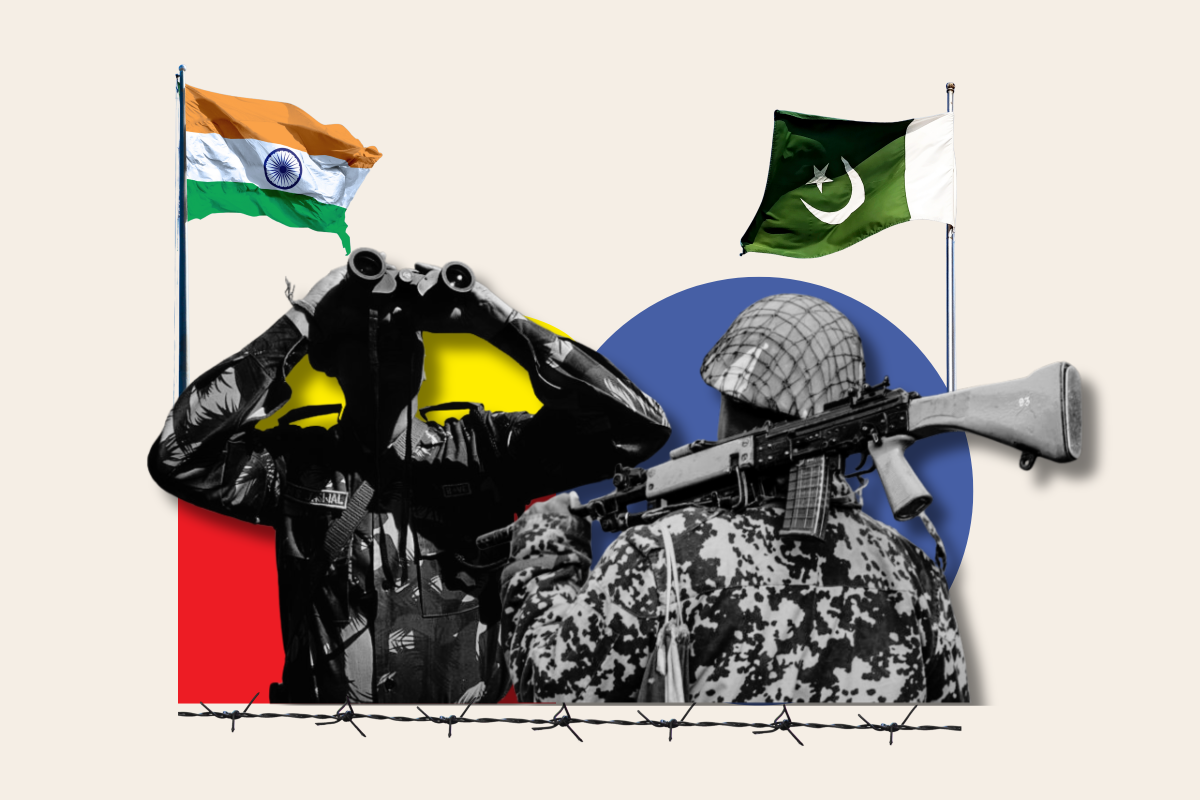
 Pakistan’s persistent denial of its role in cross-border terrorism is wearing thin on the world stage. The recent Pahalgam attack, which claimed the lives of 26 civilians, has once again exposed the reality that militant groups operating from Pakistani soil continue to threaten regional peace and security. Despite mounting evidence and international condemnation, Islamabad’s refusal to acknowledge its involvement only deepens its diplomatic isolation.
The World’s Message: No Tolerance for Terror
In the aftermath of the Pahalgam tragedy, the global community has united in its condemnation of terrorism in all forms. From Asia-Pacific partners to Western democracies, there is a clear and consistent message: no country will support or justify terrorist activities, regardless of political grievances or historic disputes. Japan, for instance, has openly backed India’s efforts to combat cross-border terrorism and called for a unified stand against state-sponsored extremism.
The United Nations Security Council (UNSC) has also made its position clear. While Pakistan has sought to use the UNSC as a platform for diplomatic grandstanding, the Council’s closed-door consultations have yielded no substantive support for Islamabad’s narrative. Instead, the focus has remained on condemning the attack and urging accountability for those who planned, supported, and executed the violence. The days when the UNSC could be swayed by rhetoric or procedural manoeuvres are over; the Council now demands real action against terror, not excuses.
International Isolation Grows
Pakistan’s strategy of denial and deflection is backfiring. Repeated attempts to convene the UNSC or seek international investigations have only highlighted Islamabad’s unwillingness to take responsibility for terror groups that find safe haven within its borders. Western analysts, regional experts, and even some of Pakistan’s traditional allies are increasingly frustrated by its refusal to act decisively against these organisations.
India’s diplomatic outreach has further isolated Pakistan. By suspending the Indus Waters Treaty and closing major border crossings, New Delhi has sent a strong message: there will be real consequences for continued support of terrorism. Other countries have echoed India’s call for zero tolerance, making it clear that the world will not accept any justification for attacks on civilians.
UNSC: No Backing for Terror
The Security Council’s recent discussions have not produced the outcome Pakistan hoped for. While the Council has expressed concern over rising tensions and called for restraint, there has been no endorsement of Pakistan’s claims or its attempts to shift blame. Instead, the UNSC has reaffirmed its principled stance: terrorism is unacceptable, and those responsible must be brought to justice.
UN Secretary-General António Guterres and Security Council members have consistently condemned the Pahalgam attack and called for accountability. The focus remains on preventing further violence and ensuring that perpetrators, backers, and planners of terror are held to account. There is no appetite in the Council to legitimise or excuse cross-border terrorism under any guise.
Time for Honesty and Reform
Pakistan stands at a crossroads. Continued denial and diplomatic theatrics will only deepen its isolation. The international community is united in its stance that terrorism cannot be used as an instrument of state policy. If Pakistan seeks respect and partnership on the world stage, it must take credible, irreversible steps to dismantle terror networks and prevent its territory from being used for attacks on its neighbours.
The message from the world is clear: admit the problem, act decisively, and join the global fight against terrorism. Only then can Pakistan hope to regain trust and play a constructive role in promoting peace and stability in the region.
Summary
The era of ambiguity and denial is over. No country, including those in the United Nations Security Council, will support or shield Pakistan’s cross-border terrorism. The global community demands accountability, transparency, and genuine action-not rhetoric. For Pakistan, the path forward requires honesty, reform, and a clear break from the policies of the past.