 Imogen King
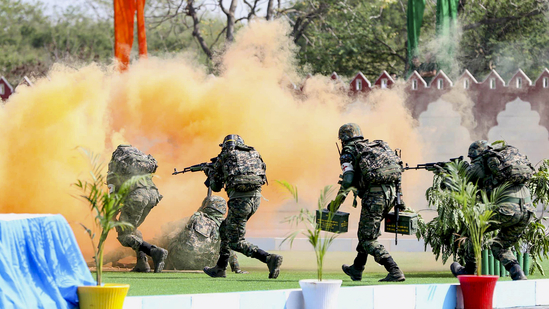
 India will conduct a large-scale civil defence mock drill across 244 districts on Wednesday, May 7, 2025, as part of a renewed push to strengthen emergency preparedness. The exercise is designed to test how civilians and government systems respond to scenarios such as war, missile attacks, or aerial strikes, and comes amid heightened security concerns following the recent Pahalgam terror attack.
Why This Drill Is Being Conducted
The Ministry of Home Affairs has ordered the drill in response to new and complex threats in the current geopolitical climate. The move follows a series of high-level security meetings after the Pahalgam attack in Jammu and Kashmir, which killed 26 people and sharply escalated tensions with Pakistan. The government aims to ensure that both authorities and the public are ready to act swiftly and effectively in the event of a hostile attack.
What Will Happen During the Drill
On May 7, people in selected cities and districts may experience:
- Air Raid Sirens: Sirens will sound to test public alert systems, giving people time to practice seeking shelter from potential aerial threats.
- Blackouts: Cities will turn off visible lights to simulate blackout conditions, a tactic used to avoid detection during night-time airstrikes. This method was last widely implemented during the 1971 war.
- Evacuation Exercises: Authorities will rehearse moving people from high-risk zones to safer areas, testing evacuation plans and identifying logistical challenges.
- Camouflage Operations: Critical infrastructure such as power plants, communication towers, and military installations will undergo mock camouflaging to test concealment from aerial or satellite surveillance.
- Traffic Diversions and Restricted Access: Some roads may be temporarily closed, and access to certain public spaces could be restricted during the exercise.
- Workshops and Awareness Sessions: Schools, colleges, offices, and community centres will hold sessions on how to find shelter, administer basic first aid, and remain calm during emergencies.
Who Will Participate
The drill will involve a wide range of participants, including:
- Civil Defence wardens
- Home Guards
- National Cadet Corps (NCC)
- National Service Scheme (NSS) volunteers
- Nehru Yuva Kendra Sangathan (NYKS) members
- Students from schools and colleges
District authorities, police, and paramilitary forces will coordinate the exercise, ensuring both civilian and official readiness.
What Citizens Should Know
- Temporary Disruptions: Expect short-term power cuts, blackout simulations, loud sirens, and possible mobile signal suspensions. These are part of the exercise and not actual emergencies.
- No Cause for Panic: The government stresses that this is a preparedness exercise, not a sign of imminent danger. The goal is to reduce panic, avoid confusion, and save lives by increasing awareness and readiness.
- After the Drill: Each participating state and union territory will submit a report documenting the event, noting any response gaps and recommendations for improvement.
Background and Context
Civil defence drills of this scale were common during the Cold War and last widely used in India during the 1971 conflict. With renewed security risks and rising tensions along the border, these exercises are being revived as part of India’s long-term strategy to boost national preparedness.
In the days leading up to the nationwide drill, some high-alert areas-such as Ferozepur Cantonment near the India-Pakistan border-have already conducted blackout rehearsals, serving as previews for the larger exercise.
Summary
India’s nationwide civil defence mock drill on May 7 is a major step to ensure both authorities and civilians are prepared for emergencies, including war or aerial attacks. By simulating real-life scenarios-air raid sirens, blackouts, evacuations, and emergency response-the country aims to build resilience, reduce panic, and save lives in times of crisis. Citizens are encouraged to participate calmly, follow instructions, and treat the exercise as an opportunity to learn and be ready for any eventuality.