 Eleanor Thompson
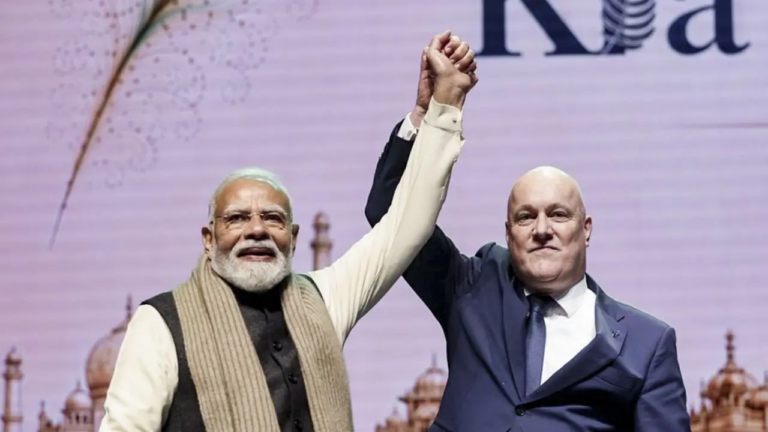
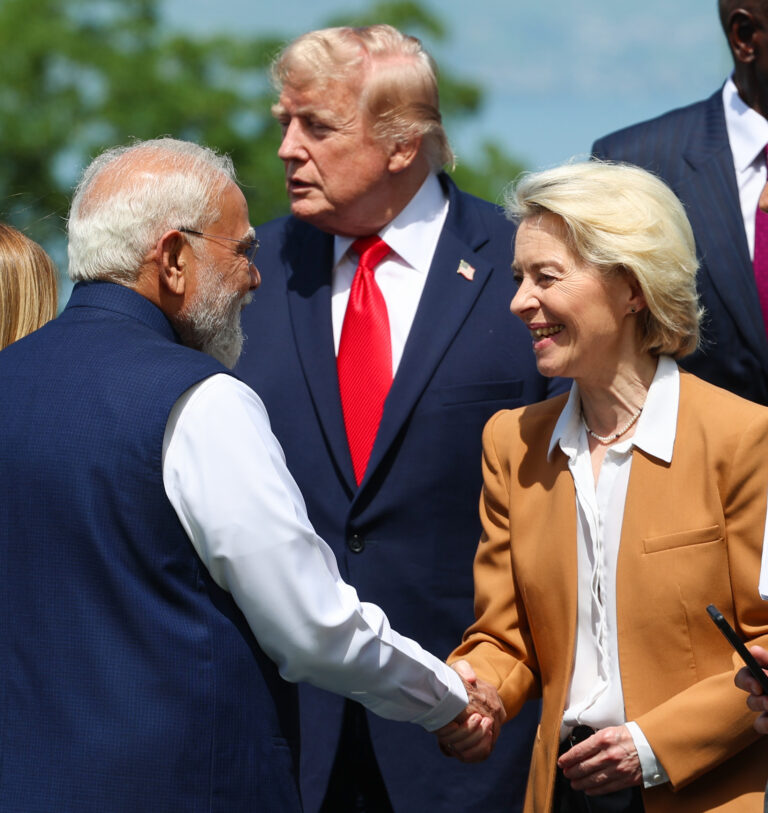
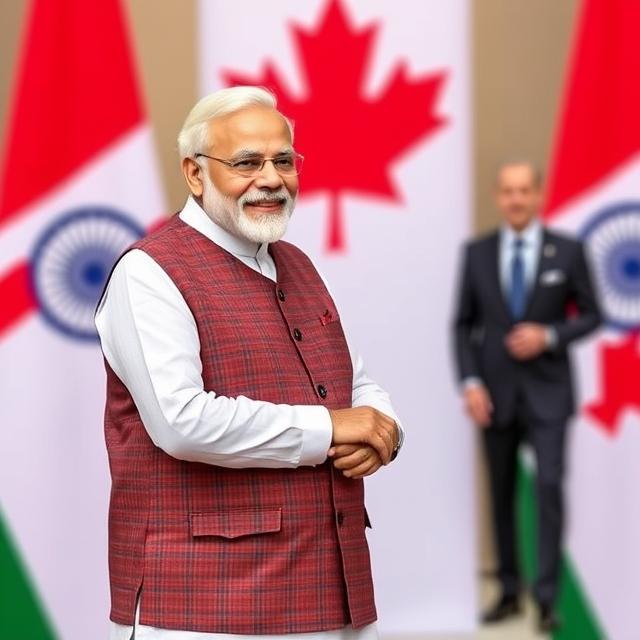
 In a significant diplomatic development, Indian Prime Minister Narendra Modi has accepted an invitation from Canadian Prime Minister Mark Carney to attend the 2025 G7 Leaders’ Summit in Kananaskis, Alberta, from June 15 to 17. The invitation, extended during a phone call between the two leaders, marks a potential turning point in India-Canada relations, which have been strained in recent years. Modi’s participation also underscores India’s growing global stature and the importance of its voice on the world stage, especially as the G7 tackles pressing issues from economic resilience to digital security and climate change.
This article provides a comprehensive account of the invitation, the context of India-Canada relations, the significance of the G7 summit, the likely agenda, and what this means for India, Canada, and the broader international community.
The Invitation: How It Unfolded
The Official Announcement
On June 6, 2025, Prime Minister Modi announced on social media that he had received a call from Canadian Prime Minister Mark Carney, congratulating Carney on his recent election victory and thanking him for the invitation to the G7 Summit in Kananaskis. Modi expressed anticipation for their meeting and highlighted the shared democratic values and deep people-to-people ties between India and Canada.
The Canadian Prime Minister’s Office confirmed the invitation in an official readout, stating that both leaders discussed the longstanding relationship between their countries, significant commercial links, and agreed to continue law enforcement dialogue and discussions on security concerns. The call was initiated by the Canadian side, signalling a clear intent to reset relations after a period of diplomatic chill.
Diplomatic Significance
The invitation was closely watched by diplomatic circles, given the recent history of tensions between India and Canada. The outreach from Ottawa, just over a week before the summit, was interpreted as a positive gesture and an effort to bring India back into the fold of constructive engagement at a time when global challenges require broad cooperation.
India-Canada Relations: From Crisis to Thaw
The Diplomatic Rift
Relations between India and Canada reached a nadir in 2023 after then-Prime Minister Justin Trudeau publicly alleged a potential Indian government link to the killing of Sikh separatist Hardeep Singh Nijjar in Surrey, British Columbia. India rejected the allegations as “absurd” and “motivated,” and both countries expelled diplomats, leading to a significant downgrade in diplomatic engagement.
The fallout affected trade, investment, and people-to-people ties, with both sides hardening their positions. India accused Canada of harbouring pro-Khalistani elements, while Canada pressed for investigations into foreign interference.
The Path to Reconciliation
The election of Mark Carney as Canada’s Prime Minister in April 2025 opened the door for a possible reset. Carney, while from the same Liberal Party as Trudeau, has emphasised the importance of the India-Canada relationship and the need for “mutual respect.” In recent months, security officials from both countries resumed contact, and discussions began on appointing new high commissioners.
The G7 invitation is widely seen as a signal of Ottawa’s willingness to move forward, and Modi’s acceptance is a reciprocal gesture aimed at restoring normalcy and exploring new avenues of cooperation.
India and the G7: A Growing Partnership
India’s Role at the G7
India is not a member of the G7, which comprises Canada, France, Germany, Italy, Japan, the United Kingdom, and the United States, along with the European Union. However, India has been a regular invitee to G7 summits since 2019, reflecting its rising global profile and its role as a voice for the Global South.
Modi’s participation in the past five G7 summits—four in person and one virtually—has allowed India to articulate its stance on key global issues such as climate change, technological innovation, economic resilience, and inclusive growth. India’s presence at the G7 has also provided a platform to advocate for the interests of developing countries and to promote a more equitable global governance framework.
The 2025 Summit: Canada’s Presidency
This year’s summit, hosted by Canada, marks the 50th anniversary of the G7. Canada’s presidency comes at a time of heightened geopolitical tensions, economic uncertainty, and rapid technological change. The summit will focus on a range of issues, including international peace and security, global economic stability, digital transition, and climate action.
Prime Minister Carney has positioned digital resilience and artificial intelligence as key themes, with the creation of a new Ministry of Artificial Intelligence and Digital Innovation in Canada. The summit is also expected to address the ongoing conflict in Ukraine, North Korea’s cyber threats, and the need for strengthened global supply chains.
The G7 Summit: What to Expect
Venue and Security
The summit will be held at Kananaskis Village in Alberta, a secluded mountain resort that previously hosted the G8 summit in 2002. The location has been chosen for its security and privacy, with extensive measures in place to ensure the safety of world leaders. Road closures, checkpoints, and restricted access to popular trails are part of the security plan, with local authorities coordinating closely with federal agencies.
Participants
Alongside the core G7 members and the European Union, this year’s summit will see invitations extended to several non-member countries, including India, Australia, Brazil, Mexico, South Africa, and Ukraine. The presence of leaders from these countries underscores the G7’s recognition that global challenges require a broader coalition of partners.
For India, the summit offers an opportunity to engage not only with the G7 but also with other key global players on the sidelines.
The Agenda
The official agenda, shaped by Canada’s presidency, will cover:
- International Peace and Security: Addressing the conflicts in Ukraine and the Middle East, countering hybrid warfare, and supporting stability in regions like Haiti and Venezuela.
- Global Economic Stability and Growth: Responding to inflation, supply chain disruptions, and the risk of recession, while promoting inclusive economic recovery.
- Digital Transition and Resilience: Building a coherent framework for digital policy, strengthening cybersecurity, and harnessing artificial intelligence for economic and social good.
- Climate Change and Sustainability: Accelerating the transition to clean energy, supporting adaptation and resilience, and mobilising finance for climate action.
- Global Health and Pandemic Preparedness: Strengthening health systems and ensuring equitable access to vaccines and treatments.
India’s participation in outreach sessions will allow Modi to contribute to these discussions and to highlight India’s perspectives and priorities.
India’s Priorities at the Summit
Advocating for the Global South
India has consistently used the G7 platform to represent the interests of developing countries, particularly in Africa and Asia. Modi is expected to call for greater support for the Global South in areas such as climate finance, technology transfer, and debt relief.
Economic Resilience and Supply Chains
With its expanding industrial base and large workforce, India is a key player in efforts to diversify global supply chains and reduce dependence on any single country. Modi is likely to emphasise India’s role as a reliable partner in global manufacturing and trade, and to seek new investment and technology partnerships.
Digital Transformation
As Canada champions digital resilience, India will showcase its achievements in digital public infrastructure, fintech, and e-governance. Modi may propose collaborations on cybersecurity, artificial intelligence, and digital inclusion, building on India’s experience with the Digital India initiative.
Climate Action
India’s approach to climate change balances economic growth with environmental responsibility. Modi is expected to reiterate India’s commitment to renewable energy, energy efficiency, and sustainable development, while urging developed countries to fulfil their climate finance pledges.
Geopolitical Stability
India’s stance on the Ukraine conflict and other security challenges will be closely watched. While India has maintained a nuanced position, calling for dialogue and respect for sovereignty, Modi will have the opportunity to engage with other leaders on ways to promote peace and stability.
The India-Canada Reset: Opportunities and Challenges
Trade and Investment
The G7 summit provides a platform for India and Canada to revive stalled trade talks and explore new areas of economic cooperation. Both countries have significant commercial links, with opportunities in sectors such as technology, clean energy, agriculture, and education.
The Business Council of Canada has welcomed Modi’s invitation, highlighting the potential for expanded trade and investment ties.
Security and Law Enforcement
The leaders’ phone call included agreement on continued law enforcement dialogue and discussions addressing security concerns. This is a sensitive area, given the legacy of the Nijjar case and ongoing investigations. Both sides are likely to proceed cautiously, focusing on areas of mutual interest such as counterterrorism, cybercrime, and organised crime.
People-to-People Ties
With a large Indian diaspora in Canada, people-to-people connections remain a foundation of the bilateral relationship. The summit offers an opportunity to reaffirm these ties and to address concerns affecting Indian students and professionals in Canada.
Global Implications: India’s Expanding Role
A Voice for the Developing World
India’s repeated invitations to the G7 reflect its growing influence as a bridge between developed and developing countries. Modi’s participation signals that the G7 values India’s input on global governance, economic resilience, and sustainable development.
Strategic Partnerships
India’s engagement with the G7 complements its partnerships with other major powers, including the United States, the European Union, Japan, and Australia. The summit allows India to coordinate on issues ranging from Indo-Pacific security to technological innovation.
Balancing Act
India’s independent foreign policy, especially on contentious issues like the Ukraine conflict, positions it as a key interlocutor capable of engaging with multiple sides. Modi’s presence at the G7 will be closely watched for signals on India’s approach to global crises.
The Road to Kananaskis: Preparations and Expectations
Diplomatic Engagements
In the lead-up to the summit, Indian and Canadian officials are working to ensure a productive meeting between Modi and Carney. Both sides are expected to announce new initiatives or agreements, particularly in trade and technology.
Domestic Reactions
In India, Modi’s invitation has been welcomed as a recognition of the country’s global standing. In Canada, Carney’s outreach is seen as a pragmatic step to rebuild a vital relationship, despite lingering concerns over past controversies.
Security and Logistics
With Kananaskis Village transformed into a fortress for the summit, security preparations are in full swing. Local residents and businesses have been briefed on access restrictions, and authorities are coordinating to manage protests and demonstrations.
The G7 in Context: History and Evolution
The G7’s Role
The G7 has evolved from a forum for economic coordination among the world’s richest democracies to a platform for addressing a wide range of global challenges. Its informal nature allows for frank discussions and rapid responses to emerging crises.
Canada’s Leadership
As host, Canada has the opportunity to shape the summit’s agenda and to demonstrate leadership on issues such as digital resilience, climate action, and inclusive growth. The choice of Kananaskis as the venue reflects a desire for security and focus, away from the distractions of major urban centres.
Outreach to Non-Members
By inviting countries like India, Australia, Brazil, Mexico, South Africa, and Ukraine, the G7 acknowledges that its decisions have global ramifications and that broader participation is essential for legitimacy and effectiveness.
Looking Ahead: What to Watch For
Modi-Carney Meeting
The bilateral meeting between Modi and Carney will be closely watched for signs of progress on trade, security, and people-to-people ties. Any announcements on new agreements or initiatives will set the tone for the next phase of India-Canada relations.
India’s Interventions
Modi’s speeches and interventions at the summit will provide insights into India’s priorities and its vision for global governance. Observers will look for proposals on climate finance, digital collaboration, and supply chain resilience.
G7 Outcomes
The final communique and any joint statements will indicate the extent to which India’s perspectives have influenced the G7’s approach to key issues. The effectiveness of the summit will be measured by its ability to produce concrete outcomes on global challenges.
Summary
Prime Minister Narendra Modi’s invitation to the 2025 G7 Leaders’ Summit in Canada is a milestone in India’s diplomatic journey and a potential turning point in India-Canada relations. The summit, set against the backdrop of global uncertainty and technological transformation, offers a platform for India to shape the international agenda, advocate for the Global South, and strengthen strategic partnerships.
For Canada, the invitation is a pragmatic step towards rebuilding trust and expanding cooperation with one of the world’s fastest-growing economies. As leaders gather in Kananaskis, the world will be watching to see how India’s participation influences the G7’s deliberations and the future of global governance.