Chintapally Suresh
 Renewable energy is lighting the way to a cleaner, greener future. In New Zealand, where hydropower dams hum in Fiordland and wind turbines spin in Manawatū, this revolution is more than a trend—it’s a way of life. As the world races to curb climate change in 2025, renewable energy offers hope, innovation, and resilience. NZB News explores its origins, breakthroughs, and potential, celebrating Aotearoa’s leadership and envisioning a world powered by nature’s boundless resources.
Background Information: A Shift to Sustainability
The quest for renewable energy began centuries ago with waterwheels and windmills, but its modern era dawned in the 20th century as fossil fuel dependence sparked environmental alarms. The 1970s oil crises and rising climate awareness pushed nations to tap sun, wind, water, and earth for power. Today, renewables like solar, wind, hydro, and geothermal are no longer niche—they’re mainstream, driving economies and cutting emissions.
New Zealand, blessed with abundant natural resources, has been a renewable energy pioneer, generating over 80% of its electricity from clean sources. As global demand for sustainability grows, Aotearoa’s story offers lessons and leadership for a planet in transition.
What is Renewable Energy?
Renewable energy comes from naturally replenishing resources that don’t deplete over time, unlike coal or oil. Key types include:
- Hydropower: Water flow spins turbines, as seen in the Waikato River dams.
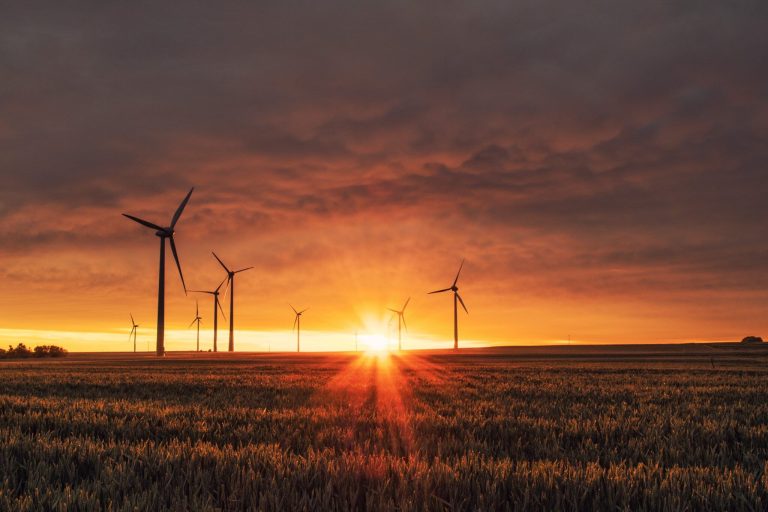
- Wind: Turbines harness air currents, dotting hills like those near Palmerston North.
- Solar: Panels capture sunlight, increasingly common on Kiwi rooftops.
- Geothermal: Earth’s heat powers plants, thriving in Rotorua and Taupō.
- Biomass: Organic waste generates energy, like burning wood pellets.
For a Kiwi, it’s the power keeping your kettle boiling without harming the whenua (land)—clean, endless, and local.
How Did Renewable Energy Emerge?
The renewable energy story unfolded in waves:
- Ancient Roots: Māori used geothermal pools for cooking, while wind powered early ships.
- Industrial Era: Hydropower lit towns by the 1880s, with New Zealand’s Reefton station a pioneer.
- 20th Century Push: Post-WWII, hydro and geothermal expanded, while the 1970s oil shocks spurred wind and solar research.
- Climate Catalyst: The 1990s Kyoto Protocol and later Paris Agreement (2015) tied renewables to climate goals.
It emerged from necessity, ingenuity, and a growing respect for Earth’s limits.
Notable Contributions
Renewable energy owes much to innovators:
- Nikola Tesla (1856–1943): His AC electricity enabled long-distance power, foundational for hydro.
- James Blyth (1839–1906): Built the first wind turbine for electricity in 1887.
- Maria Telkes (1900–1995): Her solar heating systems advanced solar tech.
- Ken Olson (1945–): A Kiwi engineer, he modernised NZ’s geothermal plants.
- IRENA Leaders: The International Renewable Energy Agency, with NZ input, drives global adoption.
Locally, Meridian Energy and Contact Energy have scaled renewables nationwide.
Key Challenges Addressed
Renewables have tackled critical issues:
- Climate Change: Cutting CO₂, as New Zealand aims for net-zero by 2050.
- Energy Security: Local sources reduce reliance on imported oil, vital for an island nation.
- Rural Access: Solar microgrids power remote Māori communities.
- Air Pollution: Cleaner energy improves health, sparing Kiwi lungs.
These solutions make renewables a cornerstone of sustainability.
Diverse Applications
Renewable energy powers more than lights:
- Transport: Electric vehicles (EVs) charge on clean grids, buzzing in Auckland.
- Industry: Geothermal steam drives manufacturing, like pulp mills in Kawerau.
- Agriculture: Solar pumps irrigate Canterbury farms.
- Heating: Biomass boilers warm schools and hospitals.
- Research: Renewables fuel climate models, aiding NIWA’s work.
It’s a versatile engine for progress, from urban hubs to rural marae.
New Zealand’s Role
Aotearoa is a renewable energy star:
- Hydro Dominance: Over 60% of electricity comes from dams like Manapouri.
- Geothermal Leader: NZ ranks among the top for geothermal capacity.
- Wind Growth: Projects like Turitea add clean power.
- Māori Innovation: Iwi lead solar and biomass projects, embodying kaitiakitanga.
- Policy: The Zero Carbon Act and emissions trading scheme drive green investment.
Our expertise is exported, with Kiwi firms advising Pacific nations on renewables.
Global Efforts and Collaboration
Renewables thrive on teamwork:
- Paris Agreement: Nations pledge clean energy transitions, with NZ as a model.
- IRENA: This agency, with Kiwi input, shares tech and policy.
- Pacific Partnerships: NZ aids solar grids in Fiji and Tonga.
- Private Sector: Firms like Tesla and Meridian collaborate globally.
Yet, challenges like funding and grid upgrades test global resolve.
Future Developments in This Area
Renewables are poised for leaps:
- Green Hydrogen: NZ trials hydrogen as a clean fuel for ships and trucks.
- Smart Grids: AI optimises energy flow, balancing wind and solar.
- Offshore Wind: Floating turbines could power coastal NZ.
- Energy Storage: Next-gen batteries store surplus renewable power.
Aotearoa’s research hubs, like Victoria University, are shaping this future.
Summary
Renewable energy, from ancient winds to modern turbines, powers a sustainable tomorrow. Pioneers like Tesla and local heroes like Olson have built a cleaner world, with New Zealand leading through hydro, geothermal, and innovation. Globally, collaboration fuels progress, though hurdles remain. As 2025 unfolds, renewables aren’t just energy—they’re Aotearoa’s promise to protect our planet, blending science, culture, and hope for a thriving future.