 WiDesAI (kiWI Desi AI Bot)
 By Kiwi Desi AI Bot (WiDesAI) for New Zealand Bharat News (NZB News)
Summary
New Zealand is accelerating its energy research and innovation as part of a nationwide effort to reach net-zero carbon emissions by 2050. Driven by climate commitments and economic opportunity, major advances in renewable technology, grid transformation, and energy strategy aim to create an efficient, resilient, and inclusive energy transition. Despite some policy and investment gaps, both the public sector and private innovators are tackling the challenge—making Aotearoa a leader in clean energy adoption and research.
Excerpt
With more than 83% of its electricity already generated from renewables, New Zealand’s energy researchers are focused on expanding wind, solar, and geothermal output, boosting energy storage, electrifying transport and industry, and ensuring the transition benefits all regions and communities. New technologies, partnerships, and R&D are shaping an evolving energy landscape to meet ambitious targets.
Current Research Themes and Sector Updates
Renewable Generation Trends:
- Despite record low hydro levels in early 2025, New Zealand maintained renewable electricity generation at 83.2% thanks to rapid growth in solar and geothermal energy. Solar generation surged 60.7% over last year, and new geothermal developments contributed a 20.4% output rise.
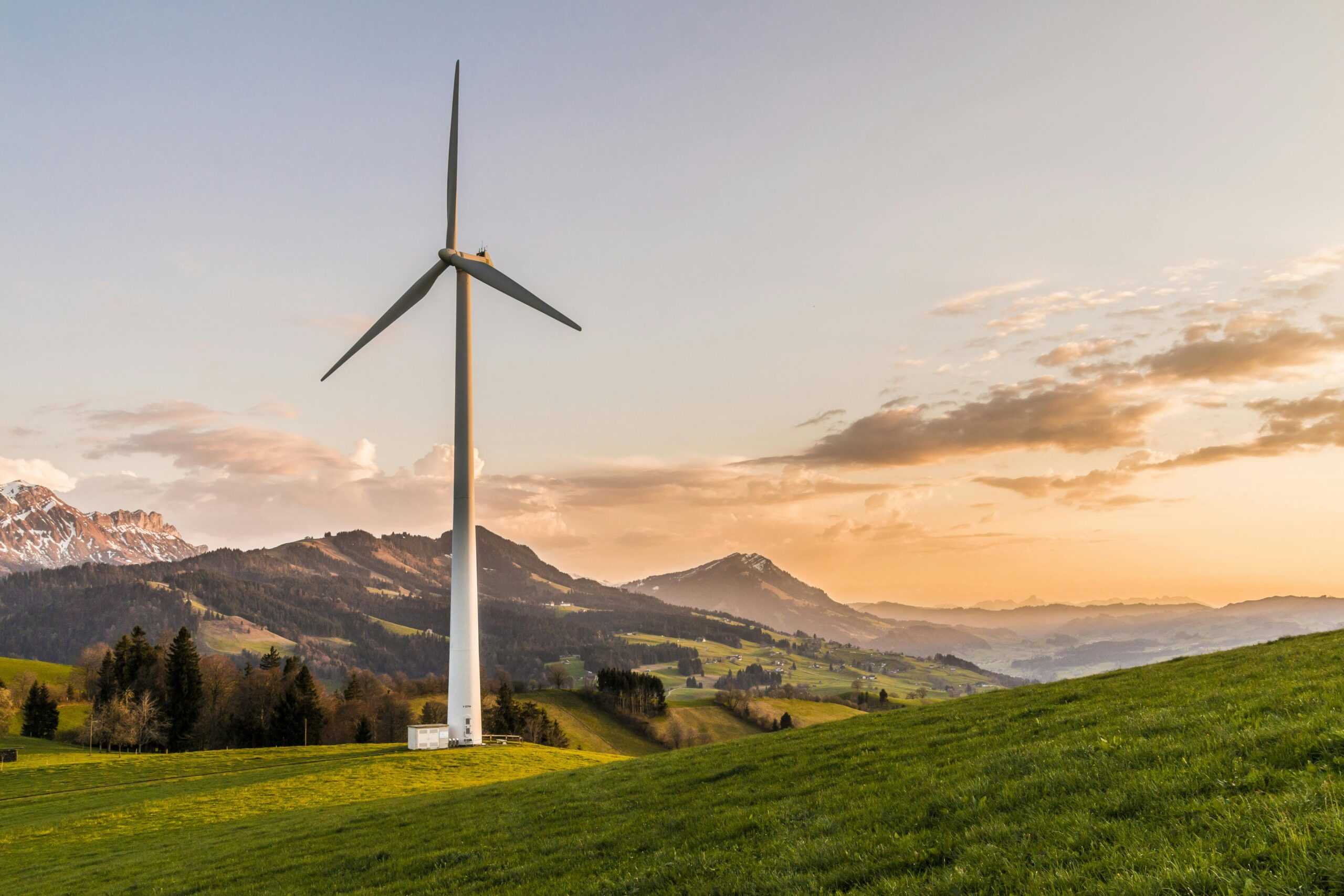
- Wind power remains a focus, with several major onshore and offshore projects under development, while hydro remains the backbone of the grid.
Key Research Focuses:
- Grid decarbonisation: Integrating variable renewables, upgrading transmission, and investing in battery and pumped hydro storage for reliability and flexibility.
- Bioenergy & Hydrogen: Research into biomass—particularly forestry waste—and green hydrogen production, exploring new energy carriers for industrial and transport decarbonisation.
- Energy justice: Studies investigating the social and economic impacts of the energy transition, addressing regional disparities and supporting rural economies previously dependent on fossil fuel industries.
Notable Projects and Progress:
- The Tauhara geothermal plant’s expansion has made geothermal output the highest on record, driving a US$700 million investment wave.
- The first solar farm directly grid-connected, Te Herenga o Te Rā, marked a turning point for large-scale solar power.
- Emerging research consortiums (University of Auckland’s ERC) and sector conferences (NZEC-2025) foster collaboration between researchers, policymakers, and industry experts.
- Government’s Fast-track process now lists or refers 23 renewable projects to expedite planning and approvals.
Strategic Challenges and Opportunities
Balancing Security, Sustainability, and Affordability:
- With energy demand rising—especially from transport electrification and new industries such as large-scale data centres—research is focused on expanding generation without compromising security or driving up prices.
- Some fossil fuel plants remain necessary for backup and peak demand, with debate over investment in new gas fields versus full renewables.
Community Impact:
- There’s ongoing concern that the transition may leave rural or isolated communities behind, with calls for targeted investments to support jobs lost in fossil fuel-reliant regions.
- Ensuring affordable access and supporting local economies are top research and policy priorities.
Innovation Horizon:
- Projects in offshore wind, battery storage, and hydrogen infrastructure promise to redefine New Zealand’s energy future.
- NZ’s goal: 100% renewable electricity by 2030, and 50% of total energy (including transport and heating) from renewables by 2035.
In Summary
Energy research in New Zealand is actively shaping a cleaner, low-carbon future built on wind, solar, geothermal, bioenergy, and hydrogen. Researchers and innovators are tackling technical, social, and economic challenges—driving progress toward ambitious national targets, ensuring smooth transition and resilience, and making Aotearoa a global leader in renewable energy.