

 Vinay Karanam
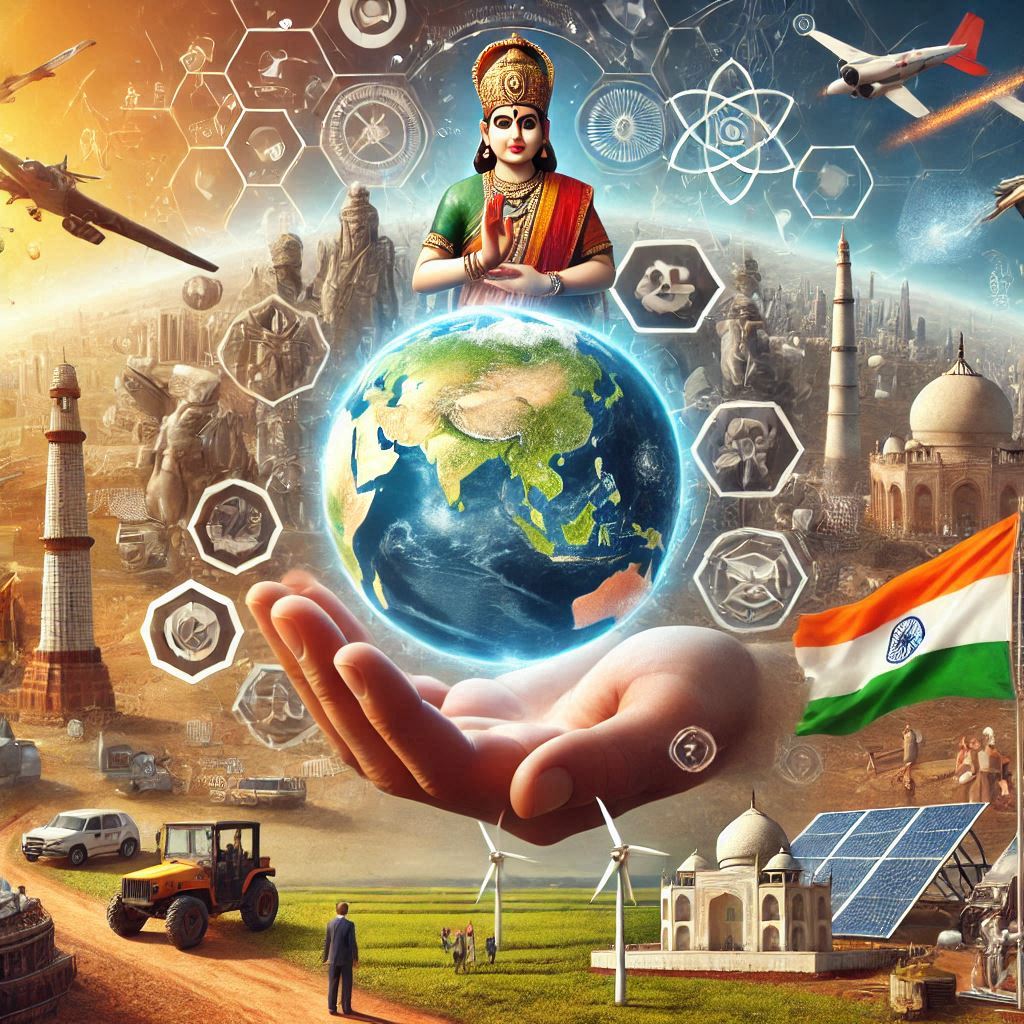
 Recent commentary on India’s economic and geopolitical trajectory, such as the December 10 article by Chris Ogden in The Conversation, has unfortunately leaned on reductive comparisons and incomplete assessments, particularly when juxtaposing India with China or critiquing its domestic policies and international engagements. A holistic and fact-based analysis paints a very different picture—one of India as a beacon of growth, innovation, and humanitarian leadership. Let us address these biases, challenge ulterior motives, and illuminate India’s true contributions.
Humanitarian Leadership: A Track Record of Generosity
India’s role as a humanitarian leader is unmatched in scale and scope. Consider the following:
- Disaster Relief and Support: India has consistently stepped up during global crises:
- Operation Kaveri in Sudan (2023): India successfully evacuated thousands of citizens and foreign nationals from conflict zones, showcasing its logistical and diplomatic acumen.
- Support to Afghanistan: Amidst political turmoil, India provided over 50,000 metric tons of wheat and critical medical supplies, reaffirming its humanitarian commitments.
- Operation Karuna in Myanmar: India extended significant relief following natural disasters, underlining its commitment to regional stability.
- India-Africa Forum Summit: A pledge of $12.25 billion underscores India’s long-term partnership with Africa, focusing on capacity building and sustainable development.
- United Nations (2000-2024): India has been a leading contributor to UN humanitarian efforts, including the largest troop contributions to peacekeeping missions, extensive financial aid, and logistical support for global crises. From disaster relief to developmental aid, India’s proactive involvement underscores its commitment to global stability and human welfare.
- Sri Lanka (2023 Economic Crisis): India’s multi-billion dollar aid package, coupled with naval and air support, provided critical relief and helped stabilise the nation’s economy during its darkest hours.
- Turkey (2023 Earthquake): Operation Dost exemplified India’s rapid response, with teams of the National Disaster Response Force (NDRF) and extensive medical aid deployed within hours.
- Vaccine Maitri: India’s unprecedented Vaccine Maitri initiative successfully shipped approximately 162.9 million vaccine doses to 96 different countries, donating millions to over 90 of them. These efforts illustrated India’s dedication to promoting health and well-being beyond its borders.
- South-South Cooperation: India’s developmental partnerships extend to Africa, Southeast Asia, and Latin America, encompassing capacity building, technology transfer, and infrastructure development.
Sustainable Energy and Climate Leadership
Contrary to portrayals of environmental degradation, India has emerged as a leader in sustainable energy:
- Renewable Energy Goals: India is on track to achieve its ambitious target of 500 GW of non-fossil fuel capacity by 2030. It ranks fourth globally in installed wind and solar energy capacity.
- International Solar Alliance: India spearheaded this coalition of over 100 countries to promote solar energy, aiming for global energy security and sustainability.
- EV Revolution: With a burgeoning electric vehicle industry and policies promoting green technology, India is setting benchmarks for sustainable urban mobility.
Innovation, Science, and Technology
India’s scientific achievements and innovation ecosystem are shaping the 21st century:
- Space Exploration:
- The Chandrayaan-3 mission made India the first country to land near the Moon’s south pole.
- The Mars Orbiter Mission (Mangalyaan) demonstrated cost-effective space exploration, earning global acclaim.
- Research and Development:
- India ranks third globally in terms of scientific publications, reflecting its robust academic ecosystem.
- Indian institutions lead in patents, particularly in pharmaceuticals, biotechnology, and information technology.
- Startup Ecosystem:
- With over 100 unicorns, India’s startup ecosystem is the third largest in the world. Companies like BYJU’S, Flipkart, and Zomato exemplify India’s entrepreneurial spirit.
Cultural and Sporting Excellence
India’s influence extends beyond economics and geopolitics to cultural and sporting arenas:
- Arts and Film: Bollywood and regional cinema captivate global audiences, while India’s rich heritage in classical dance, music, and literature continues to inspire.
- Sports: India excels in cricket, badminton, wrestling, and athletics, with recent Olympic and Paralympic successes highlighting its growing prowess.
Addressing Mischaracterizations
- Democracy vs. Authoritarianism: Equating India’s democratic governance with China’s authoritarian system is inherently misleading. India’s government operates under the world’s largest democracy, characterized by regular elections, a free press, an independent judiciary, and civil liberties, which are absent in China’s one-party regime.
- Economic Growth with Accountability: India’s economic growth, averaging 6.46% annually from 1990 to 2023, has been achieved within a democratic framework, ensuring accountability, transparency, and inclusivity—unlike China’s state-controlled economic model.
- Environmental Leadership: India has made significant strides in renewable energy, spearheading initiatives like the International Solar Alliance. While environmental challenges persist, India is among the few countries on track to meet its Paris Agreement commitments.
- Ethnic and Religious Harmony: Portrayals of India repressing minorities oversimplify complex issues. India’s secular constitution protects diverse communities, and its judiciary and civil society act as checks against injustices. Isolated incidents should not overshadow the country’s broader commitment to pluralism.
- Humanitarian and Global Contributions: India’s leadership extends beyond borders, evident in initiatives like Vaccine Maitri, UN peacekeeping contributions, and disaster relief efforts worldwide, underscoring its commitment to global well-being.
- Corruption Comparison: While corruption exists, India’s democratic institutions and investigative bodies actively address these issues. Unlike China, where dissent is suppressed, India’s free media plays a crucial role in exposing malpractice, fostering accountability.
In conclusion, framing India’s governance and development challenges as analogous to China’s system reflects a biased and incomplete narrative. India’s democratic resilience and global contributions stand as a testament to its unique trajectory and leadership on the world stage.
- Democracy as Strength: Unlike China, India’s growth story is rooted in its democratic ethos. Regular elections, an independent judiciary, and a vibrant civil society ensure accountability and inclusivity.
- Global Partnerships: India’s foreign policy emphasizes peaceful coexistence and multilateralism. Its role in Quad, BRICS, and G20 reflects its balanced approach to global challenges.
Excerpt
India’s rise is not just about economic metrics or military capabilities. It is the story of a nation that balances ancient traditions with modern aspirations, a democracy that thrives despite diversity, and a global player committed to a better, sustainable world. Any narrative that ignores these facets fails not only India but also the global community, which stands to gain from a strong and vibrant India.
Let us approach India’s rise with nuance, fairness, and an appreciation for its unparalleled contributions to humanity and the planet.
























Well presented