 Vincent Mathews
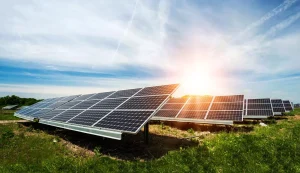
 The Canterbury Plains, long known for their golden wheat fields and sprawling sheep stations, are undergoing a quiet revolution. Genesis Energy’s Lauriston and Leeston solar farms-where thousands of photovoltaic panels rise above grazing sheep-represent a pioneering model of “agrivoltaics”: the coexistence of renewable energy generation and agriculture. This 4,000-word investigation explores how New Zealand is balancing its climate ambitions with the need to protect its agricultural heritage, offering lessons for the global energy transition.
Chapter 1: Genesis Energy’s Canterbury Solar Projects
Lauriston Solar Farm: A National First
- Location: 60 km southwest of Christchurch on former dairy pasture.
- Scale: 93 hectares, 90,000 panels, 63 MW DC capacity.
- Livestock Integration: 800 Romney ewes graze beneath panels, managed by local farmers.
- Energy Output: 100 GWh annually, powering 13,000 homes.
Leeston Solar Farm: Scaling the Model
- Site: 111 hectares near Ellesmere’s fertile cropping lands.
- Design: Elevated panels (2.5m clearance) to accommodate larger livestock breeds.
- Community Role: Hosting educational programs for Lincoln University agriculture students.
Strategic Vision
Genesis plans to replicate this template across its 500 MW solar pipeline, including:
- Foxton (Manawatū): 200 MW project on former potato farms.
- Edgecumbe (Bay of Plenty): 127 MW farm integrating kiwifruit orchards.
Chapter 2: The Science of Agrivoltaics
Microclimate Benefits
- Shade Effect: Reduces heat stress in livestock, lowering water consumption by 15-20%.
- Pasture Growth: Partial shading extends growing seasons, with trials showing 10-15% yield boosts for shade-tolerant grasses.
- Biodiversity: Panel rows create windbreaks, attracting pollinators and native skinks.
Technological Innovations
- Bifacial Panels: Capture reflected light from white clover pastures, increasing efficiency by 5-8%.
- Dynamic Mounts: Prototype solar arrays that tilt to optimize light for both crops and panels.
- IoT Integration: Soil moisture sensors and automated grazing systems linked to energy production data.
Chapter 3: Economic Impacts on Rural Communities
Farmer Case Study: The Harris Family
- Location: Lauriston, 5th-generation sheep farmers.
- Lease Terms: $1,200/hectare/year, doubling pre-solar grazing income.
- Diversification: Added revenue from hosting educational tours and selling “Solar Grazed Lamb” branded meat.
Employment Trends
- Construction: 50+ temporary jobs per 100 MW project, prioritizing local contractors.
- Operations: 3-5 permanent roles per site, including ecologists and agritech specialists.
- Ancillary Industries: Growth in solar maintenance, drone monitoring, and veterinary services.
Chapter 4: Policy and Regulation
National Framework
- Fast Track Approvals Act: Reduced consenting time from 3 years to 8 months for solar projects under 200 MW.
- National Policy Statement for Renewable Electricity: Mandates regional councils to identify “renewable energy zones” by 2026.
Local Governance
- Ashburton District Council: Offers 25% rates rebates for agrivoltaic projects.
- Canterbury Water Management: New guidelines for solar farm runoff and irrigation compatibility.
Chapter 5: Environmental Considerations
Land Use Efficiency
- Dual Productivity: 1 hectare produces both 1.1 MWh/day of electricity and 8 kg/day of lamb.
- Carbon Accounting: Offsets 50,000 tons of CO2 annually per 100 MW farm-equivalent to removing 11,000 cars.
Wildlife Impact
- Birdlife: Black-backed gulls nest under panels, while harriers hunt rodents attracted to cable trenches.
- Soil Health: Lincoln University studies show improved organic matter under shaded pastures.
Chapter 6: Challenges and Controversies
Land Competition
- Food vs. Fuel Debate: Critics argue prime agricultural land should prioritize food production.
- Solutions: Targeting marginal lands (e.g., erosion-prone hills) and retired dairy conversions.
Aesthetic Concerns
- Landscape Impact: Opposition from residents near Leeston who call panels “industrial blight.”
- Mitigation: Buffer zones with native plantings and community consultation frameworks.
Chapter 7: Global Context and Lessons
International Models
- Germany: 4,000 agrivoltaic sites combining berries and solar.
- Japan: Solar-sharing farms producing rice under elevated arrays.
- United States: Grazing contracts for wildfire prevention under California solar farms.
New Zealand’s Unique Value
- Scale: Projects like Lauriston demonstrate commercial viability without subsidies.
- Innovation: World-first trials in sheep behavior analytics using AI-powered collar sensors.
Chapter 8: The Road Ahead
Technological Frontiers
- Vertical Solar: Testing east-west facing panels for morning/afternoon grazing shade.
- Hydrogen Integration: Using excess solar to produce green hydrogen for fertilizer.
Policy Recommendations
- Integrated Planning: Map agricultural and energy needs at catchment level.
- Māori Land Partnerships: Co-design models for whenua Māori solar developments.
- Research Funding: $20M national agrivoltaics research center proposed for Lincoln University.
Conclusion: A Template for Sustainable Prosperity
Genesis Energy’s Canterbury solar farms exemplify how climate action can coexist with-and even enhance-agricultural productivity. As New Zealand aims for 100% renewable electricity by 2035, agrivoltaics offer a path to energy security, rural revitalization, and global leadership in sustainable land use. The sheep grazing beneath Lauriston’s panels are more than livestock-they’re symbols of a resilient, innovative future.
Appendices
- Glossary: Agrivoltaics, bifacial panels, renewable energy zones.
- Timeline: Genesis Energy’s solar rollout (2023-2030).
- Case Studies: Comparative analysis of global agrivoltaic projects.