



 Tracey Wilson
 By NZB News Investigations Team
Introduction: A Routine Shift Turns Into a Major Drug Bust
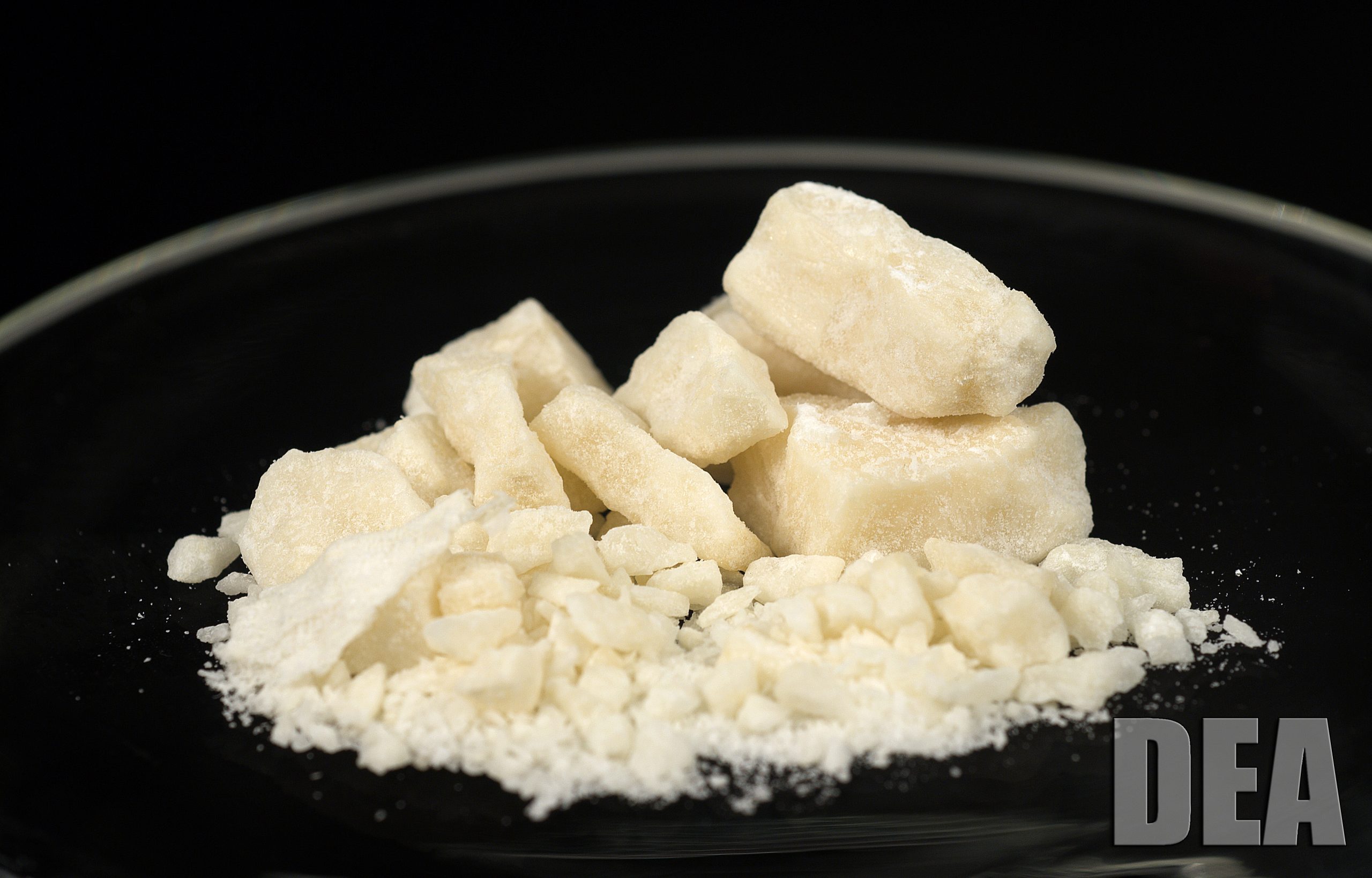
On an ordinary Wednesday afternoon in late April 2025, a worker at a business on Carbine Road in Auckland’s Mt Wellington suburb was unloading a shipping container of building materials. What began as a routine task quickly escalated into a scene straight from a crime thriller: five duffle bags, stacked and heavy, were discovered among the cargo. Inside, more than 75 tightly cellophane-wrapped bricks of cocaine-valued at nearly $30 million-were revealed, triggering one of the largest drug seizures in recent New Zealand history.
The discovery has sent shockwaves through Auckland’s business and law enforcement communities, raising urgent questions about how such a massive quantity of illicit drugs made it into the country, who was behind the operation, and what it means for the fight against organised crime and drug harm in Aotearoa.
This article explores the full context of the Mt Wellington cocaine bust: the international drug routes, the mechanics of smuggling, the impact on communities, and the ongoing investigation that could have far-reaching consequences for New Zealand’s security and social wellbeing.
The Discovery: From Shipping Container to Crime Scene
The Find
The cocaine was found by a worker at a Mt Wellington business while unloading a container filled with building materials. The five duffle bags-carefully stacked and concealed-were packed with more than 75 bricks of cocaine, each wrapped in cellophane for protection and concealment. The worker, realising the suspicious nature of the bags, alerted authorities immediately.
Police and Customs officers responded swiftly, securing the scene and beginning a detailed forensic examination of the container and its contents. The location-Carbine Road, a busy industrial area-was quickly cordoned off as investigators searched for clues.
The Initial Response
Detective Senior Sergeant Anthony Darvill of Auckland City CIB described the find as “a significant dent in the availability of this illegal drug in the district and the harm caused by it.” Customs acting investigations manager Rachael Manning echoed the sentiment, emphasising the joint efforts of police and Customs to prevent such drugs from reaching New Zealand communities.
With the bricks of cocaine safely seized and removed, attention turned to the container’s origin, route, and destination-a complex web that would soon reveal the global nature of the operation.
The International Trail: How Did the Drugs Get Here?
The Container’s Journey
Investigators quickly established that the shipping container had transited through Central America in late March 2025 before arriving in Auckland. Central America is a well-known hub in the global cocaine trade, serving as a transit point for South American drug cartels moving product to markets in North America, Europe, and increasingly, the Asia-Pacific.
The precise details of the container’s journey-its ports of call, shipping companies involved, and any tampering or suspicious activity along the way-are now the focus of a joint police and Customs investigation. Authorities are working to reconstruct the container’s movements, identify any points of vulnerability, and determine whether New Zealand was the intended final destination or a stop on a longer route.
Smuggling Methods and Organised Crime
The use of shipping containers to smuggle drugs is a well-established tactic among transnational criminal organisations. Containers are often loaded with legitimate cargo-such as building materials in this case-with illicit goods hidden deep within. Smugglers may exploit gaps in port security, bribe or coerce workers, or use sophisticated tracking and communication systems to coordinate pickups.
The scale of the Mt Wellington bust-five duffle bags and over 75 kilograms of cocaine-suggests the involvement of a well-resourced syndicate with international reach. Investigators are now probing links to known organised crime groups operating in the Pacific and beyond, as well as any local networks that may have facilitated the operation.
The Investigation: Police and Customs Join Forces
Forensic Analysis and Intelligence Gathering
With the drugs seized, forensic teams are analysing the packaging, duffle bags, and any fingerprints or DNA evidence left behind. Investigators are also reviewing shipping records, surveillance footage, and communication logs from the port and the Mt Wellington business.
Customs and police are collaborating closely, pooling intelligence and resources to trace the container’s journey and identify those responsible. International partners-including law enforcement agencies in Central America and other transit countries-are being consulted as part of a coordinated effort to dismantle the trafficking network.
No Arrests Yet, But the Net Tightens
As of publication, no arrests have been made. Police have stated that the investigation is ongoing and that further details cannot be released at this stage. However, authorities are confident that the seizure will disrupt the supply of cocaine in Auckland and put pressure on those behind the operation.
Detective Darvill has urged anyone with information about the shipment or those involved in drug supply to contact police, emphasising the importance of community cooperation in tackling organised crime.
The Bigger Picture: Cocaine in New Zealand
The Rise of Cocaine Use
While methamphetamine (“P”) has long dominated headlines as New Zealand’s drug of greatest concern, cocaine use has been quietly rising in recent years, particularly among affluent urban users. The drug is often associated with parties, nightlife, and the business elite, but its reach is expanding.
Cocaine is a highly addictive stimulant with significant social and health harms. Its use can lead to addiction, mental health issues, and involvement in criminal activity. The high street value of cocaine in New Zealand-among the highest in the world-makes it an attractive target for international traffickers.
The Harm to Communities
Detective Darvill and Customs’ Rachael Manning have both highlighted the harm caused by cocaine in New Zealand communities. Beyond the immediate risks of addiction and overdose, the drug trade fuels organised crime, money laundering, and violence. The profits from cocaine sales are often used to fund other criminal enterprises, creating a cycle of harm that is difficult to break.
The Mt Wellington bust is therefore not just a law enforcement victory, but a blow against the broader ecosystem of crime and social harm that accompanies the drug trade.
New Zealand’s Response: Law Enforcement, Customs, and Community
Strengthening Border Security
The Mt Wellington seizure underscores the importance of robust border security and intelligence-led policing. New Zealand Customs has invested heavily in scanning technology, risk profiling, and international cooperation to detect and intercept illicit shipments. The agency’s partnership with police is critical in responding to the evolving tactics of organised crime.
Customs acting investigations manager Rachael Manning has reaffirmed the agency’s commitment to working with police to prevent drugs from reaching the community, providing intelligence and investigative support to identify and hold those responsible to account.
The Role of the Community
Authorities have called on the public to remain vigilant and to report any suspicious activity, particularly in relation to shipping, logistics, and the movement of goods. Community cooperation is seen as a vital line of defence against organised crime, complementing the efforts of law enforcement.
The Global Context: Cocaine Trafficking in the Asia-Pacific
Shifting Trade Routes
The Asia-Pacific region has become an increasingly important destination for South American cocaine producers. As enforcement has tightened in North America and Europe, traffickers have sought new markets with high demand and high prices. Australia and New Zealand, with their relative affluence and geographic isolation, have become attractive targets.
Recent years have seen a series of large cocaine seizures in both countries, often involving sophisticated smuggling methods and international crime syndicates. The Mt Wellington bust fits this pattern, highlighting the need for ongoing vigilance and international cooperation.
International Cooperation
New Zealand is part of a global network of law enforcement agencies working to combat drug trafficking. Information sharing, joint operations, and coordinated investigations are essential in tracing the origins of shipments, identifying syndicates, and disrupting supply chains.
The Mt Wellington case is likely to become a test of these international partnerships, as investigators seek to follow the trail back through Central America and beyond.
The Human Impact: Workers, Businesses, and Neighbourhoods
The Worker’s Perspective
For the worker who discovered the duffle bags, the day’s events were anything but ordinary. Such finds can be traumatic, raising concerns about personal safety and the potential for retribution from criminal groups. Support services are available for workers who find themselves caught up in criminal investigations, and police have praised the individual’s prompt and responsible actions.
Impact on Local Businesses
Businesses involved in shipping, logistics, and warehousing face heightened scrutiny following such incidents. While most are entirely legitimate, the risk of being used as unwitting conduits for smuggling is a constant concern. Companies are encouraged to strengthen their security protocols, train staff to recognise suspicious activity, and cooperate fully with authorities.
Community Reactions
The discovery of a $30 million cocaine shipment in Mt Wellington has shocked local residents and business owners. Many express relief that the drugs were intercepted before reaching the streets, but also concern about the presence of organised crime in their midst. Community leaders are calling for increased police presence and ongoing engagement to ensure neighbourhood safety.
Discussion: What Does This Bust Mean for New Zealand?
A Blow to Organised Crime
Law enforcement officials have described the Mt Wellington seizure as a significant blow to organised crime networks operating in New Zealand. The loss of such a large quantity of product-worth nearly $30 million-represents a major financial setback for those involved, and may disrupt supply chains for months to come.
Deterrence and Displacement
While major seizures can deter traffickers and disrupt operations, experts caution that organised crime is adaptable. Syndicates may change routes, methods, or even shift to other illicit goods. Ongoing investment in intelligence, technology, and international cooperation is essential to stay ahead of evolving threats.
The Need for Demand Reduction
Ultimately, the fight against cocaine trafficking is not just about intercepting shipments, but reducing demand. Public health campaigns, addiction treatment, and education are critical components of a comprehensive response. Addressing the social and economic factors that drive drug use-including inequality, mental health, and social isolation-will be key to long-term success.
The Investigation Continues: What Comes Next?
Tracing the Syndicate
The immediate priority for police and Customs is to identify and apprehend those responsible for the shipment. This involves tracing the container’s journey, analysing forensic evidence, and working with international partners to map the syndicate’s operations.
Authorities are also investigating whether the Mt Wellington business or its employees had any knowledge of or involvement in the smuggling operation. At this stage, there is no evidence to suggest complicity, but all possibilities are being explored.
Preventing Future Incidents
In the wake of the bust, law enforcement agencies are reviewing protocols, increasing inspections, and enhancing risk profiling for incoming shipments. The case is likely to inform future policy and operational decisions, both in New Zealand and among its international partners.
Summary
The discovery of five duffle bags stacked with $30 million worth of cocaine in an Auckland shipping container has exposed the global reach of organised crime and the vulnerabilities in New Zealand’s supply chains. The Mt Wellington bust is a testament to the vigilance of frontline workers and the effectiveness of joint police and Customs operations, but it also highlights the ongoing threat posed by international drug syndicates.
As the investigation continues, authorities are focused on tracing the origins of the shipment, identifying those responsible, and preventing future incidents. The case underscores the need for robust border security, community cooperation, and a comprehensive approach to reducing drug harm.
For New Zealand, the bust is both a warning and an opportunity: a reminder of the challenges posed by global crime, and a call to action for all sectors of society to work together in building a safer, healthier, and more resilient country.
For NZB News, this is the Investigations Team, committed to bringing you in-depth, balanced coverage of the issues that matter most.