



 Eleanor Thompson
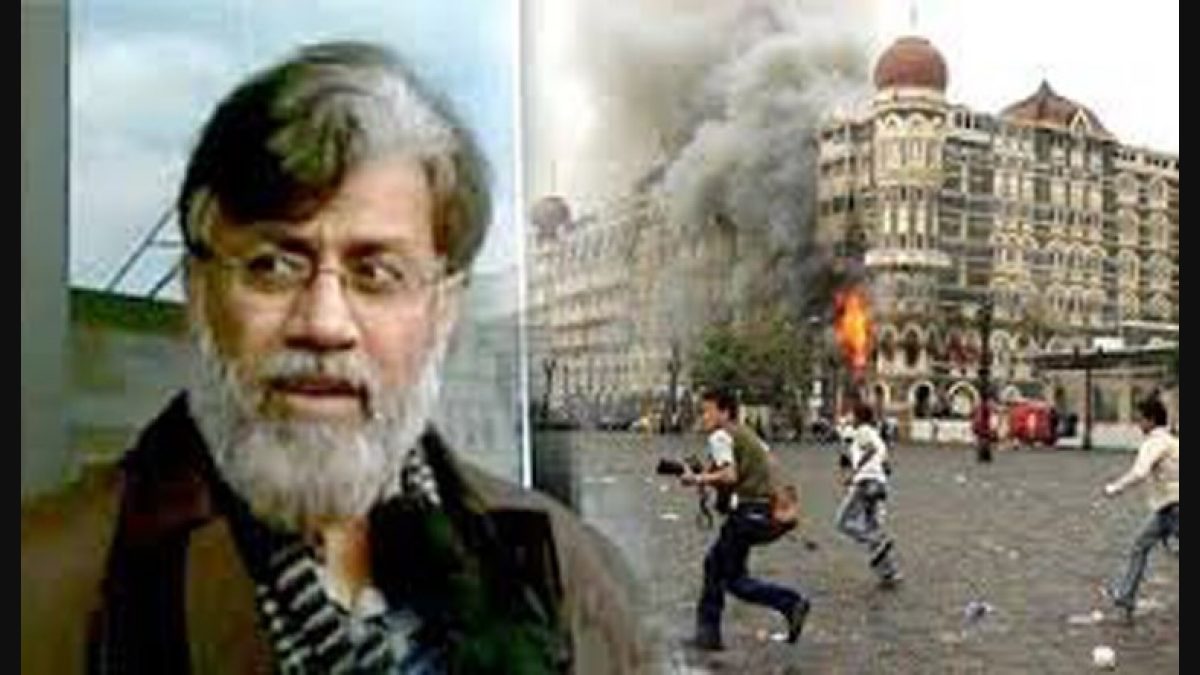
 NEW DELHI – The extradition of Tahawwur Hussain Rana, a Pakistani-Canadian businessman accused of abetting the 2008 Mumbai terror attacks, hangs in limbo as of March 7, 2025, with his latest plea to the U.S. Supreme Court stalling a process greenlit by President Donald Trump in February. Wanted by India for 17 years to face trial for his role in the 26/11 carnage that killed 166 people, Rana’s case—a tangle of legal wrangling, diplomatic muscle, and geopolitical stakes—offers NZ Bharat readers a lens into justice delayed, terror’s long shadow, and Bharat’s relentless pursuit. Here’s the full story, from history to the brink of resolution.
Background: The Mumbai Connection
Born January 12, 1961, in Chichawatni, Punjab, Pakistan, Rana’s journey to infamy began at Cadet College Hasan Abdal, where he befriended David Coleman Headley (born Daood Gilani), a U.S.-Pakistani later convicted as the 26/11 mastermind. A physician by training, Rana served as a captain in the Pakistan Army Medical Corps before immigrating to Canada in 1997, gaining citizenship in 2001. By 2006, he ran First World Immigration Services in Chicago—a front, India alleges, for terror.
The Mumbai attacks—November 26-29, 2008—saw 10 Lashkar-e-Taiba (LeT) gunmen storm iconic sites like the Taj Mahal Palace Hotel, killing 166, including six Americans, and injuring over 300. Headley, arrested by the FBI in October 2009, confessed to scouting targets; Rana, nabbed the same month at O’Hare Airport, allegedly provided cover via fake visas and Mumbai visits—staying at the Taj in 2006 and 2008, per NIA chargesheets. Emails and Headley’s 2016 Mumbai court testimony peg Rana as a knowing accomplice, aware of LeT’s plans since 2002, per The Federal.
History: A Legal Odyssey
Rana’s U.S. trial in 2011 acquitted him of direct 26/11 involvement but convicted him of aiding LeT and plotting a Danish newspaper attack (Jyllands-Posten), netting a 14-year sentence—served by 2020 with compassionate release for COVID-19 (Hindustan Times, January 25, 2025). India’s extradition push began June 10, 2020, with a provisional arrest request, alleging conspiracy, murder, and waging war under the Indian Penal Code (The Hindu, May 20, 2023). A U.S. district court approved it in May 2023, upheld by the Ninth Circuit in August 2024—ruling his U.S. acquittal didn’t bar India’s distinct charges (Business Standard, August 17, 2024).
Rana’s appeals climbed to the U.S. Supreme Court, which rejected his writ of certiorari on January 21, 2025—days after Trump’s inauguration (Times of India, January 25). Trump, meeting PM Narendra Modi on February 12, announced Rana’s extradition, calling him a “very violent man” and hinting at more to come (Economic Times, February 14). Foreign Secretary Vikram Misri flagged logistics as the last hurdle (India Today, March 6).
Update: A Last-Ditch Plea
As of 10:00 AM NZDT today, Rana’s extradition teeters. On February 28, he filed an emergency stay with the U.S. Supreme Court, claiming torture awaits in India as a Pakistani-origin Muslim—citing medical woes (heart attacks, Parkinson’s, kidney disease) and the stayed extradition of arms dealer Sanjay Bhandari over torture fears (The Economic Times, March 6). The Court took it on record March 5; no hearing’s set, per posts on X. India’s MEA insists it’s procedural—“a few final steps,” Misri told ANI (March 6)—but delays irk Delhi, with NIA prepped to jail him in Maharashtra (The Federal, February 18).
Comprehensive Analysis: Stakes and Strains
Why the Delay? Rana’s plea exploits U.S. law and the UN Convention Against Torture, arguing extradition risks his life—a tactic echoing Bhandari’s but clashing with India’s assurances of fair trials (Outlook India, March 7). The U.S. agreed to pause only if he appealed by February 28; now, the Supreme Court’s silence tests Trump’s resolve—his February 19 district court win and Ninth Circuit nod (February 21) hit a wall (India Today, March 6).
Historical Echoes: India’s extradition woes aren’t new. Headley’s 2010 plea deal—35 years, no extradition—stymied Delhi; 65 of 178 pending requests linger with the U.S. (Lok Sabha, December 2024, per Business Standard, February 15). Globally, extraditions falter—Pakistan’s Hafiz Saeed (26/11 architect) remains free despite India’s pleas (Hindustan Times, August 17, 2024). For world leaders, breaches like Jaishankar’s London scare (NZB News, today) or Canada’s Nijjar standoff (CBC, 2023) show security’s fragility.
Why It’s News: Trump’s approval, post-Modi summit, signals U.S.-India counter-terror alignment—$77.5 billion in FY24 trade (GTRI) and joint statements against LeT, Al-Qaeda (Times of India, February 15). Rana’s plea, amid Sensex’s 740-point leap (NZB News, today) and India’s iPhone 16 boom (NZB News), tests that bond as Cyclone Alfred looms (NZB News).
Bharat’s Reaction: Outrage simmers—MEA’s Randhir Jaiswal slammed Rana’s “baseless” torture claim (WION, March 6); social media rages: “Justice for 26/11 delayed again.” PM Modi hailed Trump’s move as closure for 166 families (Economic Times, February 14).
Global Response: The U.S. stands firm—Solicitor General Elizabeth Prelogar backed extradition (Hindustan Times, January 25); the UK, post-Jaishankar’s breach, stays quiet (The Hindu, March 7). Canada’s hush, post-Nijjar, hints at Khalistani friction (Reuters, March 6).
What’s Next? If the Supreme Court denies Rana’s stay—likely, given January’s ruling—he’ll land in Mumbai by April, facing trial in a special NIA court, per News18. India’s diplomatic push intensifies—65 U.S.-based fugitives remain (Business Standard). For NZ, a stable Bharat bolsters $1.8 billion trade (Stats NZ 2024); for Bharat, it’s justice—and a warning to terror’s diaspora.
Excerpt
“Rana’s extradition teeters—a 17-year chase from Mumbai’s ashes to U.S. courts. History’s littered with delays, but Trump’s nod and Bharat’s grit near the finish line. NZ Bharat sees a terror tale twist—justice dangles, defiance digs in.”